


 Secure and Reliable
  High quality
  Worldwide shipping
  Bonuses and Discounts
  Money back Guarantee
 - Bestsellers
- Alcoholism
- COVID-19
- Allergy
- Anti Fungal
- Alzheimers
- Anti Viral
- Anti-Depressants
- Anti-Inflammatory
- Antibacterial
- Antiparasitic
- Antibiotics
- Arthritis
- Asthma
- Birth Control
- Blood Pressure
- Cancer
- Cardiovascular
- Cholesterol
- Diabetes
- Diuretics
- Erectile Dysfunction
- Eye Drop
- Gastro Health
- General Health
- Hair Loss
- Hepatitis C Virus (HCV)
- HIV
- Hormones
- Men's ED Packs
- Men's Health
- Mental Illness
- Motion Sickness
- Muscle Relaxant
- Pain Relief
- Parkinson’s Disease
- Veterinary Medicines
- Quit Smoking
- Vitamins
- Skin Care
- Sleeping Aids
- Weight Loss
- Women's Health
Generic Zepdon ( Isentress )
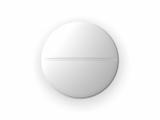
Zepdon (raltegravir, also known by the brand name Isentress) is an antiretroviral medication belonging to the integrase strand transfer inhibitor (INSTI) class. It is indicated, in combination with other antiretroviral drugs, for the treatment of human immunodeficiency virus type 1 (HIV‑1) infection in adults and children weighing at least 2 kg. Raltegravir blocks the HIV integrase enzyme, preventing the insertion of viral DNA into the host genome and thereby halting viral replication. It does not cure HIV, but when used as part of a complete suppressive regimen, it reduces the viral load to undetectable levels and preserves immune function.
Usual adult dose: The standard dose is 400 mg taken orally twice daily, with or without food. In patients who are virologically suppressed on a twice‑daily raltegravir regimen, a once‑daily regimen of 1200 mg (two 600 mg tablets) may be considered under the guidance of a healthcare professional, but the 400 mg twice‑daily schedule remains the typical starting dose. The tablets should be swallowed whole; they may be chewed or crushed if needed for administration via a nasogastric tube, as bioavailability is not altered. No dose adjustment is required in renal impairment; in hepatic impairment, no adjustment is needed for mild‑to‑moderate dysfunction, but use in severe hepatic impairment is not recommended. If a dose is missed, the patient should take it as soon as remembered; if it is within 4 hours of the next dose, the missed dose should be skipped. Two doses must never be taken at the same time. Raltegravir must always be used together with other antiretroviral agents; monotherapy is not appropriate.
Dosage form: Film‑coated tablets: 400 mg (pink, oval‑shaped, debossed with “227” on one side). Also available as 600 mg tablets, chewable tablets, and granules for oral suspension for paediatric use. The 400 mg tablet is the cornerstone of the twice‑daily regimen.
Onset of action: Antiviral activity is rapid; significant reductions in plasma HIV‑1 RNA are observed within the first 2 weeks of therapy when combined with an optimized background regimen. Undetectable viral loads (less than 50 copies/mL) are typically achieved within 16 to 24 weeks of continuous, adherent treatment.
Duration of action: Twice‑daily dosing maintains intracellular concentrations above the inhibitory threshold for the full 12‑hour interval. The elimination half‑life of raltegravir is approximately 9 hours, with a shorter terminal phase; virologic control is sustained only with strict adherence to the prescribed schedule.
Alcohol recommendation: No direct pharmacokinetic interaction between raltegravir and alcohol has been identified. However, excessive alcohol consumption may worsen hepatic function, especially in patients with co‑existing hepatitis B or C, and can impair adherence to antiretroviral therapy. Moderation is advisable, and patients with liver disease should consult their healthcare professional.
Most common side effects: Insomnia, headache, nausea, diarrhea, fatigue, and dizziness. Creatine kinase elevations and myalgia are occasionally reported. Serious adverse events include severe hypersensitivity reactions, including Stevens‑Johnson syndrome, which require immediate discontinuation. Hepatic transaminase elevations, sometimes accompanied by bilirubin increases, can occur; liver function should be monitored at baseline and periodically thereafter. As with all effective antiretroviral therapy, immune reconstitution inflammatory syndrome (IRIS) may develop, manifesting as an exaggerated inflammatory response to opportunistic infections. Raltegravir is not a cure for HIV; transmission of the virus to others through sexual contact or blood exposure remains possible despite a suppressed viral load. Patients must be counselled on the critical importance of adherence to avoid drug resistance. In Canada, raltegravir is available only by prescription and must be initiated by a healthcare professional experienced in HIV management.
Would you like to try Zepdon (raltegravir, also known by the brand name Isentress) without a prescription?

+ Package delivery insurance
+ Next orders 10% discount

+ Package delivery insurance
+ Next orders 10% discount
Buy Generic Zepdon (Isentress) without prescription at Canadian Pharmacy
At our pharmacy, you can buy Zepdon without a prescription, with discreet and anonymous packaging delivered within 5-14 days across Canada.
What is Zepdon?
Zepdon is an antiretroviral medication that keeps HIV under control. The active ingredient is raltegravir, and the brand name Isentress is more widely recognized. Raltegravir belongs to a class of drugs called integrase strand transfer inhibitors (INSTIs). HIV hijacks a cell's machinery to make copies of itself. One crucial step in that process is integration, where the virus splices its own DNA into the DNA of your immune cells. Raltegravir blocks the enzyme that does that splicing, called integrase. Without integration, the virus can't complete its life cycle. It produces defective particles that can't infect new cells. The result is that the amount of HIV in your blood, your viral load, drops sharply, often to undetectable levels, and your CD4 immune cells can recover.
Zepdon is not a cure. It's a daily pill that holds the virus in check. It's used in combination with other antiretroviral drugs, never alone, because HIV mutates quickly and would become resistant to a single drug. Raltegravir was the first integrase inhibitor approved, and it changed the landscape of HIV treatment because it works fast, is well tolerated, and has a low risk of interacting with other medications. The standard dose is one 400 mg tablet taken twice daily, morning and evening. For people starting treatment for the first time and who have a low viral load, a once-daily regimen of two 400 mg tablets (800 mg total) can be used in combination with other once-daily drugs. Your HIV specialist will decide which schedule fits your life and your virus.
Mechanism and Pharmacology
Raltegravir binds to the active site of the HIV-1 integrase enzyme. Integrase is responsible for two sequential reactions: it clips the ends of the viral DNA, and then it inserts that DNA into the host cell's chromosome. Raltegravir blocks the second step, strand transfer. It chelates the magnesium ions in the enzyme's catalytic core, preventing the enzyme from joining the viral DNA to the cellular DNA. The viral DNA is left floating in the nucleus, unable to produce new viruses. This mechanism is completely different from those of reverse transcriptase inhibitors and protease inhibitors, so raltegravir is effective against HIV strains that have become resistant to those older classes.
Raltegravir is absorbed well after oral administration, and food doesn't significantly change the overall amount that gets into your bloodstream, though a high-fat meal can slow absorption slightly. Peak plasma levels are reached in about 3 hours. The half-life is about 9 hours, which is why twice-daily dosing is standard for the 400 mg tablet. The drug is metabolized mainly by glucuronidation, a process in the liver that tags it for excretion. It doesn't heavily rely on cytochrome P450 enzymes, which means it has far fewer drug interactions than protease inhibitors. It's eliminated primarily in the feces, with a smaller amount in urine. In patients with moderate liver impairment, drug levels are higher, but no dose adjustment is usually needed. For severe liver or kidney impairment, caution is warranted.
How to Use Zepdon
The standard dosing is one 400 mg tablet twice daily, approximately every 12 hours. Swallow the tablet whole with water. You can take it with or without food. Consistency is vital. Missing doses allows the virus to replicate and develop resistance. If you forget a dose and it's within a few hours of the usual time, take it as soon as you remember. If it's nearly time for your next dose, skip the missed one and continue on your regular schedule. Never double up. If you miss doses frequently, talk to your doctor. A once-daily regimen of 800 mg (two 400 mg tablets taken together) may be an option if you are starting treatment for the first time and your virus is not already resistant to integrase inhibitors. This once-daily dosing is only used in combination with other once-daily antiretrovirals.
Zepdon must be part of a complete antiretroviral regimen. Your doctor will prescribe it together with other drugs, often a nucleoside reverse transcriptase inhibitor backbone like tenofovir and emtricitabine. Never take Zepdon alone. Raltegravir comes in several formulations: the standard 400 mg tablet, a 600 mg tablet used in a different once-daily regimen, and a chewable tablet for children. The 400 mg tablet is the workhorse of twice-daily regimens. If you are taking an aluminum- or magnesium-containing antacid, separate your doses. Take Zepdon at least 2 hours before or 4 hours after the antacid, because these minerals can bind raltegravir and reduce its absorption.
Side Effects of Zepdon
Raltegravir is among the best-tolerated antiretrovirals. The most common side effects are mild: headache, nausea, diarrhea, and trouble sleeping. These often appear in the first few weeks and then settle as the body adjusts. Some people feel a bit more tired than usual or have mild muscle aches. Raltegravir is weight-neutral for most people, which is an advantage over some other HIV drugs that cause weight gain and metabolic changes.
A more concerning but rare side effect is a severe hypersensitivity reaction. This can include a rash, fever, muscle and joint pain, and sometimes organ involvement like liver inflammation or kidney failure. If you develop a spreading rash with systemic symptoms, stop the drug and seek medical attention immediately. Muscle pain and weakness should also be taken seriously. In very rare cases, raltegravir has been associated with rhabdomyolysis, the breakdown of muscle tissue. If your muscles feel profoundly weak, tender, or you notice dark urine, go to the emergency room. Liver enzyme elevations are usually mild and asymptomatic, but your doctor will monitor your liver function regularly. In patients with hepatitis B or C co-infection, there may be a higher risk of liver inflammation when starting or stopping antiretrovirals.
High-Risk Groups (Elderly, Pregnancy)
Pregnancy. Raltegravir is one of the preferred integrase inhibitors during pregnancy because it rapidly lowers viral load and has a good safety record. The Antiretroviral Pregnancy Registry has not shown an increased risk of birth defects. It is commonly used in pregnant women with HIV, especially those who are diagnosed late in pregnancy and need to suppress their virus quickly to prevent transmission to the baby. If you are pregnant or planning to be, your HIV specialist will include raltegravir as part of a regimen that's safe for both you and your baby.
Breastfeeding is not recommended for women with HIV in Canada, regardless of the medication, because the virus can be transmitted through breast milk. Formula feeding is the standard recommendation.
Elderly patients can use the standard dose without adjustment. Age alone does not change the drug's effectiveness, but older adults may have reduced kidney or liver function, so routine monitoring is sensible. Children can take raltegravir; a chewable tablet and a weight-based dosing schedule are available. The 400 mg tablet is for adults and children over 25 kg who can swallow pills. People with a history of muscle disorders or who are taking other drugs that can cause muscle damage, such as statins, should be monitored for symptoms of myopathy. If you have hepatitis B or C, your liver enzymes will be checked more frequently when starting treatment, as the recovering immune system can sometimes attack the infected liver.
Interaction With Activities (Driving, Alcohol)
Raltegravir can cause dizziness or insomnia in some people. If you feel off-balance or unusually tired, don't drive. Most people have no cognitive side effects, but it's important to know how the drug affects you personally before operating machinery. Alcohol has no direct interaction with raltegravir, and moderate drinking is generally acceptable. Heavy alcohol use, however, can damage the liver and pancreas, and people with HIV are already at higher risk for these complications. If you drink, do so in moderation and talk honestly with your doctor about your habits.
Drug Interactions
Raltegravir has one of the cleanest interaction profiles of all HIV drugs. Because it is metabolized by glucuronidation, not by cytochrome P450 enzymes, it avoids the complex interactions that complicate protease inhibitor therapy. The main interaction to watch for is with rifampin, the antibiotic used to treat tuberculosis. Rifampin induces the enzymes that break down raltegravir, lowering its blood levels. If you need to take rifampin, your doctor will double the raltegravir dose to 800 mg twice daily to compensate. Other TB drugs like rifabutin do not have this effect and are preferred.
Aluminum-, magnesium-, and calcium-containing antacids can bind raltegravir and reduce its absorption. Separate them by at least 2 hours before or 4 hours after taking raltegravir. Proton pump inhibitors like omeprazole and H2 blockers like famotidine can increase raltegravir levels, but this is not clinically significant and no dose adjustment is needed. Iron and zinc supplements can also interfere with absorption; separate them by the same 2-hour window. Raltegravir does not significantly interact with methadone, oral contraceptives, or most antidepressants, making it a versatile choice for people on multiple medications.
Alternative Options
Raltegravir was the first integrase inhibitor. Newer drugs in the same class include dolutegravir (Tivicay) and bictegravir (part of the combination pill Biktarvy). Dolutegravir is taken once daily and has an even higher barrier to resistance. Bictegravir is co-formulated with two other drugs in a single daily pill. Elvitegravir is another integrase inhibitor, but it must be boosted with cobicistat, which adds drug interactions. The choice among integrase inhibitors depends on your virus's resistance profile, your kidney function, and your lifestyle. Raltegravir's twice-daily dosing with the 400 mg tablet can be a disadvantage for some, but its low drug interaction profile and extensive safety record keep it relevant. For people who need to avoid the weight gain or neuropsychiatric effects sometimes seen with dolutegravir, raltegravir is an excellent option.
INN, Brand Names, and Classification in Canada
INN (International Nonproprietary Name): Raltegravir potassium
Available brand names in Canada: Isentress, and generic raltegravir. Zepdon is an international brand name for raltegravir, available through our pharmacy.
ATC code: J05AJ01
Forms and strengths: Tablets 400 mg; also available as 600 mg tablets, 100 mg chewable tablets, and 25 mg chewable tablets.
Manufacturers: Merck Canada Inc. (Isentress), and diverse generic manufacturers. Zepdon is manufactured by a generic pharmaceutical company.
Registration status in Canada: Registered
Classification: Prescription (Rx)
Frequently Asked Questions
Can Zepdon cure HIV?
No. There is currently no cure for HIV. Raltegravir keeps the virus under control, often to undetectable levels, but it does not eliminate it from the body. You need to take it every day for life to maintain your health and prevent transmission to others.
How fast does it lower viral load?
Raltegravir acts very quickly. Viral load can drop by 99% or more within the first few weeks of starting treatment. Many people reach an undetectable viral load within 3 to 6 months when combined with other active drugs.
Can I take it once a day?
A once-daily dose of 800 mg (two 400 mg tablets) is approved for people starting HIV treatment for the first time, as long as their virus is not already resistant. If you have been on HIV treatment before or have unknown resistance, twice-daily dosing is standard. Never change your dosing schedule without talking to your doctor.
What if I miss a dose?
Take it as soon as you remember. If it's close to the time for your next dose, skip the missed one. Don't take two doses at once. Missing doses regularly can lead to drug resistance, so if you're struggling with adherence, talk to your healthcare team for support.
Does Zepdon interact with my cholesterol medication?
Raltegravir has no significant interactions with statins. This is one of its advantages over protease inhibitors, which can dangerously raise statin levels. You can take your cholesterol medication safely alongside raltegravir, but your doctor will always review your full list of medicines.
Delivery Information Across Canada
We ship Zepdon and generic raltegravir to all provinces and territories. Delivery times vary depending on how remote your location is:
- Ontario (Toronto, Ottawa, Mississauga): 5 to 7 days
- Quebec (Montreal, Quebec City, Laval): 5 to 7 days
- British Columbia (Vancouver, Victoria, Burnaby): 5 to 9 days
- Alberta (Calgary, Edmonton, Red Deer): 5 to 9 days
- Manitoba (Winnipeg, Brandon): 5 to 9 days
- Saskatchewan (Saskatoon, Regina): 5 to 9 days
- Nova Scotia (Halifax, Sydney): 5 to 9 days
- New Brunswick (Moncton, Fredericton): 5 to 9 days
- Newfoundland and Labrador (St. John's, Corner Brook): 7 to 14 days
- Prince Edward Island (Charlottetown): 7 to 14 days
- Yukon, Northwest Territories, Nunavut: 7 to 14 days
All shipments are packed discreetly with no branding or indication of contents on the outside.
How to buy Generic Zepdon (Isentress) no prescription from Canadian Pharmacy.
| Shipping method | Delivery time | Price | |
 Delivery Delivery |
14-21 days | 14.95$ | Tracking# available in 4 days |
 Delivery Delivery |
9-14 days | 30$ | Tracking# available in 2 days |


- Shipping worldwide
- Confidentiality and anonymity guarantee
- Safe and secure
- Discrete looking packages
- Dispatch orders within 24 hours
- 100% success delivery


