


 Secure and Reliable
  High quality
  Worldwide shipping
  Bonuses and Discounts
  Money back Guarantee
 - Bestsellers
- Alcoholism
- COVID-19
- Allergy
- Anti Fungal
- Alzheimers
- Anti Viral
- Anti-Depressants
- Anti-Inflammatory
- Antibacterial
- Antiparasitic
- Antibiotics
- Arthritis
- Asthma
- Birth Control
- Blood Pressure
- Cancer
- Cardiovascular
- Cholesterol
- Diabetes
- Diuretics
- Erectile Dysfunction
- Eye Drop
- Gastro Health
- General Health
- Hair Loss
- Hepatitis C Virus (HCV)
- HIV
- Hormones
- Men's ED Packs
- Men's Health
- Mental Illness
- Motion Sickness
- Muscle Relaxant
- Pain Relief
- Parkinson’s Disease
- Veterinary Medicines
- Quit Smoking
- Vitamins
- Skin Care
- Sleeping Aids
- Weight Loss
- Women's Health
Generic Trusopt ( Dorzolamide ophthalmic )
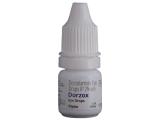
Trusopt (dorzolamide hydrochloride ophthalmic solution) 2% is a topical carbonic anhydrase inhibitor indicated for the reduction of elevated intraocular pressure (IOP) in patients with open‑angle glaucoma or ocular hypertension who are insufficiently responsive to beta‑blockers or in whom beta‑blockers are contraindicated. It works by inhibiting carbonic anhydrase in the ciliary processes of the eye, thereby decreasing the production of aqueous humour and lowering IOP. Trusopt may be used as monotherapy or in combination with other topical ophthalmic agents to achieve target IOP. It is not a miotic and does not cause accommodative spasm or night blindness.
Usual adult dose: The recommended dose is one drop of Trusopt 2% in the affected eye(s) three times daily. If more than one topical ophthalmic drug is being used, the medications should be instilled at least 5 minutes apart. To minimize systemic absorption and the risk of systemic side effects, patients should apply gentle pressure to the nasolacrimal sac (punctal occlusion) or gently close the eyelid for 1 to 2 minutes after instillation. If a dose is missed, it should be taken as soon as remembered, and the patient should then return to the regular schedule. The tip of the dispensing container must not touch the eye or surrounding structures to prevent contamination.
Dosage form: Sterile ophthalmic solution: 2% (each mL contains 20 mg of dorzolamide, equivalent to 22.26 mg of dorzolamide hydrochloride). Available in 5 mL and 10 mL dropper bottles. The product also contains benzalkonium chloride as a preservative; patients who wear soft contact lenses should remove them before instillation and wait at least 15 minutes before reinserting.
Onset of action: A reduction in intraocular pressure may be observed within 30 to 60 minutes of instillation, with peak IOP‑lowering effect occurring approximately 2 hours after dosing. Consistent three‑times‑daily administration is needed to maintain pressure control throughout the day.
Duration of action: The IOP‑lowering effect persists for approximately 8 to 12 hours, supporting a three‑times‑daily regimen. The plasma elimination half‑life of dorzolamide after topical ocular dosing is approximately 4 months due to slow release from red blood cells, but systemic concentrations are low and not correlated to ocular efficacy.
Alcohol recommendation: No direct interaction between topical dorzolamide and alcohol is known. However, excessive alcohol consumption may lead to systemic dehydration and transient fluctuations in blood pressure, which could theoretically affect ocular perfusion in patients with compromised optic nerve circulation. Moderation is advised.
Most common side effects: Ocular burning, stinging, and discomfort immediately after instillation (reported in up to one‑third of patients), bitter taste (dysgeusia), superficial punctate keratitis, transient blurred vision, tearing, and conjunctival hyperemia. These local effects are generally mild and resolve with continued use. Dorzolamide is a sulfonamide and, although applied topically, is absorbed systemically; therefore, the same types of adverse reactions attributable to sulfonamides may occur, including Stevens‑Johnson syndrome, toxic epidermal necrolysis, and aplastic anemia. Trusopt should be discontinued at the first sign of a serious skin or systemic hypersensitivity reaction. Caution is advised in patients with a history of renal calculi, severe renal impairment, or chronic corneal defects, including low endothelial cell counts. The concomitant use of oral carbonic anhydrase inhibitors and Trusopt is not recommended due to the risk of additive systemic effects. Patients should be monitored for any changes in vision, eye pain, or signs of corneal decompensation.
Would you like to try Trusopt (Dorzolamide ophthalmic) without a prescription?
+ Next orders 10% discount

+ Next orders 10% discount
+ Next orders 10% discount
Buy Generic Trusopt (Dorzolamide ophthalmic) without prescription at Canadian Pharmacy
At our pharmacy, you can buy Trusopt without a prescription, with discreet and anonymous packaging delivered within 5-14 days across Canada.
What is Trusopt?
Trusopt is an eye drop used to lower pressure inside the eye. The active ingredient is dorzolamide, a carbonic anhydrase inhibitor. It treats open-angle glaucoma and ocular hypertension, conditions where the pressure builds up and can damage the optic nerve, leading to permanent vision loss. Dorzolamide doesn't fix damage that's already happened, but by keeping intraocular pressure down, it slows or stops the progression. You use it every day, usually two or three times, to keep the pressure in a safe range.
Dorzolamide works right where the fluid is made. Inside the eye, the ciliary body produces aqueous humour. Dorzolamide blocks an enzyme there called carbonic anhydrase, which slows down fluid production. Less fluid made means less fluid pushing outward, so the pressure inside the eye falls. The effect starts within an hour, peaks around 2 to 3 hours, and lasts about 8 to 12 hours. That's why it's often dosed three times daily. It's sometimes used alone, but more often it's added to a beta-blocker like timolol to get the pressure down further. Trusopt comes as a 2% ophthalmic solution, usually in a 5 mL or 10 mL bottle.
Mechanism and Pharmacology
Dorzolamide is a sulfonamide derivative and a potent inhibitor of carbonic anhydrase II, the enzyme that converts water and carbon dioxide into bicarbonate and protons in the ciliary body. This reaction is essential for the active transport of sodium and fluid across the ciliary epithelium into the posterior chamber of the eye. When the enzyme is blocked, bicarbonate production drops, sodium and fluid transport slow down, and less aqueous humour is produced. The result is a reduction in intraocular pressure by about 15 to 24 percent from baseline.
Dorzolamide is applied topically, but it's absorbed through the cornea into the eye and also into the bloodstream. The systemic absorption is what can cause side effects elsewhere. After topical administration, it binds to carbonic anhydrase in red blood cells. It's eliminated slowly, primarily by the kidneys, with a half-life of about 4 months in red blood cells. The prolonged systemic presence is why some people get a bitter taste in the mouth or, rarely, the same metabolic acidosis seen with oral carbonic anhydrase inhibitors. However, at the 2% dose, systemic effects are usually mild.
How to Use Trusopt
The usual dose is one drop in the affected eye or eyes three times daily. If you're using more than one type of eye drop, wait at least 5 minutes between them so the first doesn't get washed out. If you wear soft contact lenses, take them out before using Trusopt, and wait at least 15 minutes before putting them back in. The preservative in the solution can be absorbed by soft lenses and irritate your eye.
To apply the drop: wash your hands, tilt your head back, pull down your lower lid to form a pocket, and squeeze one drop into the space. Close your eye gently for 2 minutes, pressing lightly on the inner corner of the eye where it meets the nose. This stops the drop from draining too quickly into your tear duct and throat, which helps keep the medicine in the eye and reduces the bitter taste some people complain about. Don't blink or squeeze your eye tight. If you miss a dose, take it as soon as you remember. If it's close to the time for your next dose, skip the missed one and get back on track. Don't double up. If you're using it alongside a beta-blocker drop, you can often switch to a fixed combination like Cosopt (dorzolamide plus timolol) for convenience.
Side Effects of Trusopt
Most side effects stay in the eye. A burning or stinging sensation right after putting the drop in is the most common complaint. It passes within a minute or two. Blurred vision can happen briefly, so don't drive or operate machinery until you can see clearly again. Allergic reactions on the surface of the eye, like itching, redness, and swelling of the lids, can develop after weeks or months of use. If that happens, stop the drops and see your doctor.
A distinctive side effect is a bitter, metallic, or unusual taste in your mouth right after using the drops. This happens because the drug drains into the nose and throat and affects the taste buds. The punctual occlusion technique, pressing on the inner corner of the eye, helps prevent this. Headaches, nausea, and fatigue can also occur but are usually mild. Very rarely, dorzolamide can cause a type of corneal swelling called corneal edema, especially in people with low endothelial cell counts. If your vision gets cloudy or you see halos around lights, check with your doctor. Systemic reactions, like a severe skin rash or a blood disorder, are extremely rare, but because it's a sulfonamide, there is a theoretical risk of Stevens-Johnson syndrome in sulfa-allergic patients. If you've had a severe reaction to sulfa antibiotics, discuss it with your doctor before starting.
High-Risk Groups (Elderly, Pregnancy)
Pregnancy. Dorzolamide is category C. There are no good human studies. In animals, high oral doses caused developmental problems, but the topical dose is far lower. Still, it's best to use it only if the benefit clearly outweighs the risk. Uncontrolled glaucoma during pregnancy can lead to vision loss, and some pressure-lowering drops are considered safer (like brimonidine or beta-blockers). Talk to your ophthalmologist.
Breastfeeding. It's not known whether dorzolamide gets into human milk after eye drops. The amount that reaches the bloodstream is tiny, but it does bind to red blood cells. Caution is advised. You might want to use a different drop, or monitor your baby for diarrhea or unusual symptoms. The decision should be made with your doctor.
Elderly patients are the main users of Trusopt. The drops work the same, but older adults are more likely to have kidney problems, and dorzolamide is excreted by the kidneys. If you have severe renal impairment (creatinine clearance less than 30 mL/min), Trusopt is not recommended because the drug can accumulate and cause systemic acidosis. Mild to moderate renal impairment is usually fine, but your doctor should check your kidney function periodically. If you have a history of kidney stones, dorzolamide might slightly increase the risk, though this is rare with the topical dose. Liver impairment does not require dose adjustment.
Interaction With Activities (Driving, Alcohol)
Trusopt can cause blurred vision for a few minutes after you put the drops in. Don't drive or do anything that needs clear vision until the blurring clears. If you get persistent eye irritation or your vision changes, see your doctor before driving. Alcohol doesn't interact with dorzolamide. You can drink moderately. Heavy drinking can raise intraocular pressure in some people, so as always, moderation is best.
Drug Interactions
The systemic absorption of dorzolamide from eye drops is low, but it can add to the effects of other carbonic anhydrase inhibitors. If you take an oral carbonic anhydrase inhibitor like acetazolamide (Diamox) for seizures, altitude sickness, or glaucoma, the effects on your kidneys and acid-base balance can be additive. This combination is rarely used, but it requires close monitoring. There's a theoretical interaction with high-dose salicylates (like aspirin). Both drugs can cause a similar type of metabolic acidosis, and high doses of aspirin can displace dorzolamide from its binding sites in the blood, increasing toxicity. This is more relevant for oral dorzolamide, but it's worth noting if you take daily high-dose aspirin for arthritis.
Topically, if you're using other eye drops, wait 5 minutes between them. Trusopt can be safely combined with beta-blockers (like timolol), alpha-agonists (like brimonidine), and prostaglandin analogues (like latanoprost). In fact, combining dorzolamide with a beta-blocker is a standard approach to get additive pressure lowering.
Alternative Options
Trusopt is one of several classes of glaucoma drops. The first-line treatment for most people is a prostaglandin analogue, like latanoprost, which you use just once daily and has very few systemic side effects. Beta-blockers (like timolol) are also common but can cause breathing problems and slow heart rate. Brimonidine is an alpha-agonist that can cause allergy and fatigue. For those who need more than one drug, a fixed combination drop like Cosopt (dorzolamide plus timolol) simplifies the routine. If drops don't work, laser trabeculoplasty or surgical drainage procedures are options. The choice of drop depends on your other health conditions, your eye pressure, and which drop you can tolerate best.
INN, Brand Names, and Classification in Canada
INN (International Nonproprietary Name): Dorzolamide hydrochloride
Available brand names in Canada: Trusopt, and generic dorzolamide ophthalmic solution
ATC code: S01EC03
Forms and strengths: Ophthalmic solution 2% (20 mg/mL) in 5 mL and 10 mL bottles
Manufacturers: Merck Canada Inc. (Trusopt), and diverse generic manufacturers including Sandoz Canada Inc., Apotex Inc., and Teva Canada Limited
Registration status in Canada: Registered
Classification: Prescription (Rx)
Frequently Asked Questions
How quickly does Trusopt lower eye pressure?
Pressure starts to drop within an hour, and the full effect peaks at about 2 to 3 hours. It lasts 8 to 12 hours, so it's important to take it three times daily if prescribed that way.
Why do I get a bitter taste after using it?
The drop drains from your eye into your tear duct, down into your nose and throat. When it reaches your taste buds, it can cause a bitter or metallic taste. Pressing on the inner corner of your eye for 2 minutes after putting the drop in can stop this by blocking the drainage.
Can I use Trusopt if I'm allergic to sulfa antibiotics?
Dorzolamide is a sulfonamide. There is a theoretical risk of cross-reactivity, but it's very low. Many people with a history of rash from sulfa antibiotics can still use Trusopt safely. However, if you've had a severe allergic reaction like Stevens-Johnson syndrome or anaphylaxis from a sulfa drug, you should not use it. Tell your eye doctor about your allergy.
Can I use it with my contact lenses?
Take your lenses out before putting the drops in. Wait at least 15 minutes before putting them back in. The preservative can irritate the eye and stain soft lenses.
What if I'm already on a beta-blocker drop?
That's fine. Trusopt and beta-blockers are often combined to get better pressure control. You can use them as separate bottles, or ask your doctor about a fixed combination like Cosopt to make it easier.
Delivery Information Across Canada
We ship Trusopt and generic dorzolamide to all provinces and territories. Delivery times vary depending on how remote your location is:
- Ontario (Toronto, Ottawa, Mississauga): 5 to 7 days
- Quebec (Montreal, Quebec City, Laval): 5 to 7 days
- British Columbia (Vancouver, Victoria, Burnaby): 5 to 9 days
- Alberta (Calgary, Edmonton, Red Deer): 5 to 9 days
- Manitoba (Winnipeg, Brandon): 5 to 9 days
- Saskatchewan (Saskatoon, Regina): 5 to 9 days
- Nova Scotia (Halifax, Sydney): 5 to 9 days
- New Brunswick (Moncton, Fredericton): 5 to 9 days
- Newfoundland and Labrador (St. John's, Corner Brook): 7 to 14 days
- Prince Edward Island (Charlottetown): 7 to 14 days
- Yukon, Northwest Territories, Nunavut: 7 to 14 days
All shipments are packed discreetly with no branding or indication of contents on the outside.
How to buy Generic Trusopt (Dorzolamide ophthalmic) no prescription from Canadian Pharmacy.
| Shipping method | Delivery time | Price | |
 Delivery Delivery |
14-21 days | 14.95$ | Tracking# available in 4 days |
 Delivery Delivery |
9-14 days | 30$ | Tracking# available in 2 days |


- Shipping worldwide
- Confidentiality and anonymity guarantee
- Safe and secure
- Discrete looking packages
- Dispatch orders within 24 hours
- 100% success delivery


