


 Secure and Reliable
  High quality
  Worldwide shipping
  Bonuses and Discounts
  Money back Guarantee
 - Bestsellers
- Alcoholism
- COVID-19
- Allergy
- Anti Fungal
- Alzheimers
- Anti Viral
- Anti-Depressants
- Anti-Inflammatory
- Antibacterial
- Antiparasitic
- Antibiotics
- Arthritis
- Asthma
- Birth Control
- Blood Pressure
- Cancer
- Cardiovascular
- Cholesterol
- Diabetes
- Diuretics
- Erectile Dysfunction
- Eye Drop
- Gastro Health
- General Health
- Hair Loss
- Hepatitis C Virus (HCV)
- HIV
- Hormones
- Men's ED Packs
- Men's Health
- Mental Illness
- Motion Sickness
- Muscle Relaxant
- Pain Relief
- Parkinson’s Disease
- Veterinary Medicines
- Quit Smoking
- Vitamins
- Skin Care
- Sleeping Aids
- Weight Loss
- Women's Health
Generic Trileptal ( Oxcarbazepine )
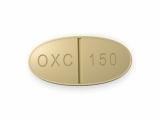
Trileptal (oxcarbazepine) is an anticonvulsant medication indicated for the treatment of partial-onset seizures in adults with epilepsy, either as monotherapy or adjunctive therapy. It is a 10-keto analogue of carbamazepine and works primarily by blocking voltage-sensitive sodium channels in neuronal membranes, thereby stabilizing hyperexcited nerve membranes, inhibiting repetitive neuronal firing, and reducing the propagation of synaptic impulses. Unlike carbamazepine, oxcarbazepine undergoes reductive metabolism to its active metabolite, licarbazepine (also known as monohydroxy derivative, MHD), which is largely responsible for its anticonvulsant activity and does not induce its own metabolism.
Usual adult dose: For monotherapy, the recommended initial dose is 300 mg twice daily (600 mg per day). The dose may be increased in 300 mg/day increments at weekly intervals to a maintenance dose of 600 mg twice daily (1200 mg per day). For adjunctive therapy, the recommended initial dose is 300 mg twice daily (600 mg per day). The dose may be increased in 600 mg/day increments at weekly intervals to a recommended maintenance dose of 600 mg twice daily (1200 mg per day). Doses up to 1200 mg twice daily (2400 mg per day) have been studied and may be effective in some patients; however, most patients cannot tolerate this dose due to central nervous system side effects. When converting from carbamazepine, the initial oxcarbazepine dose should be approximately 1.5 times the total daily carbamazepine dose, and gradual titration is recommended. Trileptal may be taken with or without food.
Dosage form: Film-coated tablets: 150 mg (pale grey-green, ovaloid, scored), 300 mg (yellow, ovaloid, scored), and 600 mg (light pink, ovaloid, scored). The scored tablets allow for flexible dosing and splitting where appropriate. An oral suspension (60 mg/mL) is also available for patients who have difficulty swallowing tablets.
Onset of action: Following oral administration, oxcarbazepine is rapidly absorbed and extensively converted to the active metabolite MHD. Peak plasma concentrations of MHD are reached within approximately 4 to 6 hours of a dose. Steady-state plasma concentrations are achieved within 2 to 3 days of twice-daily dosing. The therapeutic onset for seizure control is gradual and depends on dose titration; clinical benefit is typically assessed over several weeks of therapy at the target maintenance dose.
Duration of action: The elimination half-life of the active metabolite MHD is approximately 9 hours, allowing for twice-daily dosing with consistent 12-hour anticonvulsant coverage. The parent drug oxcarbazepine has a much shorter half-life of approximately 2 hours.
Alcohol recommendation: Alcohol consumption should be avoided during treatment with Trileptal. Alcohol may potentiate the central nervous system depressant effects of oxcarbazepine, including dizziness, drowsiness, impaired coordination, and decreased alertness. Concurrent use of alcohol and oxcarbazepine can significantly increase the risk of sedation and may reduce the seizure threshold, potentially compromising seizure control. Patients should not drive or operate machinery until they understand how the combination affects them.
Most common side effects: Dizziness, somnolence, headache, diplopia (double vision), blurred vision, nausea, vomiting, ataxia (impaired coordination), fatigue, and abnormal gait. Hyponatremia (serum sodium below 125 mmol/L) is a clinically important adverse effect, occurring in approximately 2.5% of treated patients; it is generally asymptomatic but may occasionally require dose adjustment or discontinuation. Most central nervous system side effects are dose-related and may be minimized by careful dose titration. Serious dermatological reactions, including Stevens-Johnson syndrome, have been reported rarely. Clinically significant hypersensitivity reactions occur less frequently with oxcarbazepine than with carbamazepine, although cross-sensitivity is observed in approximately 25% to 30% of patients.
Would you like to learn more about Trileptal (Oxcarbazepine) for the management of partial-onset seizures?
+ Next orders 10% discount

+ Next orders 10% discount
+ Next orders 10% discount
+ Next orders 10% discount
+ Next orders 10% discount
+ Next orders 10% discount
+ Next orders 10% discount
+ Next orders 10% discount
+ Next orders 10% discount
+ Next orders 10% discount
+ Next orders 10% discount
+ Package delivery insurance
+ Next orders 10% discount
+ Next orders 10% discount
+ Next orders 10% discount
+ Package delivery insurance
+ Next orders 10% discount
+ Package delivery insurance
+ Next orders 10% discount
+ Package delivery insurance
+ Next orders 10% discount
Buy Generic Trileptal (Oxcarbazepine) without prescription at Canadian Pharmacy
At our pharmacy, you can buy Trileptal without a prescription, with discreet and anonymous packaging delivered within 5-14 days across Canada.
What is Trileptal?
Trileptal is an anticonvulsant medication used primarily for epilepsy. The active ingredient is oxcarbazepine, a compound structurally related to carbamazepine but with a cleaner metabolic profile. It's used as monotherapy or add-on therapy for partial seizures with or without secondary generalization in adults and children. It's also prescribed off-label for bipolar disorder and trigeminal neuralgia, though the epilepsy indication is what it's officially approved for.
The drug works by stabilizing overexcited nerve cells. It blocks voltage-gated sodium channels in neuronal membranes, which prevents the repetitive firing of action potentials. Fewer uncontrolled electrical discharges means fewer seizures. The onset of action for seizure control is within days of reaching a therapeutic dose, though titration takes a couple of weeks to minimize side effects.
Trileptal comes in three tablet strengths: 150 mg, 300 mg, and 600 mg. It's also available as an oral suspension for children and people who have difficulty swallowing tablets. The usual maintenance dose for adults ranges from 600 to 2400 mg per day, divided into two doses.
Mechanism and Pharmacology
Oxcarbazepine is a prodrug. After oral administration, it's rapidly reduced by hepatic cytosolic enzymes to its active metabolite, the 10-monohydroxy derivative known as MHD or licarbazepine. MHD is responsible for essentially all the pharmacological activity. This is different from carbamazepine, which is metabolized by CYP3A4 to an epoxide metabolite that causes a lot of the toxicity. Oxcarbazepine avoids that pathway entirely. That's the main advantage: fewer drug interactions and better tolerability for many people.
MHD blocks voltage-sensitive sodium channels. In a neuron at rest, the channel is closed and the drug doesn't bind strongly. When the neuron depolarizes and the channel opens, MHD binds to the inactivated state and keeps the channel from reopening. This stabilizes the membrane and raises the threshold for repetitive firing. Seizure activity requires sustained high-frequency neuronal discharge. By making it harder for sodium channels to cycle back to the open state, MHD suppresses that pathological firing without completely blocking normal neurotransmission.
MHD also modulates calcium and potassium channels to a lesser extent, and there's some evidence it enhances dopaminergic and serotonergic transmission, which may contribute to its mood-stabilizing effects in bipolar disorder. The exact mechanism for bipolar isn't as well mapped as for epilepsy, but the sodium channel stabilization is likely the core.
MHD has a half-life of about 9 hours after a single dose, extending to 10 to 13 hours with repeated dosing. Steady state is reached within 2 to 3 days. It's excreted primarily through the kidneys, with about 95 percent of a dose recovered in urine. Dosing needs adjustment in renal impairment.
How to Use Trileptal
Trileptal is started low and titrated up. For adults starting monotherapy, the initial dose is usually 300 mg twice daily (600 mg total per day). The dose can be increased by 300 mg per day every 2 to 3 days until seizure control is achieved or side effects become limiting. The maintenance range is 600 to 2400 mg per day, divided into two doses.
If Trileptal is being added to existing anticonvulsant therapy, the starting dose is lower, typically 150 mg twice daily, with slower titration. Drug interactions with other anticonvulsants can reduce MHD levels, so the effective dose may need to be higher than with monotherapy.
Children's dosing is weight-based, starting at 8 to 10 mg per kg per day divided twice daily, with titration up to a target range of 30 to 46 mg per kg per day depending on age and whether it's monotherapy or adjunctive treatment.
Take the tablets with or without food. Taking them with food can reduce the nausea some people get early in treatment. If you miss a dose, take it as soon as you remember unless it's within 4 hours of the next scheduled dose. In that case, skip the missed one. Don't double up. Doubling antiepileptic doses can push blood levels into toxic range and trigger side effects without improving seizure control.
Do not stop Trileptal abruptly. Abrupt withdrawal of anticonvulsants can provoke rebound seizures, including status epilepticus. If you need to come off it, the dose should be tapered gradually over several weeks under medical supervision.
Side Effects of Trileptal
The side effect profile is dose-dependent and most pronounced during titration. The most common complaints are dizziness, drowsiness, headache, double vision, blurred vision, nausea, and fatigue. These are CNS and gastrointestinal effects that often improve as the body adjusts to a stable dose. Slowing the titration helps. If you're feeling sedated and unsteady, it's usually a sign the dose was increased too fast, not that the drug is intolerable at any dose.
Hyponatremia, low serum sodium, is the side effect that sets oxcarbazepine apart from many other anticonvulsants. It occurs in about 2 to 3 percent of patients, more commonly in the elderly and those on diuretics. Sodium can drop below 125 mmol/L, and at that level symptoms appear: confusion, lethargy, muscle cramps, and in severe cases seizures. The irony of a seizure medication causing seizures through low sodium is not lost on anyone. Sodium levels should be checked before starting and periodically during treatment. Mild hyponatremia can sometimes be managed with fluid restriction. Moderate to severe hyponatremia usually requires dose reduction or discontinuation.
Rash occurs in a small percentage of patients. The concern is serious cutaneous reactions like Stevens-Johnson syndrome. The risk is lower than with carbamazepine, and the presence of the HLA-B*1502 allele, which strongly predicts carbamazepine-induced SJS in Asian populations, has a weaker association with oxcarbazepine. Still, screening is recommended for at-risk ethnic groups, and any rash that appears during the first few months should be evaluated promptly.
Other possible side effects include weight gain, though less pronounced than with valproate or gabapentin, and mild liver enzyme elevations that are usually transient and not clinically significant. Blood dyscrasias are rare but have been reported.
High-Risk Groups (Elderly, Pregnancy)
Pregnancy is complicated with all anticonvulsants, and oxcarbazepine is no exception. The data are less extensive than for older drugs like valproate and carbamazepine, but what exists suggests an increased risk of congenital malformations, including neural tube defects, though the absolute risk appears lower than with valproate. Oxcarbazepine is pregnancy category C. It crosses the placenta, and MHD concentrations in the newborn are similar to maternal levels.
The problem is that uncontrolled seizures during pregnancy also pose risks: trauma from falls, hypoxia during prolonged seizures, and fetal distress. The standard approach is to use the lowest effective dose, as monotherapy if possible, with folic acid supplementation (5 mg daily) before conception and during the first trimester. Therapeutic drug monitoring of MHD levels is recommended during pregnancy because plasma concentrations can drop due to increased clearance. Dose adjustments may be needed to maintain seizure control. If you're on Trileptal and planning pregnancy, talk to your neurologist and obstetrician before making any changes.
Breastfeeding. MHD is excreted into breast milk at concentrations similar to maternal plasma. The infant ingests about 7 to 8 percent of the maternal weight-adjusted dose. Most infants show no adverse effects, but sedation and poor feeding have been reported in some cases. The benefits of breastfeeding generally outweigh the risks, but the infant should be monitored for drowsiness, weight gain, and developmental milestones.
Elderly patients need lower doses. Renal clearance of MHD decreases with age, and older adults are more susceptible to side effects, particularly hyponatremia and CNS effects like dizziness and unsteadiness. Start at 150 mg twice daily, titrate more slowly, and monitor sodium closely. Falls are a real concern. An elderly patient who gets dizzy from too-rapid titration is at risk of hip fracture. The clinical stakes are higher, so the pace of dose escalation should be more conservative.
Renal impairment requires dose adjustment. For creatinine clearance below 30 mL per minute, start at half the usual dose and titrate more slowly. For patients on dialysis, supplemental dosing after dialysis may be needed because MHD is removed by hemodialysis.
Liver impairment does not require dose adjustment for mild to moderate disease, but oxcarbazepine has not been well studied in severe hepatic impairment.
Interaction With Activities (Driving, Alcohol)
Trileptal can cause dizziness, drowsiness, blurred vision, and impaired coordination, especially during titration and at higher doses. Driving is a significant concern. The law in many Canadian provinces requires physicians to report patients with uncontrolled epilepsy, and patients themselves must self-report any condition or medication that could impair driving. Even if your seizures are controlled on Trileptal, the drug's CNS side effects may still affect your ability to drive safely.
The practical approach is to avoid driving during the titration phase, wait until you're on a stable dose, and assess how you feel. If you're experiencing dizziness or double vision, don't drive. If your neurologist has cleared you and you feel fine, driving may be permissible, but this is a decision that requires medical input. Seizure-related driving restrictions are legally binding and vary by province.
Alcohol amplifies the CNS depressant effects of oxcarbazepine. Drowsiness, dizziness, and impaired coordination are all worse with alcohol on board. The label says to avoid alcohol, and in an ideal world that's the safest approach. In reality, a single drink occasionally may be tolerated by someone on a stable dose who isn't experiencing side effects. But alcohol also disrupts sleep architecture and can lower the seizure threshold, especially in withdrawal. Heavy drinking and anticonvulsants don't mix well. If you drink, be honest with your doctor about how much.
Drug Interactions
Oxcarbazepine has fewer drug interactions than carbamazepine because it doesn't induce CYP3A4 and doesn't produce the toxic epoxide metabolite. But it does induce CYP3A4 to a lesser extent through its MHD metabolite, and it strongly inhibits CYP2C19. Those two actions drive most of its interactions.
Hormonal contraceptives are less reliable on oxcarbazepine. It induces CYP3A4, which increases the metabolism of ethinylestradiol and progestins in oral contraceptives, patches, and rings. Breakthrough bleeding and unintended pregnancies have been reported. Women of childbearing age should use a higher-dose contraceptive or a non-hormonal method like an IUD. The interaction also applies to emergency contraception.
Other anticonvulsants interact bidirectionally. Phenytoin, phenobarbital, and carbamazepine induce the metabolism of MHD, lowering its blood levels. When Trileptal is added to one of these drugs, higher doses may be needed. Conversely, oxcarbazepine inhibits CYP2C19 and can increase phenytoin levels by 40 percent or more. If you're on both, phenytoin levels need monitoring and dose reduction may be required.
Valproate levels can drop by about 15 to 20 percent when oxcarbazepine is added, though the mechanism is not entirely clear. Lamotrigine levels can drop significantly because oxcarbazepine induces the UGT enzymes that metabolize lamotrigine. The lamotrigine dose may need to be increased.
Calcium channel blockers like felodipine and verapamil can have reduced efficacy because oxcarbazepine induces their metabolism. The interaction is clinically relevant for hypertension management.
Tricyclic antidepressants and antipsychotics metabolized by CYP2C19, including amitriptyline, clomipramine, and some phenothiazines, can have increased levels when co-administered with oxcarbazepine. Dose reductions may be needed.
Lithium levels are not significantly affected, and the combination is sometimes used for bipolar disorder, though the risk of additive neurotoxicity (tremor, ataxia, confusion) exists and requires monitoring.
Alternative Options
Oxcarbazepine is one of many anticonvulsants, and the choice depends on seizure type, side effect tolerance, and individual patient factors:
Carbamazepine (Tegretol) is the parent drug and the most direct comparator. It's effective for partial seizures and trigeminal neuralgia but has more drug interactions, a higher risk of rash and blood dyscrasias, and requires routine blood monitoring. Oxcarbazepine is generally better tolerated, but carbamazepine costs less and has more extensive long-term data. Some people who fail carbamazepine due to side effects do well on oxcarbazepine.
Lamotrigine (Lamictal) is first-line for partial seizures and has a favourable cognitive side effect profile. It's also widely used in bipolar disorder. The main downside is the slow titration required to avoid rash, which can be severe. Lamotrigine doesn't cause hyponatremia. It's a good option for women of childbearing age because it has better pregnancy data than many anticonvulsants.
Levetiracetam (Keppra) is effective for partial and generalized seizures, has minimal drug interactions, and doesn't require blood monitoring. Its main drawback is behavioural side effects: irritability, aggression, and mood changes. Some people feel fine on it. Others feel like a different person. Oxcarbazepine is often preferred in people with pre-existing mood instability.
Valproate (Depakote) is broad-spectrum and effective for multiple seizure types, but it's teratogenic and causes significant weight gain, tremor, and hair loss. In women of childbearing age, it's generally avoided unless nothing else works.
Topiramate (Topamax) is effective but causes cognitive slowing, word-finding difficulty, and weight loss. Oxcarbazepine is less likely to affect cognition significantly at therapeutic doses.
Eslicarbazepine (Aptiom) is a newer drug that's essentially a purified version of the active metabolite of oxcarbazepine. It's dosed once daily and may have a slightly better tolerability profile. It's approved in Canada for partial seizures and is structurally similar enough to oxcarbazepine that cross-sensitivity can occur.
For bipolar disorder specifically, lithium, lamotrigine, quetiapine, and valproate are the established options. Oxcarbazepine is used off-label when those fail or aren't tolerated. The evidence base is thinner than for carbamazepine but the side effect advantage makes it a practical choice.
INN, Brand Names, and Classification in Canada
INN (International Nonproprietary Name): Oxcarbazepine
Available brand names in Canada: Trileptal, and generic oxcarbazepine
ATC code: N03AF02
Forms and strengths: Tablets 150 mg, 300 mg, 600 mg; Oral suspension 300 mg per 5 mL
Manufacturers: Novartis Pharmaceuticals Canada Inc. (Trileptal), Teva Canada Limited, Sandoz Canada Inc., Apotex Inc., and diverse generic manufacturers
Registration status in Canada: Registered
Classification: Prescription (Rx)
Choosing the Right Dose and Formulation
The dose of Trileptal is individualized. Two people with similar seizure frequency may need very different amounts. The right dose is the one that controls seizures without causing intolerable side effects. For most adults, that falls between 900 and 1800 mg per day, split into morning and evening doses. Some people need the full 2400 mg. Others get excellent control at 600 mg.
The tablet strengths are designed for flexible titration. The 150 mg tablet is used for initiation and dose adjustments. The 300 mg tablet is the workhorse for maintenance dosing. The 600 mg tablet simplifies the regimen for people on higher doses who would otherwise be taking multiple pills per dose. The oral suspension is dosed in milliliters and is preferred for children, people with swallowing difficulties, and patients who need fine-tuned dosing.
Generic oxcarbazepine is widely available in Canada and costs significantly less than brand-name Trileptal. Bioequivalence studies support switching, but as with any anticonvulsant, once you're stable on one formulation, avoid switching back and forth between manufacturers. Small variations in bioavailability can affect seizure control.
Trileptal is legally classified as prescription-only in Canada. However, through our pharmacy, you can purchase Trileptal without a prescription and receive it in discreet packaging anywhere across the country.
Frequently Asked Questions
Can I drive while taking Trileptal?
This depends on two factors: your seizure control and the drug's side effects. Provinces have legal restrictions on driving after a seizure. Even if your seizures are controlled, Trileptal can cause dizziness, drowsiness, and double vision, especially during dose changes. Don't drive during the titration phase. Once you're on a stable dose, discuss it with your neurologist. The answer varies case by case.
What should I do if I miss a dose?
Take it as soon as you remember. If it's within 4 hours of the next scheduled dose, skip the missed one and continue on schedule. Don't double the dose. Missing doses can reduce seizure control, so consistency matters. Using a pill organizer or phone alarm helps.
Can I drink alcohol on Trileptal?
The official recommendation is to avoid alcohol. It worsens the dizziness, drowsiness, and coordination problems the drug can cause. Alcohol also disrupts sleep and can lower the seizure threshold. An occasional single drink on a stable dose may be fine for some people, but heavy drinking and anticonvulsants are a bad combination. Be honest with your doctor about your drinking.
Does Trileptal affect birth control?
Yes. Oxcarbazepine reduces the effectiveness of hormonal contraceptives, including pills, patches, and vaginal rings. Use a non-hormonal method like a copper IUD, or a higher-dose hormonal method with a backup barrier method. Discuss this with your doctor before relying on oral contraception alone.
Will Trileptal cause weight gain?
Weight gain is less common with oxcarbazepine than with valproate or gabapentin, but it does occur in a subset of patients. The average gain in clinical trials was modest, a few kilograms. If weight becomes an issue, diet and exercise management is the first step. Switching to an alternative like lamotrigine or topiramate, which are weight-neutral or cause weight loss, may be considered.
How is Trileptal different from carbamazepine?
Trileptal is a newer drug with a cleaner metabolic profile. It doesn't produce the toxic epoxide metabolite that carbamazepine does, so it has fewer drug interactions, requires less blood monitoring, and has a lower risk of serious rash and blood disorders. The trade-off is a higher risk of hyponatremia and less extensive long-term safety data. Some people tolerate one drug much better than the other, so cross-switching is common if side effects are a problem.
Can I stop Trileptal if I haven't had a seizure in years?
Don't stop it on your own. Even after long seizure-free periods, abrupt withdrawal can trigger seizures. If you and your neurologist decide to try discontinuing therapy, the dose will be tapered gradually over weeks to months, and you'll be monitored for recurrence. Some people can successfully come off anticonvulsants. Others need lifelong treatment even with prolonged remission.
Delivery Information Across Canada
We ship Trileptal to all provinces and territories. Delivery times vary depending on how remote your location is:
- Ontario (Toronto, Ottawa, Mississauga): 5 to 7 days
- Quebec (Montreal, Quebec City, Laval): 5 to 7 days
- British Columbia (Vancouver, Victoria, Burnaby): 5 to 9 days
- Alberta (Calgary, Edmonton, Red Deer): 5 to 9 days
- Manitoba (Winnipeg, Brandon): 5 to 9 days
- Saskatchewan (Saskatoon, Regina): 5 to 9 days
- Nova Scotia (Halifax, Sydney): 5 to 9 days
- New Brunswick (Moncton, Fredericton): 5 to 9 days
- Newfoundland and Labrador (St. John's, Corner Brook): 7 to 14 days
- Prince Edward Island (Charlottetown): 7 to 14 days
- Yukon, Northwest Territories, Nunavut: 7 to 14 days
All shipments are packed discreetly with no branding or indication of contents on the outside.
How to buy Generic Trileptal (Oxcarbazepine) no prescription from Canadian Pharmacy.
| Shipping method | Delivery time | Price | |
 Delivery Delivery |
14-21 days | 14.95$ | Tracking# available in 4 days |
 Delivery Delivery |
9-14 days | 30$ | Tracking# available in 2 days |


- Shipping worldwide
- Confidentiality and anonymity guarantee
- Safe and secure
- Discrete looking packages
- Dispatch orders within 24 hours
- 100% success delivery


