


 Secure and Reliable
  High quality
  Worldwide shipping
  Bonuses and Discounts
  Money back Guarantee
 - Bestsellers
- Alcoholism
- COVID-19
- Allergy
- Anti Fungal
- Alzheimers
- Anti Viral
- Anti-Depressants
- Anti-Inflammatory
- Antibacterial
- Antiparasitic
- Antibiotics
- Arthritis
- Asthma
- Birth Control
- Blood Pressure
- Cancer
- Cardiovascular
- Cholesterol
- Diabetes
- Diuretics
- Erectile Dysfunction
- Eye Drop
- Gastro Health
- General Health
- Hair Loss
- Hepatitis C Virus (HCV)
- HIV
- Hormones
- Men's ED Packs
- Men's Health
- Mental Illness
- Motion Sickness
- Muscle Relaxant
- Pain Relief
- Parkinson’s Disease
- Veterinary Medicines
- Quit Smoking
- Vitamins
- Skin Care
- Sleeping Aids
- Weight Loss
- Women's Health
Generic Stromectol ( Ivermectin )
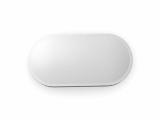
Stromectol (ivermectin) is an anthelmintic and antiparasitic agent indicated for the treatment of strongyloidiasis (intestinal infection caused by Strongyloides stercoralis) and onchocerciasis (river blindness caused by Onchocerca volvulus). It belongs to the avermectin class of antiparasitic compounds and works by selectively binding with high affinity to glutamate-gated chloride ion channels present in invertebrate nerve and muscle cells. This binding increases the permeability of the cell membrane to chloride ions, leading to hyperpolarization of the nerve or muscle cell, paralysis, and eventual death of the parasite. In addition, ivermectin interferes with other ligand-gated ion channels unique to invertebrates, contributing to its broad-spectrum antiparasitic activity. It has minimal affinity for mammalian ligand-gated chloride channels, which accounts for its favorable safety profile in humans. Stromectol does not cross the blood-brain barrier to a significant extent in most individuals, as it is actively effluxed by the P-glycoprotein transporter.
Usual adult dose: For strongyloidiasis, the recommended dose is a single oral dose of approximately 200 mcg per kilogram of body weight, typically administered as 2 tablets of 3 mg each for a total single dose of 6 mg in most adults, followed by water on an empty stomach at least 1 hour before or 2 hours after a meal. For onchocerciasis, the recommended dose is a single oral dose of approximately 150 mcg per kilogram of body weight, usually administered as 2 tablets of 3 mg each for a total single dose of 6 mg in most adults, taken on an empty stomach with water. In the treatment of onchocerciasis, additional doses at intervals of 3 to 12 months may be necessary to suppress microfilariae, as ivermectin is microfilaricidal but does not kill the adult worms. Patients with heavy ocular infection may require concomitant corticosteroid therapy to control inflammatory reactions to the death of microfilariae. Dosing should be based on precise body weight, particularly in patients under 65 kg or over 85 kg, where adjusted doses of 3 mg or 12 mg may be required.
Dosage form: Tablets: 3 mg (white, round, flat, bevelled-edge, scored). The scored tablet design allows for accurate weight-based dosing. Each tablet contains 3 mg of ivermectin with inactive excipients. The tablet may be split at the score line to accommodate individualized weight-adjusted regimens.
Onset of action: Following oral administration, ivermectin is absorbed from the gastrointestinal tract, with peak plasma concentrations achieved approximately 4 hours after dosing. In the treatment of strongyloidiasis, reduction in larval output begins promptly, with clearance of larvae from the stool typically achieved within 1 to 2 days. In onchocerciasis, the microfilaricidal effect in the skin is rapid, with a significant reduction in dermal microfilariae observed within 2 to 3 days; suppression of ocular microfilariae follows a similar time course and persists for approximately 6 to 12 months after a single dose.
Duration of action: The elimination half-life of ivermectin is approximately 18 hours, with the drug and its metabolites excreted almost exclusively in the feces over an estimated 12 days. Despite the relatively short plasma half-life, the antiparasitic effect against microfilariae is sustained for 6 to 12 months, particularly in onchocerciasis, reflecting the drug's high protein binding and its concentration within parasitic tissues. In strongyloidiasis, a single dose is often curative, with efficacy evaluated by repeat stool examinations.
Alcohol recommendation: No specific clinically significant interaction between ivermectin and alcohol has been established. Alcohol consumption does not directly alter the antiparasitic efficacy or pharmacokinetics of ivermectin in a clinically meaningful way. However, alcohol intake may increase the risk of gastrointestinal upset, dizziness, and central nervous system side effects such as drowsiness, which are already potential adverse effects of ivermectin. Patients are advised to exercise moderation and to understand how the combination affects them, particularly before driving or undertaking activities requiring mental alertness. Abstinence from alcohol for at least 24 hours after treatment is a prudent precaution.
Most common side effects: In the treatment of strongyloidiasis, adverse effects are generally mild and include gastrointestinal symptoms such as diarrhea, nausea, and abdominal discomfort, as well as fatigue, dizziness, and pruritus. In the treatment of onchocerciasis, adverse effects are predominantly due to the allergic and inflammatory response to the rapid death of microfilariae (Mazzotti reaction) rather than to the drug itself. These reactions include fever, pruritus, urticaria, myalgia, arthralgia, lymphadenopathy, edema, and postural hypotension. In patients with heavy Onchocerca volvulus infection, more severe reactions may occur, including ophthalmologic inflammatory events. Concomitant administration of antihistamines or corticosteroids may be necessary to mitigate these inflammatory reactions. Rare but serious neurological adverse effects, including confusion, stupor, and coma, have been reported, particularly in patients with heavy Loa loa co-infection, where high microfilarial loads can trigger severe encephalopathy. Ivermectin is contraindicated in patients with known hypersensitivity to any component of the formulation and should be used with caution in populations where Loa loa is endemic without appropriate pretreatment screening.
Would you like to learn more about Stromectol (Ivermectin) for the treatment of parasitic infections?
+ Next orders 10% discount

+ Next orders 10% discount
+ Next orders 10% discount
+ Next orders 10% discount
+ Next orders 10% discount
+ Next orders 10% discount
+ Package delivery insurance
+ Next orders 10% discount
+ Package delivery insurance
+ Next orders 10% discount
+ Package delivery insurance
+ Next orders 10% discount
+ Next orders 10% discount
+ Next orders 10% discount
+ Next orders 10% discount
+ Next orders 10% discount
+ Next orders 10% discount
+ Package delivery insurance
+ Next orders 10% discount
+ Package delivery insurance
+ Next orders 10% discount
+ Package delivery insurance
+ Next orders 10% discount
+ Package delivery insurance
+ Next orders 10% discount
+ Next orders 10% discount
+ Next orders 10% discount
+ Next orders 10% discount
+ Next orders 10% discount
+ Package delivery insurance
+ Next orders 10% discount
+ Package delivery insurance
+ Next orders 10% discount
+ Package delivery insurance
+ Next orders 10% discount
+ Package delivery insurance
+ Next orders 10% discount
+ Package delivery insurance
+ Next orders 10% discount
Buy Generic Stromectol (Ivermectin) without prescription at Canadian Pharmacy
At our pharmacy, you can buy Stromectol without a prescription, with discreet and anonymous packaging delivered within 5-14 days across Canada.
What is Stromectol?
Stromectol is an antiparasitic medication. The active ingredient is ivermectin, a drug derived from avermectins, which are natural products of the soil bacterium Streptomyces avermitilis. It was discovered in the 1970s, introduced commercially in 1981, and won its discoverers the Nobel Prize in Medicine in 2015. It's on the World Health Organization's list of essential medicines because it treats some of the most devastating parasitic diseases on the planet, river blindness and lymphatic filariasis among them. In Canada and other developed countries, its approved uses are narrower: strongyloidiasis, a roundworm infection of the gut, and scabies that hasn't responded to topical treatments. It's also used off-label for rosacea, head lice, and several other parasitic conditions.
Ivermectin works by binding to glutamate-gated chloride channels in the nerve and muscle cells of invertebrates. This increases the permeability of the cell membrane to chloride ions, causing hyperpolarization of the cell, paralysis, and death of the parasite. Mammals don't have these glutamate-gated chloride channels, at least not in the central nervous system. The drug doesn't cross the blood-brain barrier well in humans, which is why it's safe for us and lethal for worms and mites.
The onset of action varies by indication. For strongyloidiasis, a single dose is usually curative. For scabies, a single dose kills the mites, but a second dose two weeks later is often recommended to cover the full life cycle. The duration of action is limited to about 12 to 24 hours in the bloodstream, but the effect on parasites persists because the damage is done during that window.
Stromectol comes in 3 mg tablets. Dosing is weight-based, typically 200 micrograms per kilogram of body weight. For a 70 kg adult, that's about 15 mg, or five 3 mg tablets. Doses range from 3 mg to 12 mg and beyond depending on the infection and body weight.
Mechanism and Pharmacology
Ivermectin is a macrocyclic lactone that acts as a selective positive allosteric modulator of glutamate-gated chloride channels. In invertebrates, these channels are present in peripheral nerve cords and muscle cells. When ivermectin binds, the channels open and stay open. Chloride ions flood into the cell. The membrane potential becomes more negative, farther from the threshold for firing an action potential. The neuron or muscle cell becomes unexcitable. The parasite can't move, can't feed, can't reproduce. It dies.
The selectivity for parasites over mammals comes from two factors. First, glutamate-gated chloride channels are not present in the mammalian central nervous system. Mammals have GABA-gated chloride channels, which ivermectin can also modulate, but these are protected by the blood-brain barrier, and ivermectin is a substrate for P-glycoprotein, an efflux transporter that actively pumps drugs out of the brain. At therapeutic doses, brain concentrations remain extremely low. At very high doses, or in animals with defective P-glycoprotein, ivermectin can enter the brain and cause neurotoxicity. Collies and related herding breeds have a genetic mutation in the MDR1 gene that impairs P-glycoprotein function, and ivermectin at doses safe for other dogs can be fatal to them.
In addition to chloride channel effects, ivermectin also potentiates GABA-gated currents and may have effects on other ligand-gated ion channels. The antiparasitic effect is predominantly the glutamate-gated chloride channel mechanism.
Oral bioavailability is about 60 percent, increased by taking the drug with a fatty meal. Peak plasma concentration occurs about 4 hours after dosing. It's highly protein-bound, about 93 percent. The volume of distribution is large because the drug is lipophilic and accumulates in fat tissue. Metabolism is primarily hepatic via CYP3A4, with a smaller contribution from CYP2D6. The half-life is about 18 hours. Excretion is almost entirely fecal, with less than 1 percent appearing in urine.
How to Use Stromectol
Dosing is based on body weight. The standard dose is 200 micrograms per kilogram, taken as a single oral dose. For practical purposes, that works out to roughly 15 mg for a 70 kg adult, which means five 3 mg tablets taken together. The tablets are swallowed whole with water on an empty stomach, preferably 1 hour before or 2 hours after a meal. Taking it with food increases absorption, which is not necessarily desirable. The recommendation for an empty stomach is to reduce systemic exposure and the small risk of CNS side effects.
For strongyloidiasis, a single dose is usually sufficient. Cure rates exceed 90 percent. Stool examination should be repeated 2 to 4 weeks after treatment to confirm clearance. For crusted scabies, a severe form where the mites are extremely numerous, multiple doses are typically needed, often combined with topical scabicides. A common regimen is ivermectin on days 1, 2, 8, 9, and 15, though this varies based on severity and specialist guidance. For uncomplicated scabies, two doses separated by 7 to 14 days is standard. The first dose kills the adult mites. The second kills any that have hatched from eggs that survived the first round.
If you miss a dose and you're on a multi-dose regimen, take it as soon as you remember and continue with the schedule. If you're close to the next dose, skip the missed one. The timing of follow-up doses for scabies is based on the mite life cycle, so try to stay as close to the schedule as possible.
Stromectol treats the infection. It doesn't prevent reinfection. For scabies, all close contacts should be treated simultaneously, and bedding, clothing, and towels should be washed in hot water and dried on high heat. For strongyloidiasis, good sanitation prevents reinfection.
Side Effects of Stromectol
At doses used for parasitic infections, side effects are generally mild and transient. Gastrointestinal upset, nausea, diarrhea, and abdominal pain occur in a small percentage of patients. These are usually self-limiting.
Dizziness, fatigue, and headache are the most common CNS effects. They're generally mild and resolve within a day. At therapeutic doses, the blood-brain barrier keeps ivermectin out. In people with compromised blood-brain barrier function, such as those with a high parasite burden causing inflammation, CNS penetration may be slightly higher.
A Mazzotti reaction can occur after treatment of onchocerciasis (river blindness), though this disease is rare outside of sub-Saharan Africa and parts of Latin America. The reaction is caused by the death of microfilariae, the larval form of the parasite, releasing antigens that trigger an inflammatory response. Symptoms include fever, rash, itching, lymphadenopathy, and sometimes hypotension. It's not a drug allergy. It's a reaction to the dying parasites. Corticosteroids can help manage it.
Allergic reactions to ivermectin itself are rare. Rash and pruritus are possible but uncommon.
Loa loa co-infection is a concern in areas where this parasite is endemic. In patients with a high Loa loa microfilarial load, ivermectin can cause a severe encephalopathy. This is not relevant in Canada but is a major consideration in Central and West Africa.
High-Risk Groups (Elderly, Pregnancy)
Pregnancy. Ivermectin is FDA pregnancy category C. Animal studies at high doses have shown teratogenicity, including cleft palate and clubbed feet. Human data are limited but have not shown a clear signal of harm in the thousands of women inadvertently treated during mass drug administration campaigns. The WHO recommends against routine use in pregnancy, but in areas where onchocerciasis and lymphatic filariasis are endemic and the risk of untreated disease is high, the benefit may justify treatment. In a Canadian context, for scabies or strongyloidiasis, the risk-benefit calculus should be individualized with a physician. If treatment can be deferred until after delivery, that's usually the safest course.
Breastfeeding. Ivermectin is excreted into breast milk in low concentrations. The relative infant dose is small, and no adverse effects have been reported in breastfed infants of treated mothers. The WHO considers it compatible with breastfeeding. For a mother in Canada being treated for scabies, the benefits of treatment and the risk to the infant from the mother's infestation need to be weighed. A single dose of ivermectin is unlikely to harm a breastfeeding infant.
Elderly patients. No dose adjustment is needed based on age alone, but elderly patients are more likely to be on multiple medications and have compromised blood-brain barrier function. Dizziness and fatigue should be monitored. Falls risk should be considered.
Children weighing less than 15 kg. Safety and efficacy have not been established in children under 15 kg. In practice, ivermectin has been used safely in children as young as 5 years in mass drug administration programs, but the official labeling advises caution. For a Canadian child with scabies, topical permethrin is usually first-line. Ivermectin is reserved for older children or refractory cases.
Liver impairment. Ivermectin is metabolized in the liver. In patients with severe hepatic impairment, clearance may be reduced and exposure increased. No specific dose adjustment is given in the labeling, but caution is warranted.
Renal impairment. The drug is minimally excreted by the kidneys. No dose adjustment is needed for renal impairment.
Interaction With Activities (Driving, Alcohol)
Ivermectin can cause dizziness, fatigue, and in some people a sensation of imbalance. Driving is not formally contraindicated, but if you feel dizzy or lightheaded after taking it, don't drive until those symptoms resolve. The dizziness is usually mild and short-lived, peaking a few hours after the dose and resolving within 12 to 24 hours.
Alcohol has no direct pharmacokinetic interaction with ivermectin. However, alcohol itself causes dizziness and can amplify the mild CNS effects of the drug. If you're drinking, you may feel more sedated or unsteady than you expect. An occasional drink is unlikely to cause problems. Heavy drinking on the same day as a dose is not recommended, partly because of the additive CNS effects and partly because you're trying to treat an infection and giving your body a second toxin to process doesn't help.
Drug Interactions
Ivermectin is a substrate for CYP3A4 and P-glycoprotein. Drugs that inhibit or induce these pathways can alter ivermectin levels.
Strong CYP3A4 inhibitors (ketoconazole, itraconazole, ritonavir, clarithromycin) can increase ivermectin plasma levels. The clinical significance is usually minor because the therapeutic window is wide for antiparasitic indications. In mass drug administration settings, ivermectin is given alongside azole antifungals and antiretrovirals without dose adjustment. Caution is still warranted, especially at higher ivermectin doses or in patients with compromised blood-brain barrier function.
Strong CYP3A4 inducers (rifampin, phenytoin, carbamazepine, St. John's Wort) can reduce ivermectin levels and potentially reduce efficacy. If you're on one of these drugs, discuss with your doctor whether a higher ivermectin dose is needed.
Warfarin. Ivermectin has been reported to potentiate the anticoagulant effect of warfarin in a small number of cases. The mechanism is not well understood. If you're on warfarin, monitor your INR more closely after taking ivermectin.
Albendazole is often co-administered with ivermectin for lymphatic filariasis and other parasitic infections. The combination is safe and synergistic. Ivermectin kills the microfilariae. Albendazole kills the adult worms. There's no adverse interaction.
Alternative Options
The choice of antiparasitic depends on the organism being targeted. Here are the alternatives for the main indications in Canada:
Permethrin cream (Nix, Kwellada-P) is a topical scabicide and the first-line treatment for uncomplicated scabies in Canada. It's applied from neck to soles, left on for 8 to 14 hours, and washed off. It's safe, effective, and available over the counter. Oral ivermectin is reserved for scabies that doesn't respond to permethrin, crusted scabies, or situations where topical treatment is impractical, such as in institutional outbreaks or when a patient can't apply the cream to their own body.
Albendazole is an oral antiparasitic used for a range of worm infections, including some that ivermectin treats. For strongyloidiasis, ivermectin is superior. For many other intestinal nematodes, albendazole is the drug of choice.
Moxidectin is a newer macrocyclic lactone related to ivermectin. It has a longer half-life and is approved for onchocerciasis. It's not available in Canada but may be an option through special access.
Topical ivermectin (Rosiver, Soolantra) is a cream used for rosacea, not for parasitic infections. It's not a substitute for oral ivermectin for scabies or strongyloidiasis.
INN, Brand Names, and Classification in Canada
INN (International Nonproprietary Name): Ivermectin
Available brand names in Canada: Stromectol, and generic ivermectin
ATC code: P02CF01
Forms and strengths: Tablets 3 mg
Manufacturers: Merck Canada Inc. (Stromectol), and diverse generic manufacturers
Registration status in Canada: Registered
Classification: Prescription (Rx)
Ivermectin and COVID-19: A Note
During the COVID-19 pandemic, ivermectin received significant attention as a potential treatment. In vitro studies showed that at very high concentrations, ivermectin could inhibit replication of SARS-CoV-2. The concentrations required were far higher than can be safely achieved in human plasma. Multiple large, randomized controlled trials, including the TOGETHER trial and the ACTIV-6 trial, have since shown no benefit of ivermectin for COVID-19 in terms of hospitalization, mortality, or symptom duration. Health Canada, the FDA, the WHO, and every major medical body recommend against the use of ivermectin for COVID-19 outside of clinical trials. It remains an effective antiparasitic drug for its approved indications. Using it for viral infections is not supported by evidence.
Frequently Asked Questions
How does ivermectin kill parasites but not people?
The drug targets glutamate-gated chloride channels that are present in invertebrates but not in the mammalian central nervous system. It also doesn't cross the blood-brain barrier well at therapeutic doses. The combination of target selectivity and anatomical protection makes it safe for humans at doses that are lethal to worms and mites.
Can I use Stromectol for scabies instead of the cream?
Yes, if the cream hasn't worked or isn't practical. Oral ivermectin is highly effective for scabies. It's usually given as two doses separated by 7 to 14 days. All close contacts should be treated at the same time, and bedding and clothing should be washed to prevent reinfestation.
Is one dose enough for strongyloidiasis?
For uncomplicated intestinal strongyloidiasis, a single dose cures more than 90 percent of cases. A follow-up stool examination 2 to 4 weeks later confirms clearance. For hyperinfection syndrome or disseminated disease, prolonged treatment is needed.
Can I take Stromectol during pregnancy?
The safety data in human pregnancy are limited but have not shown a clear signal of harm in thousands of inadvertently treated women. The WHO recommends deferring treatment until after delivery when possible. If you're pregnant and need antiparasitic treatment, discuss the risks and benefits with your doctor.
Why does my dog react badly to ivermectin when I don't?
Certain dog breeds, particularly collies, Australian shepherds, and other herding breeds, have a mutation in the MDR1 gene that impairs P-glycoprotein function. Without functioning P-glycoprotein, ivermectin crosses the blood-brain barrier and causes neurotoxicity. Humans don't have this mutation at a population level. The blood-brain barrier in humans with normal P-glycoprotein function keeps the drug out.
Does ivermectin treat COVID-19?
No. Despite early in vitro data and widespread social media claims, multiple large randomized trials have shown no clinical benefit. Health Canada and every major medical organization recommend against using ivermectin for COVID-19. It remains an effective and important drug for parasitic infections.
Delivery Information Across Canada
We ship Stromectol and generic ivermectin to all provinces and territories. Delivery times vary depending on how remote your location is:
- Ontario (Toronto, Ottawa, Mississauga): 5 to 7 days
- Quebec (Montreal, Quebec City, Laval): 5 to 7 days
- British Columbia (Vancouver, Victoria, Burnaby): 5 to 9 days
- Alberta (Calgary, Edmonton, Red Deer): 5 to 9 days
- Manitoba (Winnipeg, Brandon): 5 to 9 days
- Saskatchewan (Saskatoon, Regina): 5 to 9 days
- Nova Scotia (Halifax, Sydney): 5 to 9 days
- New Brunswick (Moncton, Fredericton): 5 to 9 days
- Newfoundland and Labrador (St. John's, Corner Brook): 7 to 14 days
- Prince Edward Island (Charlottetown): 7 to 14 days
- Yukon, Northwest Territories, Nunavut: 7 to 14 days
All shipments are packed discreetly with no branding or indication of contents on the outside.
How to buy Generic Stromectol (Ivermectin) no prescription from Canadian Pharmacy.
| Shipping method | Delivery time | Price | |
 Delivery Delivery |
14-21 days | 14.95$ | Tracking# available in 4 days |
 Delivery Delivery |
9-14 days | 30$ | Tracking# available in 2 days |


- Shipping worldwide
- Confidentiality and anonymity guarantee
- Safe and secure
- Discrete looking packages
- Dispatch orders within 24 hours
- 100% success delivery


