


 Secure and Reliable
  High quality
  Worldwide shipping
  Bonuses and Discounts
  Money back Guarantee
 - Bestsellers
- Alcoholism
- COVID-19
- Allergy
- Anti Fungal
- Alzheimers
- Anti Viral
- Anti-Depressants
- Anti-Inflammatory
- Antibacterial
- Antiparasitic
- Antibiotics
- Arthritis
- Asthma
- Birth Control
- Blood Pressure
- Cancer
- Cardiovascular
- Cholesterol
- Diabetes
- Diuretics
- Erectile Dysfunction
- Eye Drop
- Gastro Health
- General Health
- Hair Loss
- Hepatitis C Virus (HCV)
- HIV
- Hormones
- Men's ED Packs
- Men's Health
- Mental Illness
- Motion Sickness
- Muscle Relaxant
- Pain Relief
- Parkinson’s Disease
- Veterinary Medicines
- Quit Smoking
- Vitamins
- Skin Care
- Sleeping Aids
- Weight Loss
- Women's Health
Generic Spiriva ( Tiotropium Bromide )
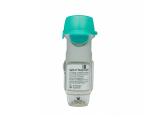
Spiriva (tiotropium bromide) is a long‑acting inhaled anticholinergic bronchodilator indicated for the long‑term, once‑daily maintenance treatment of bronchospasm and airflow obstruction associated with chronic obstructive pulmonary disease (COPD), including chronic bronchitis and emphysema. It is also used as add‑on maintenance therapy in adults with asthma who remain uncontrolled on inhaled corticosteroids and long‑acting beta‑agonists. Tiotropium blocks M3 muscarinic receptors in airway smooth muscle, producing sustained bronchodilation and reducing mucus hypersecretion. Spiriva is not intended for the acute relief of bronchospasm.
Usual adult dose: The dose depends on the formulation. For Spiriva HandiHaler (dry powder capsules), one capsule (18 mcg of tiotropium) is inhaled once daily using the HandiHaler device; the capsule must not be swallowed. For Spiriva Respimat (inhalation solution), the recommended dose is two actuations of 2.5 mcg each (total 5 mcg) once daily at the same time of day. More than one dose in a 24‑hour period must not be taken. If a dose is missed, it should be taken as soon as remembered, but two doses should never be taken on the same day. Regular daily use is essential for optimal benefit, even when asymptomatic.
Dosage form: Spiriva is available as a dry powder for inhalation in hard capsules containing 18 mcg of tiotropium (for use only with the HandiHaler device) and as a clear, colourless solution for oral inhalation in the Respimat cartridge, delivering 2.5 mcg of tiotropium per actuation (60 metered actuations per cartridge). Note: A 9 mcg tiotropium dry powder inhaler is available in Canada under a different brand (Tiova); Spiriva does not come in a 9 mcg strength.
Onset of action: Bronchodilation begins within 30 minutes of inhalation, with peak effect occurring 1 to 3 hours after dosing. Stable improvement in lung function is reached within 48 hours of initiating daily therapy and is sustained with continued use.
Duration of action: The bronchodilator effect persists for approximately 24 hours, allowing for once‑daily dosing. The prolonged duration is due to slow dissociation from M3 receptors and the pharmacokinetics of the inhaled route.
Alcohol recommendation: There is no known direct pharmacokinetic interaction between tiotropium and alcohol. However, excessive alcohol intake may depress respiration, worsen COPD symptoms, and impair the ability to use the inhalation device correctly. Moderation is advised.
Most common side effects: Dry mouth (the most frequently reported adverse effect), pharyngitis, upper respiratory tract infection, sinusitis, and constipation. Anticholinergic effects require caution in patients with narrow‑angle glaucoma, prostatic hyperplasia, or bladder‑neck obstruction. Patients must avoid getting the powder or mist into the eyes, as this may precipitate acute angle‑closure glaucoma. A short‑acting bronchodilator should be carried for acute symptoms; Spiriva is not a rescue medication. If paradoxical bronchospasm occurs after inhalation, treatment should be discontinued and medical attention sought immediately.
Would you like to try Spiriva (Tiotropium Bromide) without a prescription?
+ Next orders 10% discount

+ Next orders 10% discount
+ Package delivery insurance
+ Next orders 10% discount
Buy Generic Spiriva (Tiotropium Bromide) without prescription at Canadian Pharmacy
At our pharmacy, you can buy Spiriva without a prescription, with discreet and anonymous packaging delivered within 5-14 days across Canada.
What is Spiriva?
Spiriva is a maintenance bronchodilator. The active ingredient is tiotropium bromide, a long-acting muscarinic antagonist, or LAMA. It's used every day to keep the airways open in people with chronic obstructive pulmonary disease (COPD), including chronic bronchitis and emphysema. It's also used as an add-on treatment for severe asthma that isn't fully controlled with inhaled steroids and long-acting beta-agonists alone. Spiriva doesn't work fast enough to rescue you during a sudden breathing attack. What it does is work in the background, relaxing the muscles around your airways for a full 24 hours so you breathe easier and have fewer flare-ups.
Spiriva targets the cholinergic pathway. In COPD, the vagus nerve sends constant signals to the airway smooth muscle, telling it to tighten. Tiotropium blocks the receptors that receive those signals, the M3 muscarinic receptors, letting the muscles relax. Because it binds tightly and releases very slowly, a single dose lasts all day. The effect builds over the first few days of use and stays steady as long as you keep taking it. It won't stop an acute attack, but it will reduce how often those attacks happen.
Spiriva comes in two delivery forms in Canada: the HandiHaler, a dry powder inhaler that uses capsules containing 18 mcg of tiotropium bromide (delivering 9 mcg), and the Respimat, a soft mist inhaler that delivers 2.5 mcg per puff. The HandiHaler dose is one capsule inhaled once daily. The Respimat dose is two puffs once daily. Both provide the same 24-hour bronchodilation. The HandiHaler with its 9 mcg delivered dose is the classic formulation that set the standard for LAMA therapy in COPD.
Mechanism and Pharmacology
Tiotropium is an anticholinergic agent with kinetic selectivity for M3 receptors. Acetylcholine released from parasympathetic nerve endings normally binds to M3 receptors on airway smooth muscle, triggering a chain of events that ends in muscle contraction. Tiotropium blocks this binding. It's a competitive antagonist, meaning it sits on the receptor and prevents acetylcholine from locking in. The key difference between tiotropium and shorter-acting muscarinic antagonists like ipratropium is its dissociation half-life. Tiotropium detaches from M3 receptors over 34 hours, so even as the blood levels drop, the receptor stays occupied, providing 24-hour bronchodilation with once-daily dosing. It's selective enough that it doesn't cause the anticholinergic side effects in the bladder or gut as strongly as older, less specific drugs.
The drug is inhaled. With the HandiHaler, about 20 to 25 percent of the dose reaches the lungs. The rest is swallowed and passes through the gut without being absorbed. The fraction that reaches the lungs enters the bloodstream and is excreted by the kidneys, mostly unchanged. The half-life in plasma is 5 to 6 days, but because it dissociates so slowly from the receptor, the clinical effect lasts 24 hours, not days. Steady-state lung effects are reached within 48 hours. The delivered dose of 9 mcg is the amount that actually reaches the lungs, which is the clinically relevant number.
How to Use Spiriva
Using the HandiHaler: Take one capsule from the blister pack and put it in the chamber of the inhaler. Don't swallow the capsule. Push the button to pierce the capsule, then breathe out fully before sealing your lips around the mouthpiece. Inhale deeply and steadily until your lungs are full. You should hear the capsule vibrate or rattle as it spins and releases the powder. Hold your breath for 10 seconds or as long as comfortable, then breathe out slowly. Check the capsule. If there's still powder inside, take a second inhalation from the same capsule to make sure you got the full dose. Throw the empty capsule away.
Using the Respimat: Insert the cartridge, prime the inhaler, and take two slow, deep puffs once daily.
Do this once a day at the same time. Morning is best for most people. Do not use it more than once in 24 hours. Do not swallow the capsules. They won't work. If you miss a dose, take it as soon as you remember, but skip it if it's almost time for the next one. Don't double up.
This is a maintenance inhaler. It will not stop an asthma attack or a sudden COPD exacerbation. You must keep a separate rescue inhaler, like salbutamol, with you at all times. If you find yourself needing the rescue inhaler more often, your lungs need reassessment, not more Spiriva.
Side Effects of Spiriva
The most common side effect is a dry mouth, affecting about 10 to 15 percent of users. It's caused by the local anticholinergic effect on the salivary glands. Sipping water, chewing sugar-free gum, or using a saliva substitute helps. It's usually mild and doesn't force people to stop treatment. Constipation and urinary hesitation can happen, especially in older men with prostate trouble. If you find it hard to urinate or you're passing very little urine, tell your doctor. Blurred vision or eye pain could mean the drug has triggered acute narrow-angle glaucoma, though this is rare when you use the inhaler correctly and don't let the powder blow into your eyes.
Throat irritation, cough, and hoarseness can occur as the powder hits the back of the throat. Rinsing your mouth with water after inhaling helps wash away any residual powder. Paradoxical bronchospasm, where the inhalation itself causes wheezing, is very rare but serious. If your breathing gets worse right after using Spiriva, stop and seek medical help.
Because tiotropium is inhaled, the amount that gets into your bloodstream is tiny. Systemic anticholinergic effects like confusion or rapid heartbeat are not typical at this dose.
High-Risk Groups (Elderly, Pregnancy)
Pregnancy. Tiotropium is category C. There aren't enough human studies to guarantee it's safe, but the inhaled dose is so small that systemic exposure is minimal. If you have severe asthma that requires a LAMA to control, your doctor will weigh the risk of the drug against the risk of uncontrolled asthma, which is a real danger to a developing fetus. Don't stop it on your own.
Breastfeeding. Tiotropium is poorly absorbed orally, and the amount that would reach the infant through breast milk after inhalation is negligible. It's considered compatible with breastfeeding by most guidelines.
Elderly people are the core users of Spiriva for COPD. The dose doesn't need adjustment. The dry mouth and urinary symptoms are more common and more bothersome in this age group. Older men with an enlarged prostate are more likely to develop urinary retention. Staying well hydrated and being aware of this risk allows for early intervention. The 9 mcg dose is still appropriate; a higher dose would increase side effects without additional benefit.
Kidney disease. Tiotropium is eliminated mainly by the kidneys. In moderate to severe renal impairment, drug levels can rise and side effects may increase. The 9 mcg dose is still the standard starting point, but your doctor should monitor your kidney function and side effects more closely. For end-stage renal disease on dialysis, use it only if the benefit is clear.
Angle-closure glaucoma is a contraindication to starting tiotropium. If you have this condition, the drug can increase pressure inside your eye and damage your vision. Let your doctor know if you have any history of eye problems.
Interaction With Activities (Driving, Alcohol)
Spiriva doesn't cause drowsiness or affect your ability to drive. If you get blurred vision or eye pain, which are rare, stop driving and get your eyes checked immediately. Alcohol doesn't interact with the drug. You can drink in moderation. Heavy drinking worsens overall health and doesn't mix well with COPD, but it won't cause a drug interaction.
Drug Interactions
Tiotropium has very few drug interactions because it acts locally in the lung and is not metabolized by liver enzymes. You can use it safely with almost all other medications.
Do not use other inhaled anticholinergics (like ipratropium or umeclidinium) at the same time unless your doctor specifically prescribes them together. The effects are additive and can cause excessive dry mouth, constipation, and urinary retention. Spiriva is often combined with a long-acting beta-agonist like formoterol or olodaterol, and this combination is standard of care for COPD. Just make sure your doctor has designed the regimen.
Alternative Options
Spiriva is the original LAMA that set the standard. Other options exist in the same class, as well as different classes of inhalers.
Other brand versions of tiotropium include generic tiotropium HandiHaler-type devices and the Cipla brand Tiova. They all deliver 9 mcg of tiotropium. The differences are in the device feel and price.
Other LAMAs include glycopyrronium (Seebri) and umeclidinium (Incruse Ellipta). They all provide once-daily bronchodilation and have similar side effect profiles. The differences are in the inhaler devices and the exact duration of receptor binding, but clinically they are equally effective for most people.
The Respimat formulation of Spiriva delivers the same drug in a soft mist that is easier to inhale for some patients and deposits more medication in the lungs. The dose is 2.5 mcg per puff, two puffs once daily. It's often used when patients struggle with the HandiHaler technique or want a smaller device.
Combination inhalers combine a LAMA with a long-acting beta-agonist (LABA), such as tiotropium/olodaterol (Spiolto Respimat) or vilanterol/umeclidinium (Anoro Ellipta). They're often used as a step up from a single bronchodilator to improve lung function and reduce exacerbations further.
Short-acting bronchodilators like salbutamol (Ventolin) are for immediate symptom relief, not prevention. Every COPD patient on a maintenance inhaler should also have a rescue inhaler.
INN, Brand Names, and Classification in Canada
INN (International Nonproprietary Name): Tiotropium bromide
Available brand names in Canada: Spiriva HandiHaler (18 mcg capsule, delivers 9 mcg), Spiriva Respimat (2.5 mcg/puff), and generic tiotropium dry powder inhalers
ATC code: R03BB04
Forms and strengths: HandiHaler: dry powder capsule for inhalation delivering 9 mcg per dose. Respimat: soft mist inhaler delivering 2.5 mcg per puff.
Manufacturers: Boehringer Ingelheim Canada Ltd.
Registration status in Canada: Registered
Classification: Prescription (Rx)
Frequently Asked Questions
Can I use Spiriva for sudden breathing problems?
No. It's a maintenance drug that works over hours and days. Use your rescue inhaler for sudden shortness of breath. If your rescue inhaler doesn't help or your symptoms are severe, get medical help immediately.
How long does it take to work?
Bronchodilation starts within 30 minutes, but the full effect takes a few days of daily use to build up. Take it every day even if you don't feel an immediate rush of relief. The goal is steady background control.
Why does it give me a dry mouth?
Tiotropium blocks the nerve signals that tell your salivary glands to produce spit. Sipping water, chewing sugar-free gum, and rinsing your mouth after inhaling all help. The dry mouth tends to be worst in the first few weeks and then settles.
Can I use Spiriva if I have kidney problems?
Yes, but your doctor should know. The drug is cleared by the kidneys, and if your kidneys aren't working well, the blood levels can rise. You might be more prone to dry mouth or urinary issues. Regular monitoring is all that's needed.
What's the difference between HandiHaler and Respimat?
Both deliver tiotropium. The HandiHaler uses a capsule that you pierce and inhale as a powder. The Respimat delivers a slow-moving soft mist that is easier to inhale for some people and deposits more drug in the lungs. The HandiHaler delivers 9 mcg per dose, the Respimat 5 mcg (2 puffs of 2.5 mcg). Both provide 24-hour relief.
Delivery Information Across Canada
We ship Spiriva to all provinces and territories. Delivery times vary depending on how remote your location is:
- Ontario (Toronto, Ottawa, Mississauga): 5 to 7 days
- Quebec (Montreal, Quebec City, Laval): 5 to 7 days
- British Columbia (Vancouver, Victoria, Burnaby): 5 to 9 days
- Alberta (Calgary, Edmonton, Red Deer): 5 to 9 days
- Manitoba (Winnipeg, Brandon): 5 to 9 days
- Saskatchewan (Saskatoon, Regina): 5 to 9 days
- Nova Scotia (Halifax, Sydney): 5 to 9 days
- New Brunswick (Moncton, Fredericton): 5 to 9 days
- Newfoundland and Labrador (St. John's, Corner Brook): 7 to 14 days
- Prince Edward Island (Charlottetown): 7 to 14 days
- Yukon, Northwest Territories, Nunavut: 7 to 14 days
All shipments are packed discreetly with no branding or indication of contents on the outside.
How to buy Generic Spiriva (Tiotropium Bromide) no prescription from Canadian Pharmacy.
| Shipping method | Delivery time | Price | |
 Delivery Delivery |
14-21 days | 14.95$ | Tracking# available in 4 days |
 Delivery Delivery |
9-14 days | 30$ | Tracking# available in 2 days |


- Shipping worldwide
- Confidentiality and anonymity guarantee
- Safe and secure
- Discrete looking packages
- Dispatch orders within 24 hours
- 100% success delivery


