


 Secure and Reliable
  High quality
  Worldwide shipping
  Bonuses and Discounts
  Money back Guarantee
 - Bestsellers
- Alcoholism
- COVID-19
- Allergy
- Anti Fungal
- Alzheimers
- Anti Viral
- Anti-Depressants
- Anti-Inflammatory
- Antibacterial
- Antiparasitic
- Antibiotics
- Arthritis
- Asthma
- Birth Control
- Blood Pressure
- Cancer
- Cardiovascular
- Cholesterol
- Diabetes
- Diuretics
- Erectile Dysfunction
- Eye Drop
- Gastro Health
- General Health
- Hair Loss
- Hepatitis C Virus (HCV)
- HIV
- Hormones
- Men's ED Packs
- Men's Health
- Mental Illness
- Motion Sickness
- Muscle Relaxant
- Pain Relief
- Parkinson’s Disease
- Veterinary Medicines
- Quit Smoking
- Vitamins
- Skin Care
- Sleeping Aids
- Weight Loss
- Women's Health
Generic Sofosbuvir ( Sofosbuvir )
Sofosbuvir is a direct-acting antiviral agent that inhibits the hepatitis C virus (HCV) NS5B RNA-dependent RNA polymerase, which is essential for viral replication. It is indicated as a component of combination antiviral therapy for the treatment of chronic hepatitis C virus infection in adults and children aged 3 years and older. Sofosbuvir is a nucleotide prodrug that is intracellularly converted to its active triphosphate form, causing chain termination during HCV RNA synthesis. It is active against all major HCV genotypes. Sofosbuvir is never used as monotherapy; it must be combined with other agents such as ribavirin, ledipasvir, velpatasvir, or daclatasvir, depending on the genotype and clinical profile.
Usual adult dose: The recommended dose of sofosbuvir is 400 mg taken orally once daily with or without food. The tablet should be swallowed whole. The specific combination regimen and duration of treatment are determined by HCV genotype, prior treatment history, presence of cirrhosis, and co-infection status. Treatment durations commonly range from 12 to 24 weeks. Sofosbuvir must not be used alone. If a dose is missed and the next dose is not due within 12 hours, the missed dose should be taken as soon as remembered. No dose adjustment is required for mild or moderate renal impairment; in patients with severe renal impairment or end-stage renal disease on hemodialysis, sofosbuvir can be used without dose adjustment, but caution is advised because the major inactive metabolite, GS-331007, accumulates. No dose adjustment is required for mild to moderate hepatic impairment; in decompensated cirrhosis, treatment should be managed by a specialist.
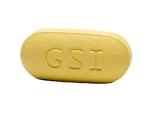
Dosage form: Film-coated tablets: 400 mg (yellow, capsule-shaped, debossed with "SOF" on one side and "400" on the other). Available in bottles of 28 tablets.
Onset of action: Sofosbuvir is rapidly absorbed, with peak plasma concentrations reached approximately 0.5 to 1 hour after oral dosing. Rapid declines in HCV RNA are typically observed within the first weeks of combination therapy. The goal of treatment is sustained virologic response, defined as undetectable HCV RNA 12 weeks after the end of treatment (SVR12), which is considered a virologic cure.
Duration of action: Once-daily dosing maintains therapeutic intracellular concentrations of the active triphosphate. The elimination half-life of the predominant circulating metabolite, GS-331007, is approximately 27 hours, but the pharmacodynamic effect is prolonged. The full treatment course is finite, and SVR12 is assessed after completion.
Alcohol recommendation: Alcohol should be avoided during sofosbuvir therapy. Alcohol may accelerate the progression of underlying liver disease, increase the risk of hepatic decompensation, and impair medication adherence. Patients with chronic hepatitis C should receive counselling on complete alcohol abstinence to optimize treatment outcomes and protect liver function.
Most common side effects: In clinical trials, the most frequently reported adverse effects when sofosbuvir is combined with ribavirin are fatigue, headache, nausea, insomnia, anemia, and pruritus. In interferon-free regimens, the incidence of side effects is generally lower. Anemia is primarily attributable to ribavirin and should be monitored with periodic complete blood counts. Serious bradycardia has been reported when sofosbuvir is co-administered with amiodarone; this combination should be avoided unless no alternative exists, and patients require cardiac monitoring. Sofosbuvir should not be used concurrently with strong P-glycoprotein inducers such as rifampin or St. John's wort, as these may significantly decrease sofosbuvir plasma concentrations and reduce efficacy. Because hepatitis B virus (HBV) reactivation has been reported in HCV/HBV co-infected patients receiving direct-acting antivirals without HBV therapy, all patients should be screened for HBV before starting treatment. Immune reconstitution inflammatory syndrome and hepatic decompensation may occur in patients with advanced cirrhosis. Sofosbuvir is not a cure for all patients and does not prevent transmission of HCV. In Canada, sofosbuvir is available only by prescription and must be prescribed and monitored by a healthcare professional experienced in hepatitis C management.
Would you like to try Sofosbuvir without a prescription?

+ Package delivery insurance
+ Next orders 10% discount

+ Package delivery insurance
+ Next orders 10% discount
Buy Generic Sofosbuvir (Sofosbuvir) without prescription at Canadian Pharmacy
At our pharmacy, you can buy Sofosbuvir without a prescription, with discreet and anonymous packaging delivered within 5-14 days across Canada.
What is Sofosbuvir?
Sofosbuvir is a direct-acting antiviral that cures hepatitis C. It belongs to a class of drugs called nucleotide NS5B polymerase inhibitors. The hepatitis C virus needs an enzyme called NS5B polymerase to copy its genetic material and make new virus particles. Sofosbuvir gets inside infected liver cells, disguises itself as one of the building blocks of RNA, and then blocks the polymerase enzyme. When the virus tries to build its genetic chain, the fake building block gets inserted and the whole process seizes up. No new virus can be made. Over 8 to 12 weeks, the virus is cleared from the blood and the liver. This is a cure, not just a treatment. More than 95 percent of people who complete a course of sofosbuvir-based therapy have no detectable virus six months later.
Sofosbuvir is never used on its own for most hepatitis C genotypes. It is combined with other drugs to attack the virus at different points. Common partners include ledipasvir (in the combination pill Harvoni), velpatasvir (in the combination pill Epclusa), or ribavirin. The choice depends on the genotype of hepatitis C, whether you have cirrhosis, and whether you have been treated before. Sofosbuvir comes as a 400 mg tablet, and the standard dose is one tablet once daily with or without food. The tablet is small, easy to swallow, and well tolerated by most people.
Mechanism and Pharmacology
Sofosbuvir is a prodrug. After it is absorbed, it is metabolized inside liver cells to its active form, a uridine analogue triphosphate. This active metabolite competes with natural uridine triphosphate for incorporation into the growing RNA chain by the hepatitis C virus NS5B polymerase. Once incorporated, the missing hydroxyl group prevents the addition of the next nucleotide, and the viral RNA chain stops. This is chain termination. The hepatitis C virus has a high mutation rate, but the NS5B polymerase active site is highly conserved, so resistance to sofosbuvir is rare and develops slowly. This is a major advantage over older hepatitis C drugs.
Oral absorption of sofosbuvir is good, and food does not significantly affect the total amount absorbed. Peak plasma levels are reached in about 1 hour. The active metabolite has a long intracellular half-life of about 27 hours, which is why once-daily dosing works. Sofosbuvir itself has a plasma half-life of only about 0.5 hours because it is rapidly taken up by the liver and activated. The drug is eliminated mainly by the kidneys, with about 80 percent of the dose appearing in urine as the inactive metabolite. Dose adjustment is not required for mild to moderate kidney impairment, but in severe kidney impairment or end-stage renal disease on dialysis, sofosbuvir-containing regimens require caution and are often avoided or used only under specialist guidance. Liver impairment does not require dose adjustment, even in cirrhosis, but the choice of combination partner may change.
How to Use Sofosbuvir
Take one 400 mg tablet once daily at the same time each day. You can take it with or without food. Swallow the tablet whole with water. Do not crush or chew it. The duration of treatment depends on your specific hepatitis C regimen. Most modern sofosbuvir-based courses last 8 to 12 weeks. Some patients with cirrhosis or previous treatment failure may need 24 weeks, especially if ribavirin is part of the regimen. Your doctor will determine the exact duration based on your genotype, liver status, and treatment history.
If you miss a dose, take it as soon as you remember. If it is almost time for your next dose, skip the missed one and continue on schedule. Do not take two tablets to catch up. Consistency is important for curing hepatitis C. Missing doses can allow the virus to develop resistance and reduce your chance of a cure. Set a daily alarm or link the dose to a regular activity like brushing your teeth. If you vomit within an hour of taking the tablet, call your doctor. You may need to take another dose. Do not stop treatment early. Finish the entire course, even if you feel well. Hepatitis C often causes no symptoms, so feeling fine does not mean the virus is gone. Completing the full course is what delivers the cure.
Side Effects of Sofosbuvir
Sofosbuvir on its own is very well tolerated. The side effects you experience depend on what it is combined with. When taken with ribavirin, the most common side effects are fatigue, headache, nausea, and insomnia. Ribavirin also causes anemia, which can make you feel weak and short of breath. When sofosbuvir is combined with ledipasvir or velpatasvir, the most common complaints are mild headache and tiredness. Many people feel no side effects at all. A slow heart rate (bradycardia) has been reported when sofosbuvir is used with another hepatitis C drug, amiodarone. This combination can be dangerous, and it is generally avoided. Your doctor will ask about all your medications before starting.
Liver function can worsen in some patients during treatment, especially if you have advanced cirrhosis or hepatitis B co-infection. If you have ever had hepatitis B, the virus can reactivate when hepatitis C is cured, causing a severe flare. Your doctor will check your hepatitis B status before starting and may monitor you closely or give you treatment for hepatitis B alongside. Rash and allergic reactions are uncommon but possible. If you develop a spreading rash, swelling, or difficulty breathing, stop the drug and get medical help immediately. Sofosbuvir does not cause the severe flu-like symptoms or depression that older interferon-based treatments did, which is one of the reasons it has transformed hepatitis C care.
High-Risk Groups (Elderly, Pregnancy)
Pregnancy. Sofosbuvir is pregnancy category B. Animal studies have not shown fetal harm, but human data are limited. Ribavirin, however, is strictly contraindicated in pregnancy and for women whose male partners are taking it, because it causes birth defects and fetal death. If your regimen includes ribavirin, you and your partner must use two forms of birth control during treatment and for 6 months after. Sofosbuvir without ribavirin is not known to be harmful, but most hepatitis C treatment in women of childbearing age is deferred until after delivery unless there is an urgent reason. Discuss with your hepatologist and obstetrician.
Breastfeeding is not well studied with sofosbuvir. It is not known whether it passes into breast milk. Because of this uncertainty, breastfeeding is usually not recommended while taking sofosbuvir. If you are nursing and need hepatitis C treatment, talk to your doctor about the safest timing. Elderly patients do not need a dose adjustment for age alone. Sofosbuvir is well tolerated in older adults, but kidney function should be checked because the drug is cleared by the kidneys. The risk of drug interactions is higher in older people who take multiple medications, so a careful medication review is essential. In severe kidney impairment (creatinine clearance below 30 mL per minute), sofosbuvir should be used with caution, and specialist consultation is required. In end-stage renal disease on dialysis, the drug is generally not recommended. Liver impairment does not require dose adjustment, even in cirrhosis, but the presence of decompensated cirrhosis may influence the choice of combination partner.
Interaction With Activities (Driving, Alcohol)
Sofosbuvir does not cause drowsiness or impair alertness. You can drive and operate machinery normally. Alcohol has no direct interaction with sofosbuvir, but drinking while you have hepatitis C is a bad idea. Alcohol accelerates liver damage, and if you have cirrhosis, it can make it worse. For the best chance of a cure and long-term liver health, avoid alcohol during and after treatment. If you drink, keep it light and tell your doctor honestly. Heavy drinking can also make it harder to stay on the medication schedule, which reduces the chance of cure.
Drug Interactions
Sofosbuvir has relatively few drug interactions compared to older hepatitis C drugs. The most serious is with amiodarone, a heart rhythm medication. The combination can cause a dangerously slow heart rate, and cases of fatal cardiac arrest have been reported. This combination should be avoided if possible. If there is no alternative, you will need to be monitored in a hospital setting. Acid-reducing medications can affect the absorption of some hepatitis C combination partners. Proton pump inhibitors like omeprazole can reduce the effectiveness of ledipasvir, one of the drugs commonly combined with sofosbuvir. Your doctor may tell you to take the proton pump inhibitor at a specific time or reduce the dose. Antacids should be separated from the sofosbuvir dose by at least 4 hours.
Certain anticonvulsants, including phenytoin, carbamazepine, and phenobarbital, and the antibiotic rifampin, can lower the levels of sofosbuvir and its partner drugs, making the treatment less effective. These combinations should be avoided or carefully managed. St. John's Wort is also a potent enzyme inducer and should not be taken during hepatitis C treatment. Amiodarone is the one to remember. Always bring a complete list of your medications, supplements, and herbal products to your hepatologist before starting sofosbuvir. Do not start any new medicine during treatment without checking with your pharmacist.
Alternative Options
Sofosbuvir is the backbone of most modern hepatitis C regimens. It is available as a single-component tablet (Sovaldi) and as part of fixed-dose combinations: Harvoni (sofosbuvir plus ledipasvir), Epclusa (sofosbuvir plus velpatasvir), and Vosevi (sofosbuvir plus velpatasvir plus voxilaprevir). These combinations are pangenotypic, meaning they work against all six major genotypes of hepatitis C, and they have simplified treatment enormously. Older regimens used interferon injections plus ribavirin, which had severe side effects and lower cure rates. Interferon is now rarely used. For patients who cannot take sofosbuvir, either because of severe kidney disease or a rare resistance mutation, glecaprevir/pibrentasvir (Maviret) is an alternative direct-acting antiviral regimen that does not contain sofosbuvir. It is also pangenotypic and taken once daily as three tablets with food. The choice of regimen depends on your genotype, prior treatment history, and kidney function. Your hepatologist will select the best option for you.
INN, Brand Names, and Classification in Canada
INN (International Nonproprietary Name): Sofosbuvir
Available brand names in Canada: Sovaldi (sofosbuvir alone), Harvoni (sofosbuvir plus ledipasvir), Epclusa (sofosbuvir plus velpatasvir), Vosevi (sofosbuvir plus velpatasvir plus voxilaprevir)
ATC code: J05AP08
Forms and strengths: Film-coated tablets 400 mg. Sovaldi contains 400 mg sofosbuvir per tablet. Combination products contain different strengths.
Manufacturers: Gilead Sciences Canada Inc.
Registration status in Canada: Registered
Classification: Prescription (Rx)
Frequently Asked Questions
Will sofosbuvir cure my hepatitis C?
In almost all cases, yes. Modern sofosbuvir-based regimens cure more than 95 percent of people, regardless of genotype. The cure is defined as no detectable virus in your blood 12 weeks after finishing treatment. Once cured, the virus is gone for good, though you can be re-infected if you are exposed again.
Can I take sofosbuvir if I have cirrhosis?
Yes. Sofosbuvir works in patients with cirrhosis, including decompensated cirrhosis. The specific combination and duration may differ. You may need to be monitored more closely for side effects, but cirrhosis is not a reason to avoid treatment. In fact, curing hepatitis C in someone with cirrhosis reduces the risk of liver failure and liver cancer.
How long is a typical course?
Most people take sofosbuvir-based therapy for 8 to 12 weeks. Some regimens for difficult-to-treat cases last 24 weeks. Your doctor will tell you the exact duration. Never stop early, even if you feel fine.
Does sofosbuvir interact with my heart medication?
It can. The combination of sofosbuvir with amiodarone can cause a dangerously slow heart rate. Tell your doctor about every medication you take, especially heart drugs. If you are on amiodarone, your doctor will likely choose a different hepatitis C regimen or monitor you in the hospital.
Can I drink alcohol while on sofosbuvir?
It's strongly discouraged. Alcohol damages the liver, and you are trying to heal your liver. Drinking during and after treatment can reduce the benefit of the cure. The safest approach is to stop alcohol entirely.
Delivery Information Across Canada
We ship Sofosbuvir to all provinces and territories. Delivery times vary depending on how remote your location is:
- Ontario (Toronto, Ottawa, Mississauga): 5 to 7 days
- Quebec (Montreal, Quebec City, Laval): 5 to 7 days
- British Columbia (Vancouver, Victoria, Burnaby): 5 to 9 days
- Alberta (Calgary, Edmonton, Red Deer): 5 to 9 days
- Manitoba (Winnipeg, Brandon): 5 to 9 days
- Saskatchewan (Saskatoon, Regina): 5 to 9 days
- Nova Scotia (Halifax, Sydney): 5 to 9 days
- New Brunswick (Moncton, Fredericton): 5 to 9 days
- Newfoundland and Labrador (St. John's, Corner Brook): 7 to 14 days
- Prince Edward Island (Charlottetown): 7 to 14 days
- Yukon, Northwest Territories, Nunavut: 7 to 14 days
All shipments are packed discreetly with no branding or indication of contents on the outside.
How to buy Generic Sofosbuvir (Sofosbuvir) no prescription from Canadian Pharmacy.
| Shipping method | Delivery time | Price | |
 Delivery Delivery |
14-21 days | 14.95$ | Tracking# available in 4 days |
 Delivery Delivery |
9-14 days | 30$ | Tracking# available in 2 days |


- Shipping worldwide
- Confidentiality and anonymity guarantee
- Safe and secure
- Discrete looking packages
- Dispatch orders within 24 hours
- 100% success delivery


