


 Secure and Reliable
  High quality
  Worldwide shipping
  Bonuses and Discounts
  Money back Guarantee
 - Bestsellers
- Alcoholism
- COVID-19
- Allergy
- Anti Fungal
- Alzheimers
- Anti Viral
- Anti-Depressants
- Anti-Inflammatory
- Antibacterial
- Antiparasitic
- Antibiotics
- Arthritis
- Asthma
- Birth Control
- Blood Pressure
- Cancer
- Cardiovascular
- Cholesterol
- Diabetes
- Diuretics
- Erectile Dysfunction
- Eye Drop
- Gastro Health
- General Health
- Hair Loss
- Hepatitis C Virus (HCV)
- HIV
- Hormones
- Men's ED Packs
- Men's Health
- Mental Illness
- Motion Sickness
- Muscle Relaxant
- Pain Relief
- Parkinson’s Disease
- Veterinary Medicines
- Quit Smoking
- Vitamins
- Skin Care
- Sleeping Aids
- Weight Loss
- Women's Health
Generic Sinemet Cr ( Carbidopa / Levodopa )
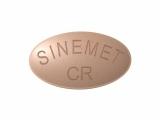
Sinemet CR (carbidopa/levodopa) is a controlled‑release combination of an aromatic amino acid decarboxylase inhibitor and the metabolic precursor of dopamine. It is indicated for the treatment of the symptoms of idiopathic Parkinson's disease, post‑encephalitic parkinsonism, and symptomatic parkinsonism that may follow injury to the nervous system by carbon monoxide or manganese intoxication. Levodopa is converted to dopamine in the brain, replenishing depleted striatal dopamine, while carbidopa inhibits peripheral decarboxylation of levodopa, allowing more levodopa to reach the central nervous system and reducing peripheral side effects such as nausea. The controlled‑release formulation provides slower and more sustained levodopa plasma concentrations, which may reduce motor fluctuations in some patients.
Usual adult dose: For patients not currently receiving levodopa, the recommended starting dose is one Sinemet CR 25/100 mg tablet twice daily, with doses taken at intervals of at least 6 hours. The dose may be increased gradually by 1 tablet every 1 to 2 days, or at longer intervals, until an optimal response is achieved. Usual maintenance dosing ranges from 2 to 8 tablets per day (total daily levodopa 200 mg to 800 mg) in divided doses, with the 25/100 mg strength allowing fine titration. Doses should be swallowed whole and must not be crushed or chewed. Sinemet CR is not recommended for patients who require a rapid onset of effect, and it should not be used for the acute relief of parkinsonian symptoms. Conversion from immediate‑release carbidopa/levodopa to Sinemet CR requires careful recalculation by the prescriber. If a dose is missed, the patient should take it as soon as remembered, but two doses should not be taken too close together. Abrupt withdrawal or rapid dose reduction may cause a neuroleptic malignant‑like syndrome and must be avoided.
Dosage form: Controlled‑release (extended‑release) tablets: 25 mg carbidopa and 100 mg levodopa per tablet. The tablets are oval, biconvex, and available in distinctive colours; the 25/100 mg strength is usually tan or peach‑coloured, imprinted with the product code. Available in bottles of 100 tablets.
Onset of action: The onset of clinical effect is slower than with immediate‑release formulations because of the controlled‑release matrix. A single dose may begin to relieve parkinsonian symptoms within 30 to 60 minutes in some patients, but the full benefit of dose titration may not be apparent for several days to weeks. Steady motor improvement typically develops after 1 to 2 weeks of dose adjustment.
Duration of action: The controlled‑release formulation provides a more sustained levodopa plasma concentration, with the effect of each dose generally lasting 4 to 6 hours, and in some patients up to 8 hours. This permits less frequent dosing and may reduce end‑of‑dose wearing‑off phenomena compared with immediate‑release levodopa. The elimination half‑life of levodopa in the presence of carbidopa is approximately 1.5 hours, but the clinical effect is prolonged by the formulation.
Alcohol recommendation: Alcohol should be used with caution during treatment with Sinemet CR. Alcohol may increase the central nervous system depressant effects of levodopa, worsening drowsiness, dizziness, and orthostatic hypotension. It can also interfere with the absorption and metabolism of levodopa. Patients should avoid excessive alcohol intake and observe how they respond before driving or performing hazardous tasks.
Most common side effects: Dyskinesias (involuntary movements), nausea, dizziness, orthostatic hypotension, confusion, hallucinations, insomnia, and dry mouth. Nausea may be reduced by taking the dose with food, although a high‑protein meal can compete with levodopa transport and reduce its effect. Dyskinesias and mental changes are dose‑related and may require dose reduction. Orthostatic hypotension can occur at any time; patients should be advised to rise slowly from sitting or lying positions. Hallucinations and psychotic‑like behaviour are more common in elderly patients and those with pre‑existing cognitive impairment; if they occur, the dose may need to be reduced or the drug discontinued under supervision. In rare cases, severe depression or suicidal ideation may emerge. Neuroleptic malignant syndrome with hyperpyrexia and muscle rigidity has been reported after sudden dose reduction or discontinuation. Patients should be monitored for signs of compulsive behaviours, including pathological gambling, hypersexuality, and binge eating, which have been associated with dopaminergic therapy. Sinemet CR is not a rescue medication for acute parkinsonian crisis and must be titrated only by a healthcare professional experienced in movement disorders.
Would you like to try Sinemet CR (Carbidopa / Levodopa) without a prescription?
+ Next orders 10% discount

+ Next orders 10% discount
+ Next orders 10% discount
+ Next orders 10% discount
+ Next orders 10% discount
+ Package delivery insurance
+ Next orders 10% discount
Buy Generic Sinemet Cr (Carbidopa / Levodopa) without prescription at Canadian Pharmacy
At our pharmacy, you can buy Sinemet CR without a prescription, with discreet and anonymous packaging delivered within 5-14 days across Canada.
What is Sinemet CR?
Sinemet CR is a controlled-release medication for Parkinson's disease. It contains two active ingredients: levodopa, the immediate precursor to dopamine, and carbidopa, which prevents levodopa from being broken down before it reaches the brain. Parkinson's disease destroys the neurons that produce dopamine. Without dopamine, movement becomes slow, stiff, and shaky. Levodopa crosses into the brain and is converted to dopamine, restoring the chemical balance. Carbidopa stays outside the brain and blocks the enzyme that would otherwise destroy levodopa in the bloodstream, allowing a much smaller dose of levodopa to work and reducing nausea.
The "CR" stands for controlled release. Unlike standard Sinemet, which acts quickly and wears off in a few hours, Sinemet CR releases the medication gradually over 4 to 6 hours. This smooths out the peaks and valleys of dopamine levels. For many people, it means fewer "off" periods, those times when the medication stops working and movement freezes up again. It's particularly helpful for wearing-off symptoms at the end of a dose or for nighttime stiffness. The 25/100 strength means each tablet contains 25 mg of carbidopa and 100 mg of levodopa, a common starting and maintenance combination. It does not work instantly. The effect builds over days to weeks as your body adjusts to a steady supply of levodopa.
Mechanism and Pharmacology
Levodopa is the amino acid precursor to dopamine. It enters the brain through the large neutral amino acid transporter, where it's taken up by remaining dopaminergic neurons and converted to dopamine by the enzyme aromatic L-amino acid decarboxylase. Carbidopa inhibits this same enzyme, but it doesn't cross the blood-brain barrier, so it only blocks the peripheral conversion of levodopa. This means more levodopa reaches the brain intact, and the peripheral side effects, especially nausea and vomiting, are dramatically reduced. Sinemet CR embeds the drugs in a slowly eroding matrix, so absorption is delayed and prolonged compared to the immediate-release formulation.
The plasma half-life of levodopa is short, about 50 minutes without carbidopa, but with carbidopa the half-life extends to about 1.5 hours. The clinical effect, however, lasts much longer because dopamine stored in neurons is released gradually. With the controlled-release formulation, peak plasma concentration is lower and occurs later, around 2 hours after a dose, and the effect is sustained. The drug is eliminated by the kidneys after being metabolized to dopamine and other products. Long-term use leads to motor complications, dyskinesia (involuntary movements) and wearing-off, because the disease itself progresses and the brain's ability to store dopamine declines. Sinemet CR is a bridge, not a cure. It replaces what the brain can no longer make, but it doesn't stop the underlying degeneration.
How to Use Sinemet CR
Dosing is highly individualized. Your doctor will start low and adjust slowly. A typical starting dose for someone not previously on levodopa is one tablet of 25/100 three times a day, with meals, but many patients need to be titrated upward. If you're switching from immediate-release Sinemet, your doctor will calculate the equivalent daily dose of the controlled-release form. Because the CR tablet releases slowly, you may need a slightly higher total daily dose to get the same effect as immediate-release. The tablet must be swallowed whole. Do not crush, chew, or break it. Crushing destroys the controlled-release matrix and dumps the full dose at once, causing a sudden flood of dopamine and severe side effects.
Take it with or without food. If it causes nausea, taking it with a light snack can help, but high-protein meals compete with levodopa for absorption in the gut, so a heavy steak dinner right before a dose might reduce the effect. Consistency matters more than timing. Keep a steady schedule and take each dose at the same times every day. If you miss a dose, take it as soon as you remember, unless it's almost time for your next one. Never double up. Do not stop suddenly. Abrupt withdrawal can cause a severe syndrome with high fever, muscle rigidity, and confusion, a condition called neuroleptic malignant syndrome, even though it's rare with levodopa. Taper only under medical supervision. Your doctor will check your kidney and liver function, and you'll need regular visits to fine-tune the dose as the disease progresses.
Side Effects of Sinemet CR
The most common side effects are gastrointestinal: nausea, vomiting, and loss of appetite. These are less frequent with Sinemet CR than with levodopa alone because carbidopa blocks peripheral conversion. Taking the tablet with food helps. Dizziness and lightheadedness, especially when standing up quickly, can happen because levodopa lowers blood pressure. Rise slowly from sitting or lying. Confusion, hallucinations, and vivid dreams can occur, particularly in older adults. These are often dose-related and may improve with a lower dose or an adjustment in timing.
Dyskinesia, involuntary writhing or jerking movements of the face, arms, or legs, is a long-term complication. It's not a sign of toxicity but a result of fluctuating dopamine levels. The controlled-release form may reduce dyskinesia compared to immediate-release in some patients, but it can also cause unpredictable "on-off" fluctuations, where you suddenly switch from moving well to freezing. This is less common with CR but still possible. A darkening of urine, saliva, or sweat to a reddish-brown colour is harmless. It's the pigment from levodopa. A rare but serious side effect is impulse control disorder: compulsive gambling, shopping, eating, or hypersexuality. If you or your family notice these behaviours, tell your doctor immediately. Lowering the dose often reverses them. Hallucinations that are severe or frightening need prompt attention. Do not let them slide.
High-Risk Groups (Elderly, Pregnancy)
Pregnancy. Sinemet CR is category C. There are no adequate human studies. Levodopa crosses the placenta, and in animal studies, high doses caused fetal abnormalities. Parkinson's disease is rare in reproductive-age women, but if you are pregnant or planning to be, you and your neurologist and obstetrician must weigh the risks. Uncontrolled Parkinson's can make you rigid and unable to care for yourself, but the drug may not be safe for the baby. Other medications are often tried first if possible.
Breastfeeding. Levodopa passes into breast milk and can suppress lactation. It's not recommended to breastfeed while taking Sinemet CR. Discuss alternatives with your doctor.
Elderly patients are the main users. They are more sensitive to the psychiatric side effects: confusion, hallucinations, and orthostatic hypotension leading to falls. Start with the lowest possible dose and titrate slowly. Frequent falls are a real danger. Men with a history of heart disease need monitoring because levodopa can cause arrhythmias. Patients with a history of peptic ulcer should be cautious; levodopa can irritate the stomach lining. People with narrow-angle glaucoma need intraocular pressure monitored, as levodopa can raise it. If you have a history of melanoma or suspicious skin lesions, your dermatologist should be involved, because levodopa is a precursor to melanin and there is a theoretical concern. Kidney and liver impairment may require dose adjustment, though the drug is mainly excreted by the kidneys.
Interaction With Activities (Driving, Alcohol)
Sinemet CR can cause dizziness, somnolence, and episodes of sudden sleep onset without warning. Some people fall asleep while driving or operating machinery. If you experience sudden sleep attacks, do not drive. Even if you haven't, be alert to the risk, especially when first starting or after a dose increase. The disease itself, with its freezing and stiffness, may also make driving unsafe. Alcohol worsens the dizziness and sedation, and it can increase the risk of orthostatic hypotension. Heavy drinking also interferes with sleep and can worsen motor fluctuations. Moderate alcohol may be okay for some, but it's wise to keep it to a minimum.
Drug Interactions
The most important interaction is with non-selective monoamine oxidase inhibitors (MAOIs), like phenelzine and tranylcypromine. Taking these with levodopa can cause a hypertensive crisis. They must be stopped at least two weeks before starting Sinemet CR. Selective MAO-B inhibitors, like selegiline and rasagiline, are actually used with levodopa, but they can increase dyskinesia, so the levodopa dose may need to be reduced. Antipsychotics, especially typical ones like haloperidol, block dopamine receptors and will make Sinemet CR ineffective. If you need an antipsychotic, an atypical one like quetiapine or clozapine is preferred. Metoclopramide, a drug for nausea, also blocks dopamine and should be avoided. Domperidone is a safer alternative for nausea. Iron supplements can reduce levodopa absorption; separate them by at least 2 hours. High-protein diets can interfere with the transport of levodopa into the brain, so some patients are advised to take their doses 30 minutes before meals or to redistribute protein intake.
Alternative Options
The first-line alternative to Sinemet CR is immediate-release carbidopa/levodopa, which works faster and is easier to fine-tune but lasts only 3 to 4 hours. Dopamine agonists, like pramipexole and ropinirole, mimic dopamine directly and are often used early in the disease, especially in younger patients, to delay the need for levodopa. They have a different side effect profile, with more daytime sleepiness and impulse control issues. MAO-B inhibitors like rasagiline are mild and can be used alone early on. COMT inhibitors like entacapone are added to levodopa to prolong its effect and reduce wearing-off. For advanced disease, deep brain stimulation surgery is an option for some patients. The choice depends on your age, symptom severity, and tolerance for side effects. Sinemet CR occupies a useful niche for people who need smoother, longer-lasting coverage than immediate-release tablets can provide.
INN, Brand Names, and Classification in Canada
INN (International Nonproprietary Names): Carbidopa and Levodopa
Available brand names in Canada: Sinemet, Sinemet CR, and generic carbidopa/levodopa controlled-release tablets
ATC code: N04BA02
Forms and strengths: Controlled-release tablets 25/100 mg, 50/200 mg, 25/250 mg. The 25/100 mg contains 25 mg carbidopa and 100 mg levodopa per tablet.
Manufacturers: Merck Canada Inc. (Sinemet CR), and diverse generic manufacturers including Apotex Inc., Teva Canada Limited, and Sandoz Canada Inc.
Registration status in Canada: Registered
Classification: Prescription (Rx)
Frequently Asked Questions
Can I break Sinemet CR in half?
No. The controlled-release matrix is destroyed by crushing or splitting. If you need a smaller dose, your doctor will prescribe a different strength or a different formulation. Breaking the tablet will cause the drug to release all at once, which can be dangerous.
Why does it take longer to feel the effect compared to regular Sinemet?
Because the tablet is designed to release slowly. You won't get the quick "on" that immediate-release gives. The benefit is that the effect lasts longer and is smoother, but the onset is slower, usually about 2 hours to peak. Plan your activities accordingly.
What if I experience sudden sleepiness during the day?
This is a known side effect. Do not drive or operate machinery until you've discussed it with your doctor. Reducing the dose or changing the timing may help. Some people also find that a short nap scheduled into the day reduces the risk.
Can I take Sinemet CR with food?
Yes, but a high-protein meal can reduce the amount of levodopa that reaches your brain. For best results, take it with a light, low-protein snack if nausea is a problem, or separate your dose from large protein meals by about 30 minutes.
Delivery Information Across Canada
We ship Sinemet CR and generic carbidopa/levodopa controlled-release tablets to all provinces and territories. Delivery times vary depending on how remote your location is:
- Ontario (Toronto, Ottawa, Mississauga): 5 to 7 days
- Quebec (Montreal, Quebec City, Laval): 5 to 7 days
- British Columbia (Vancouver, Victoria, Burnaby): 5 to 9 days
- Alberta (Calgary, Edmonton, Red Deer): 5 to 9 days
- Manitoba (Winnipeg, Brandon): 5 to 9 days
- Saskatchewan (Saskatoon, Regina): 5 to 9 days
- Nova Scotia (Halifax, Sydney): 5 to 9 days
- New Brunswick (Moncton, Fredericton): 5 to 9 days
- Newfoundland and Labrador (St. John's, Corner Brook): 7 to 14 days
- Prince Edward Island (Charlottetown): 7 to 14 days
- Yukon, Northwest Territories, Nunavut: 7 to 14 days
All shipments are packed discreetly with no branding or indication of contents on the outside.
How to buy Generic Sinemet Cr (Carbidopa / Levodopa) no prescription from Canadian Pharmacy.
| Shipping method | Delivery time | Price | |
 Delivery Delivery |
14-21 days | 14.95$ | Tracking# available in 4 days |
 Delivery Delivery |
9-14 days | 30$ | Tracking# available in 2 days |


- Shipping worldwide
- Confidentiality and anonymity guarantee
- Safe and secure
- Discrete looking packages
- Dispatch orders within 24 hours
- 100% success delivery


