


 Secure and Reliable
  High quality
  Worldwide shipping
  Bonuses and Discounts
  Money back Guarantee
 - Bestsellers
- Alcoholism
- COVID-19
- Allergy
- Anti Fungal
- Alzheimers
- Anti Viral
- Anti-Depressants
- Anti-Inflammatory
- Antibacterial
- Antiparasitic
- Antibiotics
- Arthritis
- Asthma
- Birth Control
- Blood Pressure
- Cancer
- Cardiovascular
- Cholesterol
- Diabetes
- Diuretics
- Erectile Dysfunction
- Eye Drop
- Gastro Health
- General Health
- Hair Loss
- Hepatitis C Virus (HCV)
- HIV
- Hormones
- Men's ED Packs
- Men's Health
- Mental Illness
- Motion Sickness
- Muscle Relaxant
- Pain Relief
- Parkinson’s Disease
- Veterinary Medicines
- Quit Smoking
- Vitamins
- Skin Care
- Sleeping Aids
- Weight Loss
- Women's Health
Generic Nolvadex ( Tamoxifen )
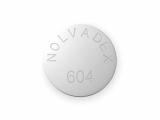
Nolvadex (tamoxifen citrate) is a selective estrogen receptor modulator (SERM) indicated for the treatment of estrogen receptor-positive breast cancer, for the adjuvant treatment of early breast cancer following surgery, for the reduction of breast cancer risk in women at high risk, and for the reduction of invasive breast cancer after surgery and radiation for ductal carcinoma in situ (DCIS). In breast tissue, tamoxifen acts as an estrogen antagonist by competitively binding to estrogen receptors, blocking the growth-stimulating effects of estrogen on tumour cells. In other tissues, such as bone and endometrium, it has partial estrogen agonist activity. Tamoxifen is effective only in hormone receptor-positive disease and is not a cytotoxic chemotherapy agent.
Usual adult dose: For adjuvant treatment of early breast cancer, the recommended dose is 20 mg taken orally once daily, or 10 mg taken twice daily, for 5 years. For advanced or metastatic breast cancer, the dose may be increased to 20 mg twice daily (40 mg total daily) in selected patients, although 20 mg once daily is the standard initial dose. For breast cancer risk reduction in high-risk women and for DCIS, the dose is 20 mg once daily for 5 years. Nolvadex may be taken with or without food, and the tablets should be swallowed whole with water. If a dose is missed, it should be taken as soon as remembered unless it is close to the next scheduled dose; two doses must not be taken at the same time. No dose adjustment is required for elderly patients or those with mild renal or hepatic impairment, but caution is advised in severe hepatic impairment. Treatment duration and additional therapy are determined by the oncologist.
Dosage form: Film-coated tablets: 10 mg (white to off-white, round, biconvex) and 20 mg (white to off-white, round or octagonal, biconvex). Available in blister packs or bottles of 30 or 100 tablets.
Onset of action: Steady-state plasma concentrations of tamoxifen are reached after approximately 4 weeks of daily dosing, while the active metabolite N-desmethyltamoxifen reaches steady state after approximately 8 weeks. Clinical benefit in breast cancer, including reduction in recurrence risk and tumour regression, is assessed over months to years of continuous therapy.
Duration of action: The elimination half-life of tamoxifen is approximately 5 to 7 days, and the half-life of the active metabolite is approximately 14 days. The anti-estrogenic effect persists for weeks after discontinuation due to the long half-life, but once-daily or twice-daily dosing is used to maintain continuous receptor blockade.
Alcohol recommendation: No direct interaction between tamoxifen and alcohol has been clearly established. However, excessive alcohol consumption may increase the risk of hot flashes, liver dysfunction, and thromboembolic events, and can impair overall treatment tolerance. Patients should limit alcohol intake and discuss any concerns with their oncologist.
Most common side effects: Hot flashes, vaginal discharge, irregular menstrual bleeding, nausea, fatigue, and mood changes. Menstrual irregularities and hot flashes are common and may be managed with supportive measures. More serious adverse effects include venous thromboembolism (deep vein thrombosis and pulmonary embolism), endometrial hyperplasia, endometrial cancer, and uterine sarcoma. The risk of endometrial cancer is increased approximately 2- to 3-fold in postmenopausal women and requires prompt investigation of any abnormal vaginal bleeding. Other effects include cataracts, fluid retention, and bone pain. In premenopausal women, tamoxifen may induce ovarian hyperstimulation and increase the risk of pregnancy; effective non-hormonal contraception is required. Tamoxifen is contraindicated during pregnancy due to the risk of fetal harm. Because tamoxifen is metabolized by CYP2D6, concurrent use of strong CYP2D6 inhibitors (e.g., paroxetine, fluoxetine, bupropion) may reduce its efficacy and should be avoided when possible. Nolvadex is available only by prescription and must be prescribed and monitored by a healthcare professional experienced in oncology.
Would you like to try Nolvadex (Tamoxifen) without a prescription?

+ Next orders 10% discount

+ Next orders 10% discount
+ Next orders 10% discount
+ Next orders 10% discount
+ Next orders 10% discount
+ Next orders 10% discount
+ Next orders 10% discount
+ Next orders 10% discount
+ Next orders 10% discount
+ Next orders 10% discount
+ Next orders 10% discount
+ Next orders 10% discount
+ Next orders 10% discount
+ Next orders 10% discount
+ Next orders 10% discount
+ Package delivery insurance
+ Next orders 10% discount
Buy Generic Nolvadex (Tamoxifen) without prescription at Canadian Pharmacy
At our pharmacy, you can buy Nolvadex without a prescription, with discreet and anonymous packaging delivered within 5-14 days across Canada.
What is Nolvadex?
Nolvadex is a hormonal therapy used primarily to treat and prevent breast cancer. The active ingredient is tamoxifen citrate, a selective estrogen receptor modulator (SERM). It works by attaching to estrogen receptors on breast cancer cells, blocking the estrogen that would otherwise fuel tumour growth. In premenopausal women, the ovaries produce significant estrogen, so tamoxifen is a key treatment option because it does not lower estrogen levels systemically but rather blocks its action specifically in breast tissue. In postmenopausal women, it is also used, though aromatase inhibitors are often preferred in that setting.
Nolvadex is not chemotherapy. It is a daily pill that changes how the body responds to estrogen. The effect is measured over months and years. It is used as adjuvant therapy after surgery to reduce the risk of recurrence, as first-line treatment for metastatic breast cancer, and as a preventive agent in women at high risk of developing breast cancer. The standard dose is 20 mg once daily, but 10 mg is sometimes used for specific situations, such as dose reduction for side effects or in certain preventive protocols. Nolvadex is manufactured by AstraZeneca and is available as generic tamoxifen.
Mechanism and Pharmacology
Tamoxifen is a prodrug that is metabolized in the liver to its active metabolites, primarily endoxifen and 4-hydroxytamoxifen. These metabolites bind to estrogen receptors, competing with endogenous estrogen. In breast tissue, tamoxifen acts as an estrogen antagonist, blocking the proliferative signals that estrogen sends to hormone receptor-positive cancer cells. However, in other tissues like the endometrium and bone, it can act as a partial agonist, which explains both its beneficial effects on bone density and its risk of endometrial hyperplasia and cancer.
After oral administration, tamoxifen is well absorbed, with peak plasma levels reached in about 5 hours. It is extensively metabolized by CYP2D6 and CYP3A4, among other enzymes. The half-life of tamoxifen itself is about 5 to 7 days, but the active metabolite endoxifen has a longer half-life, and steady-state is reached after about 4 weeks. This long half-life means that missing a dose occasionally has less impact than with shorter-acting drugs. Tamoxifen is excreted primarily in the feces. Liver function and genetic variations in CYP2D6 can affect the levels of active metabolites, which may influence efficacy. Patients taking strong CYP2D6 inhibitors may have reduced conversion to endoxifen, potentially reducing effectiveness. This interaction is important and will be discussed later.
How to Use Nolvadex
The standard dose is 20 mg once daily, taken at the same time each day. The tablet can be taken with or without food. Swallow the tablet whole with water. Do not crush or chew it. For women at high risk of breast cancer, the same 20 mg daily dose is used for 5 years. In some cases, a 10 mg dose may be prescribed, either as a starting dose to reduce side effects or as a maintenance dose if the full dose is not tolerated. Always follow your oncologist's instructions exactly.
If you miss a dose, take it as soon as you remember, unless it is almost time for the next dose. In that case, skip the missed one and continue with your regular schedule. Do not double up. Because of the long half-life, an occasional missed dose is not usually critical, but consistency is important for the full preventive benefit. Nolvadex is typically taken for 5 years as adjuvant therapy, and sometimes up to 10 years in certain high-risk situations. Do not stop taking it without discussing with your oncologist. Stopping early reduces the benefit and may allow the cancer to return.
Your doctor will monitor you regularly, including gynecological examinations because tamoxifen increases the risk of endometrial changes. Any unusual vaginal bleeding should be reported immediately. Bone density may be checked periodically, as tamoxifen can have either beneficial or neutral effects on bone depending on menopausal status. If you are premenopausal, tamoxifen may cause irregular periods or amenorrhea. This is expected.
Side Effects of Nolvadex
The most common side effects are similar to menopausal symptoms: hot flashes, night sweats, and vaginal dryness. These are caused by the anti-estrogen effect in the brain and vaginal tissues. They can be managed with lifestyle changes, lubricants, and sometimes medications. Some women also experience nausea, fatigue, and mood changes, especially in the first few months. These often improve over time as the body adjusts.
A more serious side effect is an increased risk of blood clots, including deep vein thrombosis and pulmonary embolism. This risk is higher in women who smoke, are obese, or have a history of clotting disorders. Symptoms include sudden leg swelling, pain, redness, or shortness of breath. Seek emergency care if these occur. Tamoxifen also increases the risk of endometrial cancer, although the absolute risk is low. This is why regular gynecological monitoring is essential. Any abnormal vaginal bleeding or spotting should be reported. Rarely, tamoxifen can cause liver toxicity, presenting with jaundice or abdominal pain. It can also cause cataracts and other eye problems. Regular eye exams are recommended for long-term users. In premenopausal women, tamoxifen can cause ovarian cysts, which are usually benign but may require monitoring.
High-Risk Groups (Elderly, Pregnancy)
Pregnancy. Tamoxifen is absolutely contraindicated during pregnancy. It can cause fetal harm and should never be used by a woman who is pregnant or may become pregnant. Women of childbearing age must use effective non-hormonal contraception during treatment and for at least 2 months after the last dose, because tamoxifen and its metabolites linger in the body. If pregnancy occurs, the drug must be stopped immediately. Breastfeeding is also contraindicated, as tamoxifen may pass into breast milk and suppress lactation.
Elderly women can use tamoxifen, but they may be more susceptible to blood clots and endometrial changes. The dose is the same, but monitoring should be vigilant. Patients with a history of blood clots, stroke, or endometrial hyperplasia should use tamoxifen with caution or consider an alternative. Liver function should be checked before starting, and the drug should be used cautiously in patients with severe liver impairment. Kidney function does not require dose adjustment. Women with a history of cataracts or other eye problems should have regular ophthalmologic exams. Those who are CYP2D6 poor metabolizers may not activate tamoxifen effectively, and alternative therapy should be considered, especially in postmenopausal women where aromatase inhibitors are an option.
Interaction With Activities (Driving, Alcohol)
Tamoxifen can cause fatigue, dizziness, and visual changes. If you experience these, don't drive or operate machinery until they resolve. The visual changes, such as blurred vision or cataracts, can be gradual, so regular eye check-ups are important. Alcohol has no direct interaction with tamoxifen, but heavy drinking can increase the risk of liver toxicity and blood clots. It is best to keep alcohol consumption moderate or avoid it. If you drink, be honest with your doctor about the amount.
Drug Interactions
The most clinically important interaction is with strong CYP2D6 inhibitors, which can reduce the conversion of tamoxifen to its active metabolite endoxifen, potentially making the treatment less effective. Drugs that strongly inhibit CYP2D6 include paroxetine, fluoxetine, bupropion, quinidine, and some antipsychotics. Paroxetine and fluoxetine are commonly used antidepressants and should be avoided in women taking tamoxifen. If an antidepressant is needed, venlafaxine or citalopram are preferred because they have less effect on CYP2D6. Always tell your oncologist and pharmacist about every medication you take, including over-the-counter drugs and supplements, because many can interact.
Tamoxifen can also increase the effects of warfarin and other anticoagulants, raising the risk of bleeding. If you are on warfarin, your INR will be monitored closely. Hormonal contraceptives containing estrogen should not be used while taking tamoxifen, as they can stimulate breast cancer growth. Use a non-hormonal method like a copper IUD or barrier methods. Tamoxifen may reduce the effectiveness of letrozole or anastrozole if used together, but these combinations are generally avoided in the adjuvant setting because aromatase inhibitors are used after tamoxifen, not simultaneously. Rifampin and other CYP3A4 inducers can lower tamoxifen levels, though the clinical significance is less clear than with CYP2D6 inhibitors.
Alternative Options
For premenopausal women with hormone receptor-positive breast cancer, tamoxifen is the standard hormonal therapy. Ovarian suppression with LHRH agonists like goserelin or leuprolide, combined with an aromatase inhibitor, is an alternative in high-risk cases, but this approach is more complex and has significant menopausal side effects. For postmenopausal women, aromatase inhibitors such as anastrozole, letrozole, or exemestane are generally preferred because they are slightly more effective and have a different side effect profile, though they increase the risk of osteoporosis and joint pain. For women at high risk of breast cancer, tamoxifen and raloxifene (another SERM) are both approved for prevention. Raloxifene has a lower risk of endometrial cancer and blood clots but may be slightly less effective in reducing invasive breast cancer. The choice depends on the woman's menopausal status, risk factors, and tolerance. For advanced breast cancer that has progressed on tamoxifen or aromatase inhibitors, fulvestrant or CDK4/6 inhibitors are used. Your oncologist will determine the best option based on your specific situation.
INN, Brand Names, and Classification in Canada
INN (International Nonproprietary Name): Tamoxifen citrate
Available brand names in Canada: Nolvadex, and generic tamoxifen
ATC code: L02BA01
Forms and strengths: Tablets 10 mg and 20 mg. The standard dose is 20 mg once daily; 10 mg is used for dose reduction or specific protocols.
Manufacturers: AstraZeneca Canada Inc. (Nolvadex), and diverse generic manufacturers including Apotex Inc., Teva Canada Limited, and Sandoz Canada Inc.
Registration status in Canada: Registered
Classification: Prescription (Rx)
Frequently Asked Questions
How long will I need to take Nolvadex?
For adjuvant treatment, the usual duration is 5 years, and some women continue for up to 10 years based on risk. For prevention in high-risk women, 5 years is standard. For metastatic breast cancer, it is continued as long as it works and side effects are manageable. Your oncologist will specify your duration.
Will Nolvadex cause weight gain?
Weight gain is not a typical side effect of tamoxifen. Some women notice fluid retention or changes in body fat distribution, but significant weight gain is uncommon. If you are gaining weight, it may be due to other factors like fatigue or menopausal symptoms. Talk to your doctor about managing any changes.
Can I take Nolvadex if I am premenopausal?
Yes. Tamoxifen is the standard hormonal therapy for premenopausal women with hormone receptor-positive breast cancer. It does not stop the ovaries from producing estrogen, but it blocks estrogen from reaching the cancer cells. Your periods may become irregular or stop, which is expected.
What should I do if I notice abnormal vaginal bleeding?
Report it to your oncologist or gynecologist immediately. Tamoxifen can cause thickening of the uterine lining and, rarely, endometrial cancer. Any unexpected bleeding or spotting needs to be evaluated, often with an ultrasound or biopsy. Do not ignore it.
Can I take antidepressants with Nolvadex?
Some antidepressants, particularly paroxetine and fluoxetine, can interfere with the activation of tamoxifen and reduce its effectiveness. If you need an antidepressant, discuss options with your doctor. Venlafaxine, citalopram, or escitalopram are often preferred because they have less effect on the enzyme that activates tamoxifen.
Delivery Information Across Canada
We ship Nolvadex and generic tamoxifen to all provinces and territories. Delivery times vary depending on how remote your location is:
- Ontario (Toronto, Ottawa, Mississauga): 5 to 7 days
- Quebec (Montreal, Quebec City, Laval): 5 to 7 days
- British Columbia (Vancouver, Victoria, Burnaby): 5 to 9 days
- Alberta (Calgary, Edmonton, Red Deer): 5 to 9 days
- Manitoba (Winnipeg, Brandon): 5 to 9 days
- Saskatchewan (Saskatoon, Regina): 5 to 9 days
- Nova Scotia (Halifax, Sydney): 5 to 9 days
- New Brunswick (Moncton, Fredericton): 5 to 9 days
- Newfoundland and Labrador (St. John's, Corner Brook): 7 to 14 days
- Prince Edward Island (Charlottetown): 7 to 14 days
- Yukon, Northwest Territories, Nunavut: 7 to 14 days
All shipments are packed discreetly with no branding or indication of contents on the outside.
How to buy Generic Nolvadex (Tamoxifen) no prescription from Canadian Pharmacy.
| Shipping method | Delivery time | Price | |
 Delivery Delivery |
14-21 days | 14.95$ | Tracking# available in 4 days |
 Delivery Delivery |
9-14 days | 30$ | Tracking# available in 2 days |


- Shipping worldwide
- Confidentiality and anonymity guarantee
- Safe and secure
- Discrete looking packages
- Dispatch orders within 24 hours
- 100% success delivery
 5 stars out of 5
5 stars out of 5
5 stars out of 5
 4 stars out of 5
5 stars out of 5
5 stars out of 5
4 stars out of 5
5 stars out of 5
4 stars out of 5
4 stars out of 5
5 stars out of 5
4 stars out of 5
5 stars out of 5
5 stars out of 5
5 stars out of 5
4 stars out of 5
5 stars out of 5
5 stars out of 5
5 stars out of 5
5 stars out of 5
5 stars out of 5
5 stars out of 5
4 stars out of 5
4 stars out of 5
5 stars out of 5
5 stars out of 5
5 stars out of 5
5 stars out of 5
4 stars out of 5
5 stars out of 5
4 stars out of 5
5 stars out of 5
5 stars out of 5
4 stars out of 5
5 stars out of 5
5 stars out of 5
5 stars out of 5
5 stars out of 5
5 stars out of 5
4 stars out of 5
5 stars out of 5
5 stars out of 5
4 stars out of 5
4 stars out of 5
5 stars out of 5
5 stars out of 5
4 stars out of 5
4 stars out of 5
5 stars out of 5
4 stars out of 5
4 stars out of 5
4 stars out of 5
5 stars out of 5
5 stars out of 5
4 stars out of 5
4 stars out of 5
5 stars out of 5
4 stars out of 5
5 stars out of 5
5 stars out of 5
4 stars out of 5
4 stars out of 5
5 stars out of 5
5 stars out of 5
4 stars out of 5
5 stars out of 5
4 stars out of 5
4 stars out of 5
5 stars out of 5
4 stars out of 5
5 stars out of 5
5 stars out of 5
5 stars out of 5
4 stars out of 5
5 stars out of 5
5 stars out of 5
5 stars out of 5
5 stars out of 5
5 stars out of 5
5 stars out of 5
4 stars out of 5
4 stars out of 5
5 stars out of 5
5 stars out of 5
5 stars out of 5
5 stars out of 5
4 stars out of 5
5 stars out of 5
4 stars out of 5
5 stars out of 5
5 stars out of 5
4 stars out of 5
5 stars out of 5
5 stars out of 5
5 stars out of 5
5 stars out of 5
5 stars out of 5
4 stars out of 5
5 stars out of 5
5 stars out of 5
4 stars out of 5
4 stars out of 5
5 stars out of 5
5 stars out of 5
4 stars out of 5
4 stars out of 5
5 stars out of 5
4 stars out of 5
4 stars out of 5
4 stars out of 5
5 stars out of 5
5 stars out of 5
4 stars out of 5
4 stars out of 5
5 stars out of 5
4 stars out of 5
5 stars out of 5
5 stars out of 5
4 stars out of 5


