


 Secure and Reliable
  High quality
  Worldwide shipping
  Bonuses and Discounts
  Money back Guarantee
 - Bestsellers
- Alcoholism
- COVID-19
- Allergy
- Anti Fungal
- Alzheimers
- Anti Viral
- Anti-Depressants
- Anti-Inflammatory
- Antibacterial
- Antiparasitic
- Antibiotics
- Arthritis
- Asthma
- Birth Control
- Blood Pressure
- Cancer
- Cardiovascular
- Cholesterol
- Diabetes
- Diuretics
- Erectile Dysfunction
- Eye Drop
- Gastro Health
- General Health
- Hair Loss
- Hepatitis C Virus (HCV)
- HIV
- Hormones
- Men's ED Packs
- Men's Health
- Mental Illness
- Motion Sickness
- Muscle Relaxant
- Pain Relief
- Parkinson’s Disease
- Veterinary Medicines
- Quit Smoking
- Vitamins
- Skin Care
- Sleeping Aids
- Weight Loss
- Women's Health
Generic Nebivolol ( Nebivolol )
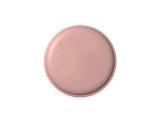
Nebivolol is a beta-adrenergic receptor blocker with selectivity for beta-1 receptors and additional nitric oxide-mediated vasodilatory properties. It is indicated for the treatment of mild to moderate essential hypertension. Nebivolol lowers blood pressure by reducing heart rate, myocardial contractility, and cardiac output through beta-1 blockade, while the vasodilating effect is thought to result from enhanced endothelial nitric oxide release, which reduces peripheral vascular resistance. It is also used off-label for chronic heart failure in some jurisdictions under specialist supervision. Nebivolol is available only by prescription in Canada.
Usual adult dose: The recommended starting dose is 5 mg taken orally once daily, with or without food. For patients who require a lower starting dose (e.g., elderly patients or those with mild hepatic or renal impairment), 2.5 mg once daily may be used. If blood pressure control is inadequate after 2 to 4 weeks, the dose may be increased to 10 mg once daily. The maximum recommended dose is 10 mg per day. The tablets should be swallowed whole with water and taken at the same time each day. No dose adjustment is required in mild to moderate renal impairment, but the dose should not exceed 10 mg in severe renal impairment; in moderate hepatic impairment, a starting dose of 2.5 mg once daily is recommended with cautious titration. If a dose is missed, it should be taken as soon as remembered, but two doses should not be taken on the same day. Abrupt discontinuation should be avoided because of the risk of rebound hypertension or worsening angina; the dose should be tapered over 1 to 2 weeks under medical supervision.
Dosage form: Oral tablets: 2.5 mg (small, round, scored), 5 mg (round, scored), and 10 mg (round, scored). The 2.5 mg tablet is used for dose titration and for patients requiring lower initial doses; the 5 mg and 10 mg strengths are used for standard and higher-dose maintenance therapy. Available in blister packs or bottles of 30 or 100 tablets.
Onset of action: The antihypertensive effect begins within 1 to 2 weeks of starting therapy, with peak blood pressure reduction typically achieved after 2 to 4 weeks of continuous once-daily dosing. Heart rate reduction may be observed within the first few days.
Duration of action: The elimination half-life of nebivolol is approximately 10 hours, but the pharmacodynamic effect persists for 24 hours, supporting once-daily dosing. The blood-pressure-lowering effect is maintained throughout the day with regular daily administration.
Alcohol recommendation: Alcohol should be used with caution during nebivolol therapy. Alcohol can potentiate the blood-pressure-lowering and central nervous system depressant effects, increasing the risk of dizziness, fainting, and impaired coordination. Patients should limit alcohol intake, especially when first starting therapy or when the dose is increased.
Most common side effects: Fatigue, headache, dizziness, bradycardia, cold extremities, nausea, and diarrhea. These effects are generally mild to moderate and may diminish with continued use. Nebivolol can mask the symptoms of hypoglycemia (except sweating) in diabetic patients, so glucose monitoring should be intensified. It is contraindicated in patients with severe bradycardia, second- or third-degree heart block, cardiogenic shock, decompensated heart failure, sick sinus syndrome (unless a pacemaker is present), and severe hepatic impairment. Caution is required in patients with asthma or chronic obstructive pulmonary disease because of beta-blockade; although nebivolol is beta-1 selective, higher doses may cause bronchospasm. Patients with peripheral vascular disease or Raynaud's phenomenon should be monitored. If a dose is missed, it should be taken as soon as remembered, but two doses should not be taken at the same time. Nebivolol is available only by prescription in Canada and must be initiated and monitored by a healthcare professional.
Would you like to try Nebivolol without a prescription?
+ Next orders 10% discount

+ Next orders 10% discount
+ Next orders 10% discount
+ Next orders 10% discount
+ Next orders 10% discount
+ Package delivery insurance
+ Next orders 10% discount
+ Next orders 10% discount
+ Next orders 10% discount
+ Next orders 10% discount
+ Next orders 10% discount
+ Package delivery insurance
+ Next orders 10% discount
+ Package delivery insurance
+ Next orders 10% discount
+ Next orders 10% discount
+ Next orders 10% discount
+ Next orders 10% discount
+ Next orders 10% discount
+ Package delivery insurance
+ Next orders 10% discount
Buy Generic Nebivolol (Nebivolol ) without prescription at Canadian Pharmacy
At our pharmacy, you can buy Nebivolol without a prescription, with discreet and anonymous packaging delivered within 5-14 days across Canada.
What is Nebivolol?
Nebivolol is a beta-blocker used primarily to treat high blood pressure. It belongs to a class of drugs that slow the heart and relax blood vessels. What sets nebivolol apart from older beta-blockers like propranolol or atenolol is that it also releases nitric oxide, a substance that dilates blood vessels directly. This dual action means it lowers blood pressure while causing fewer side effects like fatigue and cold hands. It is not a rescue medication. You take it every day, and the full effect on blood pressure builds over two to four weeks. Nebivolol is available in three strengths: 2.5 mg, 5 mg, and 10 mg tablets. The 2.5 mg dose is often a starting dose, especially for people who are older or have other health conditions. The 5 mg dose is the standard maintenance dose for most patients. The 10 mg dose is for those who need extra blood pressure reduction. It is taken once daily, with or without food. Nebivolol is not approved for heart failure or angina in Canada, unlike some other beta-blockers, but it is effective for hypertension and is generally well tolerated.
Mechanism and Pharmacology
Nebivolol is a selective beta-1 adrenergic receptor blocker. Beta-1 receptors are found mainly in the heart. Blocking them slows the heart rate and reduces the force of contraction, which lowers cardiac output and blood pressure. The selectivity means it has less effect on beta-2 receptors in the lungs and blood vessels, so it is less likely to cause bronchospasm or cold extremities than non-selective beta-blockers. The second mechanism is the release of nitric oxide from the endothelium, the inner lining of blood vessels. Nitric oxide causes vasodilation, reducing peripheral resistance and further lowering blood pressure. This vasodilating effect also improves arterial flexibility, which is beneficial for overall cardiovascular health.
After oral administration, nebivolol is well absorbed. Food does not significantly affect absorption, so it can be taken with or without meals. It undergoes significant first-pass metabolism in the liver, and its bioavailability depends on the activity of CYP2D6. People who are poor metabolizers of CYP2D6 have higher blood levels. The half-life is about 10 to 12 hours, but the active metabolites last longer, allowing once-daily dosing. The drug is excreted in the urine and feces. In patients with moderate liver impairment or severe kidney disease, the starting dose should be 2.5 mg and increased cautiously. Nebivolol does not significantly affect blood sugar or lipid levels, which is an advantage over some other beta-blockers. It also has a neutral effect on metabolic parameters.
How to Use Nebivolol
The usual starting dose is 5 mg once daily. For patients over 65, those with liver or kidney problems, or those taking other blood pressure medications, the starting dose is often 2.5 mg once daily. The dose can be increased to 10 mg once daily if blood pressure remains uncontrolled after two to four weeks. Do not exceed 10 mg per day. Take the tablet at the same time each day, with or without food. Swallow it whole with water. Do not crush or chew it. If you miss a dose, take it as soon as you remember. If it is almost time for the next dose, skip the missed one. Do not double up. Never stop nebivolol suddenly. Abrupt withdrawal can cause rebound high blood pressure, chest pain, and an increased risk of heart attack. If you need to stop, the dose must be tapered over one to two weeks under medical supervision.
Blood pressure and heart rate should be checked regularly. Your doctor will adjust the dose based on your response. If you are taking nebivolol for hypertension, it is usually part of a long-term plan. It is not a medication you stop once your blood pressure is normal, because the high blood pressure will return. The drug is often combined with other antihypertensives, like diuretics or ACE inhibitors, for better control. Do not use nebivolol to treat an acute asthma attack, and tell your doctor if you have any lung disease before starting. Do not drink alcohol excessively, because alcohol can increase the blood pressure-lowering effect and cause dizziness.
Side Effects of Nebivolol
The most common side effects are mild and often improve after the first few weeks. Headache, dizziness, and fatigue are frequently reported. Some people feel lightheaded when standing up quickly, because the drug lowers blood pressure. Rise slowly from sitting or lying. Nausea, diarrhea, and stomach upset can occur. Less common but possible are insomnia, vivid dreams, and a feeling of coldness in the hands and feet, though this is less frequent than with non-selective beta-blockers. Shortness of breath or wheezing can occur in susceptible individuals, especially those with asthma or COPD, although the beta-1 selectivity reduces this risk compared to propranolol. Sexual dysfunction, including erectile dysfunction, can occur, but it is less common than with older beta-blockers. Weight gain is not typically a problem with nebivolol.
Serious side effects are rare. A very slow heart rate, called bradycardia, can develop, especially at higher doses. If the heart rate drops below 50 beats per minute, the dose may need to be reduced. Heart block, a condition where the electrical signals in the heart are delayed, is a contraindication. Nebivolol can mask the symptoms of low blood sugar in people with diabetes, especially the rapid heartbeat and tremor that usually warn of hypoglycemia. If you have diabetes, monitor your blood glucose carefully. Allergic reactions, including rash and swelling, are uncommon. Very rarely, nebivolol can cause a severe skin reaction or liver injury. If you develop yellowing of the skin, dark urine, or severe abdominal pain, stop the drug and seek medical attention. Do not stop suddenly without your doctor's advice.
High-Risk Groups (Elderly, Pregnancy)
Pregnancy. Nebivolol is not well studied in pregnancy. Other beta-blockers like labetalol or metoprolol are preferred for treating high blood pressure during pregnancy. Nebivolol should be used only if the benefit clearly outweighs the risk and other options are not suitable. If you are pregnant or planning to become pregnant, discuss with your doctor before starting or continuing nebivolol. Breastfeeding. It is not known whether nebivolol passes into breast milk. Because of the lack of data, it is generally recommended to avoid nebivolol while breastfeeding or to choose a different beta-blocker with more safety information, such as metoprolol or propranolol. Talk to your doctor.
Elderly patients are more sensitive to the blood pressure-lowering effects of nebivolol. The starting dose should be 2.5 mg once daily, and titration should be slow. Falls from dizziness are a concern. Kidney function should be checked, as age-related decline can affect drug clearance. Patients with severe liver impairment should not use nebivolol, or should use a very low dose with close monitoring. People with severe bradycardia, heart block greater than first degree, cardiogenic shock, or decompensated heart failure should not take nebivolol. Those with asthma or COPD should use it with caution, even though the beta-1 selectivity is helpful. It is not contraindicated but requires monitoring. People with diabetes should be aware of the masking of hypoglycemia symptoms. A complete medication review is essential before starting.
Interaction With Activities (Driving, Alcohol)
Nebivolol can cause dizziness, fatigue, and lightheadedness, especially when starting treatment or increasing the dose. If you feel these effects, do not drive or operate machinery until they resolve. The impairment is usually mild and transient, but it can be significant in some people. Alcohol can increase the blood pressure-lowering effect, leading to more dizziness and fainting. It is best to limit alcohol while taking nebivolol. If you drink, do so in moderation and avoid driving afterward. Caffeine does not directly interact, but if you are sensitive to its stimulating effects, you may notice your heart rate increasing. This is not dangerous but may be uncomfortable. The key is to know how your body reacts before driving or doing anything that requires full alertness.
Drug Interactions
Nebivolol is metabolized by CYP2D6. Drugs that inhibit this enzyme, such as fluoxetine, paroxetine, and bupropion, can increase nebivolol levels and the risk of side effects. If you take one of these, your doctor may start with a lower nebivolol dose. Conversely, drugs that induce CYP2D6 are rare and generally not a concern. Nebivolol should not be combined with other beta-blockers, as the effects on heart rate and blood pressure are additive. Calcium channel blockers like verapamil and diltiazem can also slow the heart and should be used together only under careful supervision, because the combination can cause severe bradycardia and heart block. Other antihypertensive drugs, including diuretics, ACE inhibitors, and ARBs, will lower blood pressure further. This is often desired, but the doses must be adjusted. Nonsteroidal anti-inflammatory drugs (NSAIDs) like ibuprofen can reduce the blood pressure-lowering effect of nebivolol by causing fluid retention. This interaction is clinically significant. Clonidine, a centrally acting antihypertensive, should not be stopped suddenly while on nebivolol, because rebound hypertension can be severe. The two drugs should be tapered carefully. Nebivolol can interact with digoxin, increasing digoxin levels and the risk of toxicity. Amiodarone can add to the heart rate effects. Always tell your doctor and pharmacist about all medications and supplements you take before starting nebivolol.
Alternative Options
For high blood pressure, many alternatives exist. Other beta-blockers like metoprolol, atenolol, and bisoprolol are commonly used. Metoprolol and bisoprolol are cardioselective and are often first-line beta-blockers. Atenolol is less preferred for hypertension because it does not reduce cardiovascular events as well as other classes. ACE inhibitors like lisinopril, ARBs like losartan, calcium channel blockers like amlodipine, and thiazide diuretics are all first-line options depending on the patient's age, race, and other conditions. Nebivolol is unique because of its nitric oxide-mediated vasodilation, which gives it a better side effect profile, especially regarding fatigue and sexual dysfunction. For patients who need a beta-blocker but have concerns about traditional side effects, nebivolol is a good choice. For those with heart failure, carvedilol or bisoprolol are preferred because they have proven mortality benefit. For migraine prevention or essential tremor, propranolol is more commonly used. The choice depends on the specific indication and the patient's tolerance for side effects. Nebivolol is an excellent option for uncomplicated hypertension, particularly in patients who are physically active and want to avoid the sluggishness associated with older beta-blockers.
INN, Brand Names, and Classification in Canada
INN (International Nonproprietary Name): Nebivolol hydrochloride
Available brand names in Canada: Bystolic, and generic nebivolol
ATC code: C07AB12
Forms and strengths: Tablets 2.5 mg, 5 mg, 10 mg. The 5 mg is the usual maintenance dose, 2.5 mg for starting in special populations, 10 mg for maximum effect.
Manufacturers: Allergan (now AbbVie) marketed Bystolic. Generic versions are available from manufacturers including Apotex Inc., Teva Canada Limited, and Sandoz Canada Inc.
Registration status in Canada: Registered
Classification: Prescription (Rx)
Frequently Asked Questions
How long does nebivolol take to lower blood pressure?
You may see a drop in blood pressure within a few hours of the first dose, but the full effect develops over two to four weeks. It is not a quick fix. Take it every day and be patient. Your doctor will check your blood pressure at follow-up visits and adjust the dose if needed.
Can nebivolol cause erectile dysfunction?
Erectile dysfunction is possible, but it is less common with nebivolol than with older beta-blockers like propranolol or atenolol. The nitric oxide release may actually improve blood flow in some men. If you do experience this side effect, tell your doctor. Switching to a different beta-blocker or a different class of blood pressure medication may help.
Is nebivolol safe if I have asthma?
Nebivolol is cardioselective, meaning it mainly blocks beta-1 receptors in the heart, not beta-2 receptors in the lungs. This makes it safer than non-selective beta-blockers for people with mild asthma. However, it can still cause bronchospasm in some people. If you have asthma or COPD, discuss with your doctor before starting. You may need a different medication.
What if I stop taking nebivolol suddenly?
Do not stop suddenly. Abrupt withdrawal can cause rebound high blood pressure, chest pain, and even a heart attack in people with coronary artery disease. If you need to stop, your doctor will taper the dose gradually over one to two weeks. Always follow this plan.
Can I take nebivolol with my other blood pressure pills?
Yes, nebivolol is often combined with diuretics, ACE inhibitors, or calcium channel blockers for better control. Your doctor will manage the doses carefully to avoid too much blood pressure lowering. Never add or change medications without medical advice.
Delivery Information Across Canada
We ship Nebivolol to all provinces and territories. Delivery times vary depending on how remote your location is:
- Ontario (Toronto, Ottawa, Mississauga): 5 to 7 days
- Quebec (Montreal, Quebec City, Laval): 5 to 7 days
- British Columbia (Vancouver, Victoria, Burnaby): 5 to 9 days
- Alberta (Calgary, Edmonton, Red Deer): 5 to 9 days
- Manitoba (Winnipeg, Brandon): 5 to 9 days
- Saskatchewan (Saskatoon, Regina): 5 to 9 days
- Nova Scotia (Halifax, Sydney): 5 to 9 days
- New Brunswick (Moncton, Fredericton): 5 to 9 days
- Newfoundland and Labrador (St. John's, Corner Brook): 7 to 14 days
- Prince Edward Island (Charlottetown): 7 to 14 days
- Yukon, Northwest Territories, Nunavut: 7 to 14 days
All shipments are packed discreetly with no branding or indication of contents on the outside.
How to buy Generic Nebivolol (Nebivolol ) no prescription from Canadian Pharmacy.
| Shipping method | Delivery time | Price | |
 Delivery Delivery |
14-21 days | 14.95$ | Tracking# available in 4 days |
 Delivery Delivery |
9-14 days | 30$ | Tracking# available in 2 days |


- Shipping worldwide
- Confidentiality and anonymity guarantee
- Safe and secure
- Discrete looking packages
- Dispatch orders within 24 hours
- 100% success delivery


