


 Secure and Reliable
  High quality
  Worldwide shipping
  Bonuses and Discounts
  Money back Guarantee
 - Bestsellers
- Alcoholism
- COVID-19
- Allergy
- Anti Fungal
- Alzheimers
- Anti Viral
- Anti-Depressants
- Anti-Inflammatory
- Antibacterial
- Antiparasitic
- Antibiotics
- Arthritis
- Asthma
- Birth Control
- Blood Pressure
- Cancer
- Cardiovascular
- Cholesterol
- Diabetes
- Diuretics
- Erectile Dysfunction
- Eye Drop
- Gastro Health
- General Health
- Hair Loss
- Hepatitis C Virus (HCV)
- HIV
- Hormones
- Men's ED Packs
- Men's Health
- Mental Illness
- Motion Sickness
- Muscle Relaxant
- Pain Relief
- Parkinson’s Disease
- Veterinary Medicines
- Quit Smoking
- Vitamins
- Skin Care
- Sleeping Aids
- Weight Loss
- Women's Health
Generic Keflex ( Cephalexin )
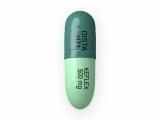
Keflex (cephalexin monohydrate) is a first‑generation cephalosporin antibiotic indicated for the treatment of bacterial infections caused by susceptible gram‑positive and some gram‑negative organisms, including respiratory tract infections, otitis media, skin and skin structure infections, bone infections, and genitourinary tract infections. It works by binding to penicillin‑binding proteins and inhibiting bacterial cell wall synthesis, leading to cell lysis and death. Cephalexin is bactericidal and is not effective against methicillin‑resistant Staphylococcus aureus (MRSA) or Enterococcus species. It is available only by prescription in Canada.
Usual adult dose: The usual dose is 250 mg to 500 mg taken orally every 6 hours, or 500 mg to 1 g every 12 hours depending on the severity and site of infection. For mild skin and soft tissue infections, 500 mg every 12 hours may be sufficient. For more severe infections or those caused by less susceptible organisms, 500 mg every 6 hours is recommended. The maximum daily dose is 4 g per day. Cephalexin may be taken with or without food; taking it with food or milk may reduce gastrointestinal upset. The capsules or tablets should be swallowed whole with a full glass of water. In patients with renal impairment, the dose must be reduced based on creatinine clearance. If a dose is missed, it should be taken as soon as remembered, but two doses should not be taken at the same time. Treatment should be continued for the full prescribed duration, even if symptoms improve, to prevent bacterial resistance and recurrence.
Dosage form: Oral capsules: 250 mg (green/white, size 2) and 500 mg (green/white, size 0). Also available as film‑coated tablets in 250 mg and 500 mg strengths, and as an oral suspension (125 mg/5 mL and 250 mg/5 mL) for patients who cannot swallow capsules. The 250 mg and 500 mg capsules are the most commonly used strengths for adult therapy.
Onset of action: Peak plasma concentrations are reached approximately 1 hour after oral administration. Clinical improvement in susceptible infections is usually observed within 48 to 72 hours of starting therapy. For uncomplicated infections, symptoms such as fever and pain often begin to subside within the first 2 days.
Duration of action: The elimination half‑life of cephalexin is approximately 1 hour in patients with normal renal function, but the post‑antibiotic effect and tissue concentrations support dosing every 6 to 12 hours depending on the dose and indication. Treatment duration varies by infection type, typically 7 to 14 days for most uncomplicated infections.
Alcohol recommendation: No direct interaction between cephalexin and alcohol has been established. However, alcohol may increase the risk of gastrointestinal upset, nausea, and dehydration, and can impair the immune response. Patients with significant alcohol use or liver disease should exercise caution. Moderation is generally acceptable, but patients should follow the advice of their healthcare professional.
Most common side effects: Diarrhea, nausea, vomiting, dyspepsia, and abdominal pain. These effects are generally mild and resolve with continued use or after completion of therapy. Allergic reactions, including rash, pruritus, urticaria, and rarely anaphylaxis, may occur, particularly in patients with a history of penicillin allergy; cross‑reactivity is estimated at 1% to 10%. Clostridioides difficile‑associated diarrhea is a serious potential complication of any antibiotic therapy and should be suspected if severe or persistent diarrhea occurs. Other rare effects include serum sickness, Stevens‑Johnson syndrome, and reversible neutropenia. Cephalexin is contraindicated in patients with known hypersensitivity to cephalosporin antibiotics. It should be used with caution in patients with renal impairment, and dose adjustment is required for creatinine clearance below 60 mL/min. Keflex is available only by prescription in Canada and must be prescribed by a healthcare professional.
Would you like to try Keflex (Cephalexin) without a prescription?
+ Next orders 10% discount

+ Next orders 10% discount
+ Next orders 10% discount
+ Next orders 10% discount
+ Next orders 10% discount
+ Next orders 10% discount
+ Next orders 10% discount
+ Next orders 10% discount
+ Next orders 10% discount
+ Next orders 10% discount
+ Next orders 10% discount
+ Next orders 10% discount
Buy Generic Keflex (Cephalexin) without prescription at Canadian Pharmacy
At our pharmacy, you can buy Keflex without a prescription, with discreet and anonymous packaging delivered within 5-14 days across Canada.
What is Keflex?
Keflex is an antibiotic. The active ingredient is cephalexin, a first-generation cephalosporin. It kills bacteria by disrupting the construction of their cell walls. Without a proper cell wall, the bacteria cannot survive, and they burst. Keflex is used for a range of bacterial infections: skin and soft tissue infections, respiratory tract infections like strep throat and bronchitis, urinary tract infections, and some bone and joint infections. It does not work against viruses, so it will not help with a cold or the flu. It is a prescription drug, but through our pharmacy, you can obtain it without a prescription. The two common strengths are 250 mg and 500 mg capsules. The 250 mg dose is often used for milder infections or for children who can swallow capsules. The 500 mg dose is the standard adult strength for most infections. Keflex is usually taken two to four times a day, depending on the infection.
Mechanism and Pharmacology
Cephalexin belongs to the beta-lactam class of antibiotics, the same family as penicillin. It works by binding to penicillin-binding proteins on the bacterial cell wall. These proteins are enzymes that cross-link the peptidoglycan strands that give the wall its strength. When cephalexin binds, it blocks the cross-linking. The wall becomes weak, the bacteria try to grow and divide, and they end up rupturing. This is called bactericidal killing. Cephalexin is active against many gram-positive bacteria, including Staphylococcus aureus (except MRSA) and Streptococcus pyogenes, as well as some gram-negative bacteria like Escherichia coli and Klebsiella. It is not effective against Pseudomonas or Enterococcus. Resistance can develop through bacterial production of beta-lactamases, but cephalexin is stable against some of these enzymes, though not all.
After oral administration, cephalexin is well absorbed, with bioavailability around 90 percent. Food does not significantly reduce the total amount absorbed, though a heavy meal may delay the peak. Peak plasma levels are reached in about 1 hour. The drug is widely distributed throughout the body, including into bone and joint fluid. It is excreted almost entirely unchanged by the kidneys, with a half-life of about 1 hour. This short half-life is why it is usually given three or four times a day. In patients with reduced kidney function, the dose must be adjusted or the interval extended, because the drug will accumulate. The 250 mg and 500 mg strengths allow for flexible dosing based on body weight and infection severity.
How to Use Keflex
The dose depends on the infection and your kidney function. For most adult infections, the usual dose is 250 mg to 500 mg every 6 hours, or 500 mg to 1000 mg every 12 hours. Your doctor will tell you the exact schedule. Swallow the capsule whole with a full glass of water. You can take it with or without food. If it upsets your stomach, taking it with food helps. Space the doses evenly throughout the day to keep a steady level of antibiotic in your blood. If you miss a dose, take it as soon as you remember. If it is almost time for the next dose, skip the missed one. Do not double up. Finish the entire course, even if you feel better after a few days. Stopping early can allow the bacteria to survive and develop resistance. The course is usually 7 to 14 days, depending on the infection. For children, the dose is based on weight, and the 250 mg capsule may be opened and sprinkled on food if the child cannot swallow it whole, but check with your pharmacist first because some formulations should not be opened.
Drink plenty of fluids while taking Keflex. This helps flush the bacteria and keeps your kidneys working well. If you develop severe diarrhea, especially if it is watery or bloody, stop the drug and contact your doctor. This could be a sign of Clostridium difficile infection, a serious complication of antibiotic use. Do not take Keflex if you have had a severe allergic reaction to penicillin or another cephalosporin, because cross-reactivity is possible. Tell your doctor about any kidney problems, because the dose needs adjustment. Do not share your antibiotic with others. It was prescribed for your specific infection.
Side Effects of Keflex
The most common side effects are gastrointestinal: nausea, vomiting, diarrhea, and stomach pain. Taking the capsules with food reduces these. Some people get a mild rash or itching. This is not always a true allergy, but any rash should be reported to your doctor, especially if it is accompanied by fever or joint pain. A yeast infection in the mouth or vagina can occur because the antibiotic kills normal bacteria, allowing yeast to overgrow. This is more common with longer courses. A white coating on the tongue or vaginal itching are signs. These are treatable with antifungal medication.
Serious side effects are less common but possible. A severe allergic reaction, anaphylaxis, can occur within minutes to hours. Symptoms include swelling of the face, lips, or throat, difficulty breathing, and a rapid heart rate. This is a medical emergency. Clostridium difficile-associated diarrhea can develop during or after treatment. It causes severe, watery diarrhea, abdominal pain, and fever. If this happens, seek medical care immediately. Very rarely, cephalexin can cause a decrease in white blood cells or platelets, leading to increased infections or easy bruising. It can also cause liver enzyme elevations, though this is usually mild and reversible. In patients with kidney disease, high doses can cause seizures, but this is rare when the dose is properly adjusted.
High-Risk Groups (Elderly, Pregnancy)
Pregnancy. Cephalexin is pregnancy category B. Animal studies have not shown fetal harm, and decades of use in pregnant women have not demonstrated an increased risk of birth defects. It is considered safe during pregnancy and is commonly used for urinary tract infections and skin infections. Always inform your obstetrician, but do not avoid a needed antibiotic because of fear. The risk of untreated infection is greater. Breastfeeding. Cephalexin passes into breast milk in small amounts. It is generally considered compatible with breastfeeding. The infant may develop diarrhea or a rash, but these are usually mild. If you notice any problems, contact your pediatrician. Elderly patients can take cephalexin, but they are more likely to have reduced kidney function. The dose should be based on creatinine clearance. Older adults are also at higher risk of Clostridium difficile infection. Adequate hydration is important. People with a known allergy to penicillin or cephalosporins should not take Keflex unless a doctor determines the reaction was not severe and the benefit outweighs the risk. Those with severe kidney impairment need dose adjustment or a different antibiotic. Patients with a history of gastrointestinal disease, particularly colitis, should use cephalexin with caution.
Interaction With Activities (Driving, Alcohol)
Keflex does not cause drowsiness, dizziness, or cognitive impairment. You can drive and operate machinery normally. Alcohol does not directly interact with cephalexin, and there is no disulfiram-like reaction. However, alcohol can worsen stomach upset and dehydrate you, which is not helpful when fighting an infection. It is best to limit alcohol or avoid it during treatment. Drink plenty of water instead. The antibiotic works best when you are well hydrated. There are no dietary restrictions, but a healthy diet supports recovery. Probiotics may help prevent antibiotic-associated diarrhea, but ask your doctor or pharmacist first.
Drug Interactions
Cephalexin has relatively few serious drug interactions. Probenecid, a drug used for gout, reduces the kidney excretion of cephalexin, increasing its blood levels. This is sometimes done deliberately to prolong the antibiotic effect, but it should only be managed by a doctor. Oral contraceptives may be less effective while taking antibiotics, though the evidence is mixed. To be safe, use a backup barrier method during the course and for a week after. Warfarin. Cephalexin can enhance the effect of warfarin in some patients, increasing the risk of bleeding. INR should be monitored more frequently if the two are used together. Metformin. There are rare reports of cephalexin increasing metformin levels, but this is not usually significant. Live bacterial vaccines, like the oral typhoid vaccine, should not be given while taking antibiotics because the antibiotic will kill the vaccine bacteria. Always tell your doctor and pharmacist about all medications and supplements you take before starting Keflex.
Alternative Options
For skin and soft tissue infections, alternatives include amoxicillin-clavulanate, clindamycin, or doxycycline, depending on the suspected bacteria. For strep throat, penicillin or amoxicillin is first-line, but cephalexin is a good alternative for penicillin-allergic patients (with caution). For urinary tract infections, nitrofurantoin or trimethoprim-sulfamethoxazole are often used, but cephalexin may be chosen based on local resistance patterns. For respiratory infections, amoxicillin or azithromycin are common. The choice depends on the infection site, the likely organism, and the patient's allergy history. Cephalexin is a narrow-spectrum antibiotic that is effective against many common gram-positive infections and is generally well tolerated. It is often used for cellulitis and other skin infections because it achieves good tissue levels. The 250 mg and 500 mg strengths provide flexibility. The main limitation is its lack of activity against MRSA and some gram-negative bacteria. In those cases, other antibiotics are needed.
INN, Brand Names, and Classification in Canada
INN (International Nonproprietary Name): Cephalexin
Available brand names in Canada: Keflex, and generic cephalexin
ATC code: J01DB01
Forms and strengths: Capsules 250 mg and 500 mg. Also available as an oral suspension for children and people who cannot swallow capsules.
Manufacturers: Eli Lilly Canada Inc. (Keflex), and diverse generic manufacturers including Apotex Inc., Teva Canada Limited, and Sandoz Canada Inc.
Registration status in Canada: Registered
Classification: Prescription (Rx)
Frequently Asked Questions
Can I drink alcohol while taking Keflex?
It is best to avoid alcohol. There is no dangerous interaction, but alcohol can worsen stomach upset and dehydration, and it doesn't help your immune system. Drink water instead and get plenty of rest.
What if I am allergic to penicillin?
Cephalexin is a cephalosporin, not a penicillin, but there is cross-reactivity in about 5 to 10 percent of people. If you had a mild rash from penicillin years ago, cephalexin is often safe. If you had a severe reaction like anaphylaxis, you should avoid it. Always tell your doctor about any drug allergies before starting.
How long does it take to feel better?
You should start to feel improvement within 48 to 72 hours. Fever goes down, pain decreases, and the infection looks better. But you must finish the entire course, even if you feel completely well, to prevent the bacteria from coming back resistant.
Can I open the capsule and sprinkle it on food?
Some cephalexin capsules can be opened and the contents mixed with a small amount of applesauce or yogurt, but check with your pharmacist first. The contents are bitter. For children, a liquid suspension is usually better. Do not crush the beads if they are extended-release; Keflex immediate-release capsules are usually fine to open if needed.
Does Keflex affect birth control?
There is a small chance that antibiotics reduce the effectiveness of oral contraceptives. Use a backup method, like condoms, during the antibiotic course and for one week after finishing. This is a precaution, not a certainty, but it is safe practice.
Delivery Information Across Canada
We ship Keflex and generic cephalexin to all provinces and territories. Delivery times vary depending on how remote your location is:
- Ontario (Toronto, Ottawa, Mississauga): 5 to 7 days
- Quebec (Montreal, Quebec City, Laval): 5 to 7 days
- British Columbia (Vancouver, Victoria, Burnaby): 5 to 9 days
- Alberta (Calgary, Edmonton, Red Deer): 5 to 9 days
- Manitoba (Winnipeg, Brandon): 5 to 9 days
- Saskatchewan (Saskatoon, Regina): 5 to 9 days
- Nova Scotia (Halifax, Sydney): 5 to 9 days
- New Brunswick (Moncton, Fredericton): 5 to 9 days
- Newfoundland and Labrador (St. John's, Corner Brook): 7 to 14 days
- Prince Edward Island (Charlottetown): 7 to 14 days
- Yukon, Northwest Territories, Nunavut: 7 to 14 days
All shipments are packed discreetly with no branding or indication of contents on the outside.
How to buy Generic Keflex (Cephalexin) no prescription from Canadian Pharmacy.
| Shipping method | Delivery time | Price | |
 Delivery Delivery |
9-14 days | 30$ | Tracking# available in 2 days |


- Shipping worldwide
- Confidentiality and anonymity guarantee
- Safe and secure
- Discrete looking packages
- Dispatch orders within 24 hours
- 100% success delivery


