


 Secure and Reliable
  High quality
  Worldwide shipping
  Bonuses and Discounts
  Money back Guarantee
 - Bestsellers
- Alcoholism
- COVID-19
- Allergy
- Anti Fungal
- Alzheimers
- Anti Viral
- Anti-Depressants
- Anti-Inflammatory
- Antibacterial
- Antiparasitic
- Antibiotics
- Arthritis
- Asthma
- Birth Control
- Blood Pressure
- Cancer
- Cardiovascular
- Cholesterol
- Diabetes
- Diuretics
- Erectile Dysfunction
- Eye Drop
- Gastro Health
- General Health
- Hair Loss
- Hepatitis C Virus (HCV)
- HIV
- Hormones
- Men's ED Packs
- Men's Health
- Mental Illness
- Motion Sickness
- Muscle Relaxant
- Pain Relief
- Parkinson’s Disease
- Veterinary Medicines
- Quit Smoking
- Vitamins
- Skin Care
- Sleeping Aids
- Weight Loss
- Women's Health
Generic Hytrin ( Terazosin hydrochloride )
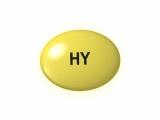
Hytrin (terazosin hydrochloride) is a selective alpha‑1 adrenergic receptor antagonist indicated for the treatment of mild to moderate hypertension and for the symptomatic treatment of benign prostatic hyperplasia (BPH). By blocking alpha‑1 receptors in vascular smooth muscle, terazosin reduces peripheral vascular resistance and lowers blood pressure. In the prostate and bladder neck, the same blockade relaxes smooth muscle tone, improving urine flow and reducing BPH symptoms such as hesitancy, weak stream, and nocturia. Hytrin may be used alone or in combination with other antihypertensive agents for blood pressure control. It is not a cure for BPH and does not affect prostate size.
Usual adult dose: For hypertension, the initial dose is 1 mg taken orally once daily at bedtime to minimize the risk of first‑dose syncope. The dose may be slowly increased by doubling at weekly intervals to 2 mg, 5 mg, and 10 mg once daily as needed to achieve the desired blood pressure response. The usual maintenance range is 2 mg to 10 mg once daily; a maximum of 20 mg per day may be used under medical supervision. For benign prostatic hyperplasia, the starting dose is also 1 mg at bedtime, increased gradually to 2 mg, 5 mg, and 10 mg once daily. The usual maintenance dose is 5 mg to 10 mg daily, with a maximum of 20 mg daily in patients who do not respond to lower doses. If therapy is interrupted for more than a few days, it must be restarted at the 1 mg dose and titrated again. The tablets should be taken at the same time each day, and the first dose or any dose increase should be taken at bedtime.
Dosage form: Oral tablets: 1 mg, 2 mg, 5 mg, and 10 mg. The 1 mg tablet is typically white, the 2 mg tablet orange, the 5 mg tablet tan, and the 10 mg tablet green; all are round and debossed with their respective strengths.
Onset of action: The blood pressure‑lowering effect may begin within 1 to 2 hours of the first dose, with peak effect at 2 to 3 hours. For BPH, improvement in urinary symptoms may be noticed as early as 2 to 4 weeks after reaching an effective dose, with maximum benefit usually achieved after 4 to 6 weeks of continued therapy.
Duration of action: The elimination half‑life of terazosin is approximately 12 hours, supporting once‑daily dosing. The antihypertensive and urodynamic effects are maintained with continued daily administration.
Alcohol recommendation: Alcohol should be avoided or strictly limited during treatment with Hytrin. Alcohol can potentiate the blood‑pressure‑lowering effects of terazosin, increasing the risk of dizziness, orthostatic hypotension, fainting, and impaired psychomotor performance. Patients should be cautioned about these additive effects, especially during initial dose titration.
Most common side effects: Dizziness, headache, asthenia (weakness), somnolence, nasal congestion, palpitations, and peripheral edema. A marked first‑dose hypotensive effect can occur, especially within 90 minutes of the initial dose or after a dose increase; syncope (fainting) has been reported. Patients should rise slowly from sitting or lying positions and avoid hazardous activities until they know how the drug affects them. Priapism, a rare but serious prolonged erection, requires immediate medical attention. Terazosin has been associated with intraoperative floppy iris syndrome during cataract surgery; patients must inform their ophthalmologist if they are taking or have taken Hytrin. Other less common effects include blurred vision, nausea, and dry mouth. In patients with hypertension, blood pressure and heart rate should be monitored at baseline and during titration. Hytrin is not recommended in patients with a history of micturition syncope or severe orthostatic hypotension.
Would you like to try Hytrin (Terazosin hydrochloride) without a prescription?
+ Next orders 10% discount

+ Next orders 10% discount
+ Next orders 10% discount
+ Package delivery insurance
+ Next orders 10% discount
+ Package delivery insurance
+ Next orders 10% discount
+ Package delivery insurance
+ Next orders 10% discount
+ Next orders 10% discount
+ Package delivery insurance
+ Next orders 10% discount
+ Package delivery insurance
+ Next orders 10% discount
+ Package delivery insurance
+ Next orders 10% discount
+ Package delivery insurance
+ Next orders 10% discount
+ Package delivery insurance
+ Next orders 10% discount
+ Package delivery insurance
+ Next orders 10% discount
+ Package delivery insurance
+ Next orders 10% discount
Buy Generic Hytrin (Terazosin hydrochloride) without prescription at Canadian Pharmacy
At our pharmacy, you can buy Hytrin without a prescription, with discreet and anonymous packaging delivered within 5-14 days across Canada.
What is Hytrin?
Hytrin is a medication whose active ingredient is terazosin hydrochloride. It belongs to a class of drugs called alpha-1 adrenergic blockers. It works by relaxing the smooth muscle in two key areas: the walls of blood vessels and the neck of the bladder and prostate. This dual action makes Hytrin useful for two distinct problems. In men with benign prostatic hyperplasia (BPH), an enlarged prostate squeezes the urethra and makes urination difficult. By relaxing the muscle at the bladder neck and in the prostate, Hytrin eases the flow. The same relaxing effect on blood vessels lowers blood pressure, which is why it is also used to treat hypertension.
Hytrin is not a cure for an enlarged prostate, and it does not shrink the prostate. What it does is open the channel so you can empty your bladder more easily. For high blood pressure, it reduces the resistance in the arteries so the heart does not have to push as hard. The effect on blood pressure is felt within hours, but the full benefit for BPH may take a few weeks as the urinary symptoms gradually improve. Hytrin is available in three strengths: 1 mg, 2 mg, and 5 mg tablets. The 1 mg dose is the starting point, designed to ease your body into the medication and avoid a sudden drop in blood pressure.
Mechanism and Pharmacology
Terazosin blocks alpha-1 adrenergic receptors. These receptors are found on the smooth muscle cells that wrap around blood vessels and around the prostate and bladder neck. When norepinephrine binds to these receptors, it tells the muscle to contract. By occupying the receptor and preventing norepinephrine from binding, terazosin lets the muscle relax. In the blood vessels, this relaxation means vasodilation, the arteries widen, and blood pressure drops. In the prostate and bladder neck, the relaxation opens the urinary channel and reduces resistance to urine flow.
Terazosin is well absorbed after oral administration, and peak plasma levels are reached in about 1 to 2 hours. The half-life is roughly 12 hours, which allows for once-daily dosing. It is metabolized in the liver and excreted primarily in the bile and feces, with a smaller portion in urine. The blood pressure-lowering effect is most pronounced after the first dose, a phenomenon known as the first-dose effect. This is why treatment always starts with a 1 mg tablet at bedtime. The body adjusts over time, but every dose increase can temporarily increase the risk of dizziness or fainting, so titration is slow and deliberate.
How to Use Hytrin
Always start with the 1 mg tablet. Take it at bedtime, right before you go to sleep. This is not a suggestion, it is a safety measure. The first dose of terazosin can cause a sharp drop in blood pressure, especially when you stand up, and taking it at night means you are lying down when the effect is strongest. If you wake during the night, rise slowly and sit on the edge of the bed for a minute before standing.
The dose is increased gradually. For both high blood pressure and BPH, the typical pattern is to start at 1 mg once daily at bedtime. After a few days to a week, your doctor may increase the dose to 2 mg, then 5 mg, and then higher if needed. For BPH, the dose can go up to 10 mg or even 20 mg daily. For hypertension, the usual maintenance range is 1 to 5 mg daily, though some patients need up to 20 mg. Whatever the strength, the tablet is taken once daily, usually at the same time each day. It can be taken with or without food.
If you miss a dose and you remember within a few hours, take it. If it is almost time for the next dose, skip the missed one. Do not double up. If you have stopped taking Hytrin for more than a few days, do not restart at your old dose. You must start again at 1 mg and titrate back up. Suddenly taking a full dose after a break can cause a dangerous drop in blood pressure. Do not stop Hytrin abruptly if you are using it for high blood pressure. Stopping suddenly can cause a rebound rise in blood pressure. Taper only under medical supervision.
Side Effects of Hytrin
The most common side effects are related to its vasodilating action. Dizziness and lightheadedness are frequent, especially in the first few weeks and after each dose increase. Orthostatic hypotension, a drop in blood pressure when standing up, can make you feel faint. This is the reason for the slow titration and bedtime dosing. Weakness, fatigue, and a feeling of being run down are also common. Some men experience nasal congestion or a stuffy nose because the same relaxation of blood vessels happens in the nasal passages. Headache is possible but usually mild.
Less common but more concerning is the first-dose syncope, a sudden fainting spell after the first dose or after a significant dose increase. This can be avoided by starting with 1 mg at bedtime. Palpitations, a racing or irregular heartbeat, can occur but are usually transient. In rare cases, terazosin can cause a prolonged erection, priapism, which is a medical emergency. If you have an erection that lasts more than 4 hours, seek immediate medical attention. Swelling of the ankles or feet may indicate fluid retention and should be reported to your doctor. Men undergoing cataract surgery should tell their eye surgeon they are taking terazosin, as it can cause a complication called floppy iris syndrome during the procedure.
High-Risk Groups (Elderly, Pregnancy)
Pregnancy. Terazosin is pregnancy category C. There are no adequate studies in pregnant women. It should be used during pregnancy only if the benefit clearly outweighs the risk. If you are pregnant or planning to be, discuss alternatives with your doctor. Breastfeeding is not well studied with terazosin, and caution is advised. It is not commonly used in women of childbearing age because its main indications are BPH, a male condition, and hypertension, which has many safer options in pregnancy.
Elderly patients use Hytrin frequently, especially for BPH. They are more sensitive to the blood pressure-lowering effects and are at higher risk of falls from dizziness and orthostatic hypotension. The dose should be titrated more slowly, and blood pressure should be checked regularly, both sitting and standing. Older men with BPH often have other medical conditions, so a full medication review is important. Patients with kidney or liver impairment may require dose adjustment, as the drug is metabolized by the liver. Those with a history of low blood pressure, fainting, or heart failure should use terazosin with extreme caution. Men planning cataract surgery must inform their ophthalmologist, as the drug can complicate the procedure.
Interaction With Activities (Driving, Alcohol)
Hytrin can cause dizziness, lightheadedness, and rarely, fainting, especially during the first few days and after dose changes. Do not drive or operate heavy machinery until you know how the drug affects you. The dizziness is most likely when standing up quickly, so rise slowly from a sitting or lying position. Alcohol worsens the blood pressure-lowering effect and can make the dizziness much worse. Avoid alcohol, especially during the titration phase. Even a single drink can make you feel faint if you are new to the drug. This is not a medication you can mix with alcohol without consequences.
Drug Interactions
The most important interaction is with other blood pressure-lowering drugs. Combining Hytrin with beta-blockers, calcium channel blockers, ACE inhibitors, or diuretics can cause an additive drop in blood pressure. Your doctor will adjust doses carefully. Phosphodiesterase type 5 inhibitors, such as sildenafil (Viagra), tadalafil (Cialis), and vardenafil (Levitra), also lower blood pressure. The combination of terazosin and a PDE5 inhibitor can cause severe hypotension, especially if either drug is taken at high dose. Separate the doses by at least 4 hours and start with the lowest possible dose of the PDE5 inhibitor. Do not take Hytrin with other alpha-blockers like doxazosin, prazosin, or tamsulosin unless specifically directed, as the effects are additive. Over-the-counter cold remedies containing decongestants like pseudoephedrine can raise blood pressure and counteract the effect of Hytrin, and they may also worsen urinary symptoms. Always check with your pharmacist before adding any new medicine, including supplements.
Alternative Options
For BPH, other alpha-blockers include tamsulosin (Flomax), doxazosin (Cardura), and alfuzosin (Xatral). Tamsulosin is more selective for the prostate and has less effect on blood pressure, making it a common first choice. Alfuzosin is similar. For men who need to shrink the prostate, 5-alpha-reductase inhibitors like finasteride and dutasteride work slowly over months but actually reduce prostate size. They can be combined with an alpha-blocker. Phosphodiesterase type 5 inhibitors, particularly tadalafil at 5 mg daily, are also approved for BPH and can help both urinary symptoms and erectile dysfunction. For hypertension, many other classes exist: ACE inhibitors, ARBs, calcium channel blockers, and diuretics. Hytrin is rarely first-line for high blood pressure anymore because newer drugs have better long-term outcome data, but it remains a useful option, especially when a man has both BPH and hypertension and wants a single pill to address both.
INN, Brand Names, and Classification in Canada
INN (International Nonproprietary Name): Terazosin hydrochloride
Available brand names in Canada: Hytrin, and generic terazosin
ATC code: G04CA03 (for BPH); also classified under C02CA04 for hypertension
Forms and strengths: Tablets 1 mg, 2 mg, 5 mg, 10 mg. The 1 mg, 2 mg, and 5 mg strengths are the most commonly used.
Manufacturers: AbbVie Corporation (Hytrin), and diverse generic manufacturers including Apotex Inc., Teva Canada Limited, and Sandoz Canada Inc.
Registration status in Canada: Registered
Classification: Prescription (Rx)
Frequently Asked Questions
Why do I have to take the first dose at bedtime?
The first dose of Hytrin can cause a sudden, severe drop in blood pressure that can make you faint. Taking it at night means you are lying down when the effect peaks. This is the single most important safety rule with this drug.
How long does it take to help with urination?
Some men feel an improvement within a few days, but the full effect on urinary symptoms may take 2 to 4 weeks. The blood pressure-lowering effect is faster, usually within a few hours. Be patient and keep taking the medication.
Can I stop Hytrin once my symptoms improve?
No. If you stop, the prostate will tighten again and blood pressure can rebound. For BPH, symptoms return. For hypertension, stopping suddenly can cause a dangerous spike. Always taper under a doctor's guidance.
Will Hytrin make me feel tired?
Fatigue and weakness are common, especially at the start of treatment. The feeling often improves as your body adjusts. If the fatigue is persistent and interferes with your life, talk to your doctor about adjusting the dose.
Can I take Hytrin with my blood pressure pill?
It depends on what you are taking. Hytrin itself lowers blood pressure, so combining it with other antihypertensives can drop your pressure too low. Your doctor will manage the doses carefully. Never add or change medications without checking first.
Delivery Information Across Canada
We ship Hytrin and generic terazosin to all provinces and territories. Delivery times vary depending on how remote your location is:
- Ontario (Toronto, Ottawa, Mississauga): 5 to 7 days
- Quebec (Montreal, Quebec City, Laval): 5 to 7 days
- British Columbia (Vancouver, Victoria, Burnaby): 5 to 9 days
- Alberta (Calgary, Edmonton, Red Deer): 5 to 9 days
- Manitoba (Winnipeg, Brandon): 5 to 9 days
- Saskatchewan (Saskatoon, Regina): 5 to 9 days
- Nova Scotia (Halifax, Sydney): 5 to 9 days
- New Brunswick (Moncton, Fredericton): 5 to 9 days
- Newfoundland and Labrador (St. John's, Corner Brook): 7 to 14 days
- Prince Edward Island (Charlottetown): 7 to 14 days
- Yukon, Northwest Territories, Nunavut: 7 to 14 days
All shipments are packed discreetly with no branding or indication of contents on the outside.
How to buy Generic Hytrin (Terazosin hydrochloride) no prescription from Canadian Pharmacy.
| Shipping method | Delivery time | Price | |
 Delivery Delivery |
14-21 days | 14.95$ | Tracking# available in 4 days |
 Delivery Delivery |
9-14 days | 30$ | Tracking# available in 2 days |


- Shipping worldwide
- Confidentiality and anonymity guarantee
- Safe and secure
- Discrete looking packages
- Dispatch orders within 24 hours
- 100% success delivery


