


 Secure and Reliable
  High quality
  Worldwide shipping
  Bonuses and Discounts
  Money back Guarantee
 - Bestsellers
- Alcoholism
- COVID-19
- Allergy
- Anti Fungal
- Alzheimers
- Anti Viral
- Anti-Depressants
- Anti-Inflammatory
- Antibacterial
- Antiparasitic
- Antibiotics
- Arthritis
- Asthma
- Birth Control
- Blood Pressure
- Cancer
- Cardiovascular
- Cholesterol
- Diabetes
- Diuretics
- Erectile Dysfunction
- Eye Drop
- Gastro Health
- General Health
- Hair Loss
- Hepatitis C Virus (HCV)
- HIV
- Hormones
- Men's ED Packs
- Men's Health
- Mental Illness
- Motion Sickness
- Muscle Relaxant
- Pain Relief
- Parkinson’s Disease
- Veterinary Medicines
- Quit Smoking
- Vitamins
- Skin Care
- Sleeping Aids
- Weight Loss
- Women's Health
Generic Efudex ( Fluorouracil )
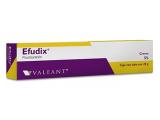
Efudex (fluorouracil) is a topical cytotoxic agent indicated for the treatment of multiple actinic keratoses and superficial basal cell carcinoma. Fluorouracil is an antimetabolite that interferes with DNA and RNA synthesis through its conversion to 5-fluoro-2'-deoxyuridine monophosphate, which inhibits thymidylate synthetase. This leads to selective destruction of rapidly proliferating, actinically damaged skin cells while having minimal effect on healthy, normal skin. The inflammatory response that develops during treatment (erythema, erosion, and crusting) is a visible sign of the eradication of precancerous and malignant lesions.
Usual adult dose: For actinic keratoses, apply Efudex 5% cream once or twice daily to the affected area; the 1% cream is applied once daily to facial lesions for a 4‑week treatment course. For superficial basal cell carcinoma, Efudex 5% cream is applied twice daily in an amount sufficient to cover the lesion and a small margin of surrounding skin for 3 to 6 weeks. Only the 5% concentration is indicated for superficial basal cell carcinoma. All applications should be made with a non‑metal applicator, cotton swab, or a gloved fingertip, and the hands must be washed immediately afterward. Occlusive dressings should not be used. Treatment continues until the inflammatory response reaches the erosion and crusting stage; the usual duration is 2 to 4 weeks for actinic keratoses and up to 6 weeks for superficial basal cell carcinoma. Therapy is then stopped and healing occurs over 1 to 2 months.
Dosage form: Topical cream: 1% (10 mg per gram) and 5% (50 mg per gram). Available in tubes of 20 g and 40 g.
Onset of action: A visible inflammatory reaction (erythema, scaling, and mild edema) typically begins within the first week of application. The therapeutic effect relies on the controlled destruction of abnormal cells, which becomes fully evident during the healing phase following cessation of treatment.
Duration of action: Applied once or twice daily for a finite treatment course. The clinical benefit—clearance of actinic keratoses or superficial basal cell carcinoma—is assessed after the post‑treatment healing period, which usually completes 4 to 8 weeks after stopping the cream.
Alcohol recommendation: There is no known systemic interaction between topical fluorouracil and the consumption of alcoholic beverages. However, patients should avoid applying alcohol‑based lotions, astringents, or other irritants to the treatment area, as these can exacerbate skin reactions and cause excessive discomfort.
Most common side effects: Local skin reactions are expected and indicate drug activity: erythema, pain, pruritus, burning, erosion, crusting, scaling, and swelling. The severity varies by treatment site and duration; facial and scalp areas often react more intensely. Secondary complications can include bacterial infection, scarring, and temporary post‑inflammatory hyperpigmentation or hypopigmentation. Fluorouracil may cause photosensitivity, so patients must avoid prolonged sun exposure and use broad‑spectrum sunscreens. Systemic absorption is minimal, but fluorouracil is contraindicated during pregnancy (FDA Category X) and in patients with known dihydropyrimidine dehydrogenase (DPD) enzyme deficiency, as this can lead to severe systemic toxicity even from topical use. Patients should be carefully counselled about the expected treatment‑related skin reaction so that the course is not prematurely discontinued.
Would you like to try Efudex (Fluorouracil) without a prescription?
+ Next orders 10% discount

+ Next orders 10% discount
+ Next orders 10% discount
+ Next orders 10% discount
+ Next orders 10% discount
+ Next orders 10% discount
+ Next orders 10% discount
+ Next orders 10% discount
Buy Generic Efudex (Fluorouracil ) without prescription at Canadian Pharmacy
At our pharmacy, you can buy Efudex without a prescription, with discreet and anonymous packaging delivered within 5-14 days across Canada.
What is Efudex?
Efudex is a topical chemotherapy cream. The active ingredient is fluorouracil, also called 5-FU, a cytotoxic antimetabolite that has been used for decades to treat actinic keratoses, those rough, scaly patches on sun-damaged skin that can turn into squamous cell carcinoma. It's also used for superficial basal cell carcinomas when surgery isn't the right fit. The drug kills rapidly dividing cells. Actinic keratoses are clusters of abnormal keratinocytes growing faster than the surrounding skin. Fluorouracil interferes with their ability to synthesize DNA and RNA, so they die off while the healthy skin around them survives, though it gets red and inflamed in the process.
The treatment is not subtle. It's often called a "field therapy" because you apply the cream to an entire area of sun-damaged skin, the forehead, the cheeks, the backs of the hands, rather than spot-treating individual lesions. There are almost always more precancerous cells than you can see or feel. The cream brings them to the surface in a controlled inflammatory reaction. The skin gets red, raw, crusty, and uncomfortable over the course of a few weeks. Then it heals, and what grows back is healthier, smoother, and free of the abnormal cells that were there before.
The visible reaction is the point. It's not a side effect. The inflammation is the drug doing its job. Patients need to understand this going in, because the treatment looks and feels worse before it looks better. The duration of application depends on the strength and the location. Efudex is available as a 5% cream and a 1% cream. The 5% strength is the classic, used for actinic keratoses on the face and scalp, typically applied twice daily for 2 to 4 weeks. The 1% strength is used for longer courses, often 4 to 6 weeks, and may be chosen for larger areas or for patients who can't tolerate the more intense reaction of the 5% cream. Superficial basal cell carcinomas are treated with the 5% cream, usually applied twice daily for 3 to 6 weeks, sometimes longer.
Mechanism and Pharmacology
Fluorouracil is a pyrimidine analogue. It enters cells and is converted to its active metabolites: fluorouridine triphosphate (FUTP), which is incorporated into RNA and disrupts RNA processing, and fluorodeoxyuridine monophosphate (FdUMP), which inhibits thymidylate synthase. Thymidylate synthase is the enzyme that converts deoxyuridine monophosphate to deoxythymidine monophosphate, a critical step in DNA synthesis. When that enzyme is blocked, the cell can't produce thymine, one of the four building blocks of DNA. Without thymine, DNA replication stalls, and the cell undergoes apoptosis.
The drug preferentially affects rapidly dividing cells because they have a higher demand for DNA synthesis. Actinic keratoses and superficial skin cancers have a much higher proliferation rate than normal epidermis. The healthy skin around them divides more slowly and has more time to repair the damage. This is why, after a period of intense inflammation, the abnormal cells are selectively destroyed while the normal skin regenerates.
When applied topically, systemic absorption is minimal. About 6 percent of a dose applied to the face is absorbed systemically; on other areas, it's even less. The absorbed drug is rapidly metabolized in the liver by dihydropyrimidine dehydrogenase (DPD) and cleared. The half-life is short, about 10 to 20 minutes. At the doses used for topical treatment, there is no systemic toxicity, no bone marrow suppression, no nausea, none of the side effects that intravenous 5-FU causes. This is a local treatment with local effects.
How to Use Efudex
Application is straightforward but requires commitment. Wash the area with mild soap and water. Dry it completely. Apply a thin layer of the cream to the entire affected area, not just individual spots. Rub it in gently. A small amount is enough; a 40 g tube is often sufficient for a full face course. Wash your hands thoroughly after applying, unless the hands are being treated.
The standard regimen for actinic keratoses with the 5% cream is twice daily, morning and evening, for 2 to 4 weeks. The exact duration depends on how the skin responds and the location. The face and scalp usually require 2 to 3 weeks. The arms and hands, where the skin is thicker, may need 4 weeks. With the 1% cream, the course is usually 4 to 6 weeks, applied twice daily. For superficial basal cell carcinoma, the 5% cream is applied twice daily for 3 to 6 weeks, sometimes up to 10 to 12 weeks for larger or more stubborn lesions.
The inflammatory reaction follows a predictable timeline. During the first few days, nothing much happens. Then, around day 3 to 5, redness and mild irritation begin. By the end of the first week, the treated area becomes red, slightly swollen, and tender. Crusting and erosion start in the second week. The reaction peaks at week 2 to 3, with raw, weeping, crusted skin that can be painful. Then, as the drug is stopped, healing begins. The crusts fall off, and underneath is smooth, pink skin that gradually returns to a normal colour over several weeks to months.
Do not stop early because of the reaction. The reaction is the endpoint. If you stop before the full course, some abnormal cells may survive, and the treatment won't be as effective. The skin needs to reach the erosion and crusting stage for the precancerous cells to be fully cleared. If the reaction becomes intolerable, contact your doctor. They may recommend a short break of a day or two, then resume, or they may switch to a milder regimen.
Moisturizers and topical steroids can be used to manage discomfort, but only as directed by your prescriber. A bland emollient like petrolatum can soothe the skin after the cream is applied. Hydrocortisone 1% cream, applied a few hours after the Efudex, can reduce inflammation without interfering with the treatment. Avoid sun exposure. The treated skin is extremely vulnerable to UV damage, and burning it on top of the Efudex reaction is a bad combination. If you must be outside, use a broad-spectrum sunscreen, wear a wide-brimmed hat, and stay in the shade.
Side Effects of Efudex
The side effects are the treatment. Redness, burning, itching, pain, crusting, erosion, and weeping are expected. The intensity varies by individual and location. The face and scalp react more than the trunk or extremities because the skin is thinner and has more actinic damage. The reaction can be severe enough to disrupt sleep and daily activities during the peak week. Pain management with acetaminophen or ibuprofen, cool compresses, and gentle cleansing can help.
Allergic contact dermatitis to the cream base or to fluorouracil itself is uncommon but possible. It presents as intense itching, swelling, and a spreading rash beyond the treated area. If suspected, the cream should be stopped and the reaction evaluated.
Scarring is unusual, but the treated skin can be left with temporary redness, hyperpigmentation, or hypopigmentation. These pigment changes usually fade over months, but they can be persistent. Sun protection is critical during the healing phase to prevent permanent darkening of the new skin.
Secondary infection is rare. The crusted, open skin can become infected with bacteria, leading to increased pain, purulent discharge, and delayed healing. If infection is suspected, a topical or oral antibiotic may be needed.
Systemic toxicity does not occur with topical fluorouracil at the doses and surface areas typically treated. Even when the entire face is covered, the absorbed amount is far below the threshold for bone marrow suppression or gastrointestinal toxicity.
High-Risk Groups (Elderly, Pregnancy)
Pregnancy. Fluorouracil is a known teratogen when given systemically. Topical absorption is minimal, but the drug is classified as pregnancy category X because of its potential for fetal harm. It should not be used during pregnancy. Women of childbearing age should have a pregnancy test before starting and use effective contraception during treatment. If pregnancy occurs during treatment, stop the cream immediately and consult an obstetrician.
Breastfeeding. It's not known whether topical fluorouracil is excreted in human breast milk. Given the potential for serious adverse effects in the infant, breastfeeding is not recommended while using Efudex. A decision should be made to either discontinue the drug or discontinue breastfeeding, based on the importance of the treatment to the mother.
Elderly patients are the primary users of Efudex, as actinic keratoses accumulate with age and sun exposure. The skin reaction can be more intense in thin, fragile elderly skin, and healing may be slower. The 1% cream may be preferred for very elderly or frail patients. The risk of falls or functional impairment during the peak reaction week should be considered, especially if the feet or hands are treated.
Dihydropyrimidine dehydrogenase (DPD) deficiency. This is a rare genetic condition where the enzyme that breaks down fluorouracil is deficient. Even with topical use, if large areas are treated or occlusion is used, systemic accumulation could occur and cause severe toxicity. Patients with known DPD deficiency should not use fluorouracil in any form. Routine screening is not required, but if a patient has a family history of severe reactions to fluorouracil or capecitabine, testing is appropriate.
Immunocompromised patients, such as organ transplant recipients, have a much higher burden of actinic keratoses and skin cancers. Efudex is a cornerstone of treatment for field cancerization in this population. The reaction may be more intense, and healing may be slower, but the drug is effective and safe. These patients should be managed by a dermatologist experienced in transplant dermatology.
Interaction With Activities (Driving, Alcohol)
Efudex does not cause systemic side effects that would impair driving. However, during the peak inflammatory phase, the treated skin on the face can be so painful and distracting that concentration is affected. If the discomfort is significant, driving long distances or operating heavy machinery may not be safe. Pain management and timing treatment to avoid the worst days overlapping with critical activities is sensible.
Alcohol has no interaction with topical fluorouracil. There is no additive toxicity. However, alcohol can cause vasodilation and flushing, which might make the treated skin feel hotter and more uncomfortable. It's not a contraindication, but staying hydrated and avoiding heavy drinking during the peak reaction may improve comfort.
Sun exposure must be strictly minimized. The treated skin is denuded and has no barrier function. A sunburn on top of an Efudex reaction is a serious injury. Avoid the sun entirely during the treatment course and for several weeks afterward. If sun exposure is unavoidable, a physical sunscreen containing zinc oxide or titanium dioxide, along with protective clothing and a hat, is essential.
Drug Interactions
Topical fluorouracil has no systemic drug interactions at the doses used. The absorbed amount is too small to affect other medications. However, certain topical products can interact.
Other topical irritants, such as retinoids, benzoyl peroxide, salicylic acid, and alpha hydroxy acids, should not be used on the same area during treatment. They will compound the inflammation and can cause chemical burns. Stop all other active skincare products on the treated area at least a few days before starting Efudex, and don't resume until the skin is fully healed.
Topical corticosteroids, such as hydrocortisone 1% cream, can be used to reduce inflammation without blocking the therapeutic effect. Many dermatologists recommend applying hydrocortisone a few hours after the Efudex, or on alternating applications, to improve tolerability. Stronger prescription steroids should only be used under medical direction.
Moisturizers are safe and encouraged. A bland, fragrance-free emollient applied after the cream absorbs can soothe the skin and reduce crusting. Avoid occlusive dressings unless specifically instructed. Occlusion increases absorption and can cause a much more intense and unpredictable reaction.
Vaccines. There's no interaction with vaccines, but the immune response in the skin is being modulated by the intense local inflammation. It's reasonable to avoid live vaccines applied to or near the treated area, but systemic vaccination is safe.
Alternative Options
Efudex is one of several field therapies for actinic keratoses. The choice depends on the number and distribution of lesions, skin type, tolerance for downtime, and patient preference.
Imiquimod (Aldara, Zyclara) is an immune response modifier that stimulates the body's own immune system to attack abnormal cells. It's applied 2 to 3 times per week for several weeks. It causes a similar inflammatory reaction, with redness, crusting, and erosion. Some patients find imiquimod's reaction less predictable and more flu-like systemic symptoms can occur. It's a good alternative for patients who can't tolerate fluorouracil or have widespread disease.
Photodynamic therapy (PDT) involves applying a photosensitizing agent, aminolevulinic acid (ALA) or methyl aminolevulinate, to the skin, then exposing it to a specific wavelength of light. The activated drug destroys precancerous cells. It's highly effective, but it's painful during the light exposure and requires specialized equipment. It's an in-office procedure, not a take-home cream.
Cryotherapy with liquid nitrogen freezes individual lesions. It's good for isolated, well-defined actinic keratoses but doesn't treat the surrounding field of sun-damaged skin that harbours subclinical lesions. It's often used for a few stubborn spots after a course of Efudex.
Diclofenac sodium 3% gel (Solaraze) is a topical NSAID that reduces inflammation and may induce apoptosis in actinic keratoses. It's applied twice daily for 60 to 90 days. It doesn't cause the visible inflammatory reaction of Efudex, so there's no downtime. The trade-off is lower efficacy and a much longer treatment course.
Tirbanibulin ointment (Klisyri) is a newer microtubule inhibitor applied once daily for just 5 days. It causes a mild to moderate local reaction, much less than Efudex, and has a high clearance rate. It's convenient but expensive and limited to smaller treatment areas on the face and scalp.
Surgical excision or Mohs surgery is the definitive treatment for invasive skin cancers. Efudex is not for invasive squamous cell carcinoma or melanoma. For superficial basal cell carcinoma, Efudex can be an alternative to surgery in selected patients, but surgical cure rates are higher.
INN, Brand Names, and Classification in Canada
INN (International Nonproprietary Name): Fluorouracil (topical)
Available brand names in Canada: Efudex (5% cream), Fluoroplex (1% cream), and generic fluorouracil cream 1% and 5%
ATC code: L01BC02
Forms and strengths: Cream 1% and 5% in tubes of 20 g, 40 g, and 60 g
Manufacturers: Bausch Health Canada Inc. (Efudex), and diverse generic manufacturers including Teva Canada and Apotex
Registration status in Canada: Registered
Classification: Prescription (Rx)
Preparing for and Managing Efudex Treatment
Efudex works. It clears 80 to 90 percent of actinic keratoses after a single course, and the skin often remains clearer for years. But it's an uncomfortable 2 to 4 weeks. Patients who have the best experience are the ones who understand what to expect, schedule treatment during a period when they can stay home, and have a plan for managing discomfort.
Stock up on supplies before you start: a gentle cleanser, a bland moisturizer (petrolatum or a ceramide-based cream), cool compresses, acetaminophen or ibuprofen, and a broad-spectrum sunscreen. If your doctor approves, have a tube of 1% hydrocortisone cream on hand. Plan to avoid social engagements, outdoor activities, and any event where you'd be self-conscious about a red, peeling face. The downtime is significant, but it's temporary.
Don't pick at the crusts. Let them fall off naturally. Picking can cause scarring and hyperpigmentation. When the skin is healed, usually 2 to 4 weeks after stopping the cream, a gentle skincare routine can resume. Sun protection remains essential forever. The skin is new and vulnerable, and the underlying sun damage that caused the actinic keratoses hasn't gone away. Regular skin checks with a dermatologist should continue.
Efudex is legally classified as prescription-only in Canada. However, through our pharmacy, you can purchase Efudex without a prescription and receive it in discreet packaging anywhere across the country.
Frequently Asked Questions
How bad is the Efudex reaction?
It varies. Most people experience significant redness, crusting, and tenderness. The face can look like a severe sunburn with scabs. It peaks around week 2 to 3 and then heals quickly once the cream is stopped. The reaction is painful but manageable with over-the-counter pain relievers and cool compresses. The severity is a sign the drug is working.
Can I wear makeup during treatment?
Not recommended. The skin is raw, weeping, and crusted. Makeup won't adhere properly and can introduce infection. Once the skin is healed and no longer open, makeup can be used to cover residual redness.
How long does it take to heal after Efudex?
Healing begins within days of stopping the cream. Most of the crusting resolves in 1 to 2 weeks. The skin will be pink and sensitive for several weeks to months. Full healing and return to normal colour can take 3 to 6 months, depending on the intensity of the reaction and the area treated.
Can I treat just a few spots with Efudex?
It's not designed for spot treatment. Efudex is a field therapy meant to treat the entire sun-damaged area where subclinical lesions may be present. Treating individual spots may leave behind invisible abnormal cells that will surface later. For isolated lesions, cryotherapy may be more appropriate.
Is Efudex safe for the face?
Yes, the face is the most common treatment site. The reaction is often more intense because facial skin is thinner and more sun-damaged, but it heals well. Avoid the eyes, nostrils, and mouth. If cream gets into the eyes, rinse immediately with water.
Will I need more than one course?
Many patients achieve clearance after a single course. However, sun damage is cumulative, and new actinic keratoses can develop over time. Some patients repeat treatment every year or two as maintenance. Others use a lower strength cream for longer periods to keep the skin clear.
Delivery Information Across Canada
We ship Efudex and generic fluorouracil cream to all provinces and territories. Delivery times vary depending on how remote your location is:
- Ontario (Toronto, Ottawa, Mississauga): 5 to 7 days
- Quebec (Montreal, Quebec City, Laval): 5 to 7 days
- British Columbia (Vancouver, Victoria, Burnaby): 5 to 9 days
- Alberta (Calgary, Edmonton, Red Deer): 5 to 9 days
- Manitoba (Winnipeg, Brandon): 5 to 9 days
- Saskatchewan (Saskatoon, Regina): 5 to 9 days
- Nova Scotia (Halifax, Sydney): 5 to 9 days
- New Brunswick (Moncton, Fredericton): 5 to 9 days
- Newfoundland and Labrador (St. John's, Corner Brook): 7 to 14 days
- Prince Edward Island (Charlottetown): 7 to 14 days
- Yukon, Northwest Territories, Nunavut: 7 to 14 days
All shipments are packed discreetly with no branding or indication of contents on the outside.
How to buy Generic Efudex (Fluorouracil ) no prescription from Canadian Pharmacy.
| Shipping method | Delivery time | Price | |
 Delivery Delivery |
14-21 days | 14.95$ | Tracking# available in 4 days |
 Delivery Delivery |
9-14 days | 30$ | Tracking# available in 2 days |


- Shipping worldwide
- Confidentiality and anonymity guarantee
- Safe and secure
- Discrete looking packages
- Dispatch orders within 24 hours
- 100% success delivery


