


 Secure and Reliable
  High quality
  Worldwide shipping
  Bonuses and Discounts
  Money back Guarantee
 - Bestsellers
- Alcoholism
- COVID-19
- Allergy
- Anti Fungal
- Alzheimers
- Anti Viral
- Anti-Depressants
- Anti-Inflammatory
- Antibacterial
- Antiparasitic
- Antibiotics
- Arthritis
- Asthma
- Birth Control
- Blood Pressure
- Cancer
- Cardiovascular
- Cholesterol
- Diabetes
- Diuretics
- Erectile Dysfunction
- Eye Drop
- Gastro Health
- General Health
- Hair Loss
- Hepatitis C Virus (HCV)
- HIV
- Hormones
- Men's ED Packs
- Men's Health
- Mental Illness
- Motion Sickness
- Muscle Relaxant
- Pain Relief
- Parkinson’s Disease
- Veterinary Medicines
- Quit Smoking
- Vitamins
- Skin Care
- Sleeping Aids
- Weight Loss
- Women's Health
Generic Dilantin ( Phenytoin )
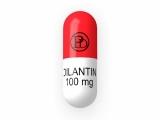
Dilantin (phenytoin sodium) is an anticonvulsant medication indicated for the control of generalized tonic-clonic (grand mal) seizures and complex partial (psychomotor) seizures, as well as for the prevention and treatment of seizures occurring during or following neurosurgery. It belongs to the hydantoin class of antiepileptic drugs and exerts its anticonvulsant effect by stabilizing neuronal membranes and limiting the spread of seizure activity from an epileptic focus. Phenytoin achieves this primarily by blocking voltage-gated sodium channels in a use-dependent manner, thereby reducing sustained high-frequency repetitive neuronal firing without significantly affecting normal neuronal transmission.
Usual adult dose: For adults not previously treated with phenytoin, the recommended starting dose is 100 mg three to four times daily (300 to 400 mg per day). After establishing effective seizure control, the total daily dose may often be administered as a single daily dose or in two divided doses, taking advantage of the drug's long half-life. Dosage must be individualized, and adjustments should be made gradually, generally in increments of 100 mg at intervals of no less than 7 to 10 days. A single daily dose of 300 mg is the most commonly prescribed maintenance regimen. Therapeutic serum concentration monitoring is strongly recommended, with the reference range of 40 to 80 micromol/L (10 to 20 mcg/mL) for optimal seizure control and minimal toxicity. Dilantin exhibits saturable, non-linear (Michaelis-Menten) pharmacokinetics; small dose increases above the individual saturation point can produce disproportionately large increases in serum concentrations and clinical toxicity.
Dosage form: Capsules: Dilantin Kapseals (extended phenytoin sodium) 100 mg, containing a blend of prompt-release and sustained-release phenytoin sodium designed for once-daily dosing. The 100 mg Kapseal is a white opaque and orange opaque capsule imprinted with "Dilantin 100 mg." Chewable tablets (50 mg) and an oral suspension (30 mg/5 mL or 125 mg/5 mL) are also available for patients unable to swallow capsules.
Onset of action: Following oral administration, phenytoin is absorbed in the small intestine, with peak plasma concentrations reached approximately 4 to 12 hours after a single dose. Therapeutic serum concentrations and anticonvulsant effect are achieved gradually, generally requiring several days to weeks of consistent dosing at the target maintenance regimen. For acute seizure management, intravenous loading doses are preferred due to the delayed oral absorption.
Duration of action: The elimination half-life of phenytoin is dose-dependent and averages approximately 22 hours at therapeutic concentrations but can vary widely between individuals. This prolonged half-life permits once-daily or twice-daily maintenance dosing. Due to saturable metabolism, the half-life increases at higher serum concentrations, prolonging the duration of action and increasing the risk of accumulation and toxicity.
Alcohol recommendation: Alcohol consumption should be avoided during treatment with Dilantin. Acute alcohol intake can increase serum phenytoin concentrations, potentially leading to toxicity. Conversely, chronic heavy alcohol use can induce hepatic metabolism, reducing phenytoin levels and compromising seizure control. Alcohol also has central nervous system depressant effects that may be additive with phenytoin, and it can independently lower the seizure threshold, increasing the risk of breakthrough seizures. Patients should abstain from alcohol to maintain stable anticonvulsant efficacy and safety.
Most common side effects: Nystagmus (involuntary eye movements), ataxia (impaired coordination), slurred speech, dizziness, drowsiness, confusion, and gingival hyperplasia (overgrowth of gum tissue). Central nervous system effects are typically dose-related and correlate with serum concentrations; nystagmus generally appears at levels above 80 micromol/L (20 mcg/mL), ataxia above 120 micromol/L (30 mcg/mL), and lethargy above 160 micromol/L (40 mcg/mL). Gingival hyperplasia occurs in approximately 50% of patients on chronic therapy but can be minimized with meticulous oral hygiene. Other reported adverse effects include hirsutism, coarsening of facial features, megaloblastic anemia (responsive to folic acid), and rash, which may rarely progress to Stevens-Johnson syndrome. Long-term use has been associated with peripheral neuropathy and osteomalacia due to alterations in vitamin D metabolism.
Would you like to learn more about Dilantin (Phenytoin) for seizure management?
+ Next orders 10% discount

+ Next orders 10% discount
Buy Generic Dilantin (Phenytoin) without prescription at Canadian Pharmacy
At our pharmacy, you can buy Dilantin without a prescription, with discreet and anonymous packaging delivered within 5-14 days across Canada.
What is Dilantin?
Dilantin is an anticonvulsant used to prevent and treat seizures. The active ingredient is phenytoin, one of the oldest non-sedating seizure medications still in regular use. It was first synthesized in 1908 and introduced for epilepsy in 1938, and it remains on the World Health Organization's list of essential medicines. It's primarily used for focal seizures and generalized tonic-clonic seizures. It's also used off-label for trigeminal neuralgia and certain cardiac arrhythmias, though those indications have largely been taken over by newer drugs.
Phenytoin stabilizes neuronal membranes by blocking voltage-gated sodium channels. It binds preferentially to the inactivated state of the channel, prolonging the refractory period and preventing the high-frequency repetitive firing that sustains seizure activity. Normal neuronal traffic passes through. The pathological kind gets dampened. That's the theory, and in practice it works for a lot of people.
The onset of action for seizure control depends on how the drug is loaded. In an emergency, intravenous or oral loading can achieve therapeutic levels within hours. With routine oral maintenance dosing, therapeutic concentrations take several days to a week to accumulate. Phenytoin has tricky pharmacokinetics. It follows saturable, dose-dependent metabolism. At low doses, the liver clears it at a predictable rate. As doses increase, the metabolic enzymes get saturated, and small dose changes produce disproportionately large jumps in blood levels. That makes dosing less intuitive than with most other drugs.
Dilantin is available in Canada as 100 mg extended-release capsules (Dilantin Kapseals), 50 mg chewable tablets, and an oral suspension. The 100 mg extended-release capsule is the standard maintenance formulation for adults.
Mechanism and Pharmacology
Phenytoin's main action is on voltage-gated sodium channels in neuronal membranes. When a neuron fires repetitively, sodium channels cycle through resting, open, and inactivated states. Phenytoin binds to the inactivated state and slows its return to the resting state. This prolongs the refractory period, meaning the neuron can't fire again as quickly. High-frequency firing, which is what drives seizure propagation, gets selectively suppressed. Normal low-frequency firing is relatively spared because those sodium channels spend less time in the inactivated state.
This is similar to carbamazepine and oxcarbazepine, but phenytoin does it with a different binding site and different kinetics. It also has effects on calcium channels and neurotransmitter release at higher concentrations, but the sodium channel blockade is the primary anticonvulsant mechanism.
The pharmacokinetics are what make phenytoin challenging. It exhibits nonlinear, saturable elimination. At low concentrations, metabolism follows first-order kinetics: a constant fraction of drug is cleared per unit time. But as blood levels rise into the therapeutic range, the liver enzymes responsible for its metabolism, primarily CYP2C9 and to a lesser extent CYP2C19, become saturated. At that point, elimination shifts to zero-order kinetics: a constant amount of drug is cleared per unit time regardless of concentration. That means a small increase in daily dose, say from 300 mg to 400 mg, can more than double the steady-state blood level. Therapeutic drug monitoring is essential.
The therapeutic range is narrow: 10 to 20 mcg per mL (40 to 80 micromol per L). Below 10, seizure control is often incomplete. Above 20, toxicity appears: nystagmus, ataxia, slurred speech, and eventually confusion and coma. The window between effective and toxic is smaller than with most anticonvulsants.
Phenytoin is highly protein-bound, about 90 percent, primarily to albumin. Conditions that lower albumin, liver disease, nephrotic syndrome, malnutrition, and pregnancy, reduce total drug levels but may not change the free, pharmacologically active concentration as much. When albumin is low, measuring free phenytoin levels gives a truer picture than total levels.
The half-life varies with concentration. At low levels it's around 12 to 24 hours. At higher therapeutic levels it extends to 60 hours or more. That's why once-daily dosing works with the extended-release formulation once steady state is achieved.
How to Use Dilantin
The standard adult maintenance dose is 300 to 400 mg per day, given as a single daily dose of the extended-release capsules or divided into two to three doses for the immediate-release forms. The extended-release capsules are designed for once-daily dosing and should not be opened, crushed, or chewed. Doing so dumps the entire dose at once and can cause toxicity.
Dose adjustments are made in small increments, typically 25 to 50 mg per day, with serum level checks 7 to 10 days after each change. Because of saturable metabolism, there's no simple formula for calculating the dose. Two patients of similar weight may need very different amounts to reach the same serum level. Pharmacogenetic variation in CYP2C9 accounts for some of this. Patients with reduced-function alleles metabolize phenytoin more slowly and may need lower doses.
Take the medication at the same time each day, with food if stomach upset occurs. Consistent timing relative to meals matters because food can affect the rate, though not the extent, of absorption for some formulations.
If you miss a dose, take it as soon as you remember. If it's within 4 hours of the next scheduled dose, skip the missed one. Never double up. A double dose of phenytoin can push levels into the toxic range quickly because of the saturable kinetics.
Do not stop phenytoin abruptly. Abrupt withdrawal can trigger rebound seizures, including status epilepticus. If discontinuation is necessary, the dose should be tapered gradually over several weeks under medical supervision.
Brand and generic formulations of phenytoin are not automatically interchangeable. Small differences in bioavailability between manufacturers can cause clinically significant changes in serum levels. If you're stable on one product, don't switch to another without checking levels after the change.
Side Effects of Dilantin
Phenytoin's side effect profile is extensive, a function of both its long use and its narrow therapeutic window.
Dose-related CNS toxicity is the most predictable. As levels climb, nystagmus appears first, usually around 20 mcg per mL. Ataxia and slurred speech follow above 30. Confusion, lethargy, and coma occur above 40 to 50. These are all reversible with dose reduction. The earliest sign of toxicity is often horizontal nystagmus on lateral gaze, which a doctor can detect before the patient notices anything.
Gingival hyperplasia, gum overgrowth, is a distinctive side effect that occurs in roughly 20 to 50 percent of patients on long-term therapy. It's not allergic or dose-dependent. It results from phenytoin's effect on fibroblasts in the gum tissue. Good oral hygiene, regular dental care, and folic acid supplementation may reduce the severity, but once it's established, the main treatment is surgical. Discontinuing phenytoin reverses it gradually over months.
Hirsutism, excessive hair growth, occurs in some patients, particularly women, and is cosmetically distressing. It's not reversible while on the drug.
Coarsening of facial features, acne, and rash are dermatological effects that accumulate over years. They're subtle at first but can become pronounced with decades of use.
Osteoporosis and osteomalacia result from phenytoin's induction of vitamin D metabolism. It accelerates the breakdown of vitamin D to inactive metabolites, leading to reduced calcium absorption and bone demineralization. Patients on long-term phenytoin should have vitamin D levels monitored and supplemented as needed. Bone density scans are recommended periodically.
Megaloblastic anemia occurs because phenytoin interferes with folate absorption and metabolism. Folic acid supplementation, 1 to 5 mg daily, prevents this in most patients.
Peripheral neuropathy develops in some long-term users, presenting as numbness, tingling, and loss of reflexes in the lower extremities. It's usually mild but can progress if the drug is continued.
Serious idiosyncratic reactions include Stevens-Johnson syndrome, toxic epidermal necrolysis, and drug reaction with eosinophilia and systemic symptoms (DRESS). These are rare but potentially fatal. The risk of severe cutaneous reactions is higher in people carrying the HLA-B*1502 allele, which is more common in individuals of Han Chinese, Thai, and other Southeast Asian ancestry. Screening is recommended before starting phenytoin in these populations. Lymphadenopathy, fever, and eosinophilia can also occur as part of a hypersensitivity syndrome that may mimic lymphoma.
Liver toxicity ranges from mild transaminase elevation to fulminant hepatitis. It's uncommon but serious. Baseline liver enzymes and periodic monitoring are standard.
High-Risk Groups (Elderly, Pregnancy)
Pregnancy with phenytoin is high risk. The drug is a known teratogen. Fetal hydantoin syndrome occurs in about 5 to 10 percent of exposed pregnancies and includes craniofacial abnormalities, growth retardation, hypoplastic distal phalanges, and cardiac defects. The risk is dose-dependent but not absent at any dose. Neural tube defects are also more common, which is why high-dose folic acid, 5 mg daily, is recommended for women on phenytoin who are planning pregnancy.
Despite the risks, stopping phenytoin abruptly during pregnancy can cause convulsive seizures that deprive the fetus of oxygen and may be more dangerous than the drug itself. The standard approach is monotherapy at the lowest effective dose with regular monitoring of free phenytoin levels, since protein binding decreases during pregnancy and total levels become less reliable. Dose adjustments are often needed as pregnancy progresses and clearance increases.
Breastfeeding is generally considered compatible with phenytoin. The amount excreted into breast milk is small, and most infants show no adverse effects. Sedation and poor feeding have been reported occasionally. The infant should be monitored for drowsiness, especially in the first few weeks.
Elderly patients are more sensitive to phenytoin's CNS effects and more likely to have low albumin, which makes free drug levels harder to interpret. Starting doses should be lower, 200 mg per day rather than 300 mg, with slower titration. The risk of falls from ataxia is a serious concern. Osteoporosis is accelerated by phenytoin, and elderly patients are already at risk. Vitamin D and calcium supplementation should not be overlooked.
Hypoalbuminemia from any cause, liver disease, nephrotic syndrome, malnutrition, alters protein binding. A seemingly low total phenytoin level in a hypoalbuminemic patient may actually represent a therapeutic free level. Correcting total levels for albumin is possible with formulas, but measuring free phenytoin directly is more reliable when available.
Renal failure reduces protein binding and increases free fraction. Patients on dialysis may need supplemental dosing because phenytoin is not significantly removed by hemodialysis, but the uremic state itself alters binding.
Liver disease reduces both metabolism and protein synthesis. The net effect on free phenytoin levels is unpredictable, and close monitoring is essential.
Interaction With Activities (Driving, Alcohol)
Driving is subject to the same restrictions as for any seizure disorder. Provinces have legal requirements for seizure-free periods before driving is permitted, regardless of medication. Beyond that, phenytoin itself can cause sedation, dizziness, ataxia, and blurred vision, especially at higher levels. A patient whose seizures are controlled but who is experiencing dose-related CNS side effects should not drive until those resolve with dose adjustment.
Alcohol interacts with phenytoin in both directions. Acute alcohol intake inhibits phenytoin metabolism, raising levels. Chronic heavy drinking induces metabolism, lowering levels and reducing seizure control. The combination is unpredictable. Alcohol also disrupts sleep and can independently lower the seizure threshold. The safest approach is to avoid alcohol. If a patient chooses to drink, it should be in small amounts, infrequently, with awareness that it may affect both drug levels and seizure risk.
Drug Interactions
Phenytoin has one of the most extensive drug interaction profiles in pharmacology. It's a potent inducer of CYP3A4, CYP2C9, CYP2C19, and several other enzymes, plus it's highly protein-bound and metabolized by saturable pathways. That combination means it both affects and is affected by dozens of drugs.
Drugs that increase phenytoin levels by inhibiting its metabolism include valproate, fluconazole, metronidazole, amiodarone, cimetidine, fluoxetine, sertraline, isoniazid, and sulfonamides. Valproate also displaces phenytoin from protein binding, increasing the free fraction. The net effect is complex: total levels may decrease while free levels increase. When adding any of these drugs, phenytoin levels should be checked within 1 to 2 weeks.
Drugs that decrease phenytoin levels by inducing its metabolism include carbamazepine, phenobarbital, rifampin, and chronic alcohol. The effect is gradual, over weeks, and dose increases may be needed.
Phenytoin induces the metabolism of a long list of drugs, reducing their efficacy. This includes oral contraceptives, warfarin, direct oral anticoagulants (apixaban, rivaroxaban), corticosteroids, cyclosporine, tacrolimus, methadone, voriconazole, itraconazole, and many antiretrovirals. Hormonal contraception is unreliable on phenytoin. Women should use a non-hormonal method or a higher-dose hormonal contraceptive with a backup barrier method.
Warfarin is a particularly dangerous interaction. Phenytoin induces warfarin metabolism, so the warfarin dose must be increased to maintain anticoagulation. But if phenytoin is stopped or reduced, warfarin levels can rebound and cause bleeding. INR monitoring must be intensified during any phenytoin dose change.
Phenytoin decreases levels of other anticonvulsants metabolized by CYP enzymes, including lamotrigine, topiramate, and valproate, though the valproate interaction is bidirectional and complex.
Tube feeding with enteral formulas significantly reduces phenytoin absorption. If a patient on phenytoin requires tube feeding, the feeding should be held for 1 to 2 hours before and after each dose, and levels must be monitored closely. This interaction is well documented and clinically significant.
Alternative Options
Phenytoin is no longer first-line for most seizure types in developed countries, not because it's ineffective, but because newer drugs have better tolerability, fewer drug interactions, and simpler pharmacokinetics. Here's how the alternatives compare:
Levetiracetam (Keppra) is the most commonly used first-line agent for focal and generalized seizures. It has no significant drug interactions, doesn't require blood level monitoring, and has a wide therapeutic window. The main side effects are behavioural: irritability, aggression, and mood changes. Some people tolerate it well. Others don't.
Lamotrigine (Lamictal) is favoured for its favourable cognitive side effect profile and its efficacy in both epilepsy and bipolar disorder. It requires slow titration to avoid rash but is otherwise well tolerated. Drug interactions are fewer than with phenytoin.
Carbamazepine (Tegretol) is structurally related to phenytoin and shares many of its interaction problems. It's still used for focal seizures and trigeminal neuralgia. Oxcarbazepine (Trileptal) is a cleaner alternative with fewer interactions.
Valproate (Depakote) is broad-spectrum and effective for multiple seizure types, but it's teratogenic and causes significant weight gain and tremor. It's generally avoided in women of childbearing age.
Lacosamide (Vimpat) is a newer sodium channel blocker with a different binding site and fewer interactions than phenytoin. It's used for focal seizures and is generally well tolerated.
For patients who have been on phenytoin for years with good seizure control and no significant toxicity, continuing the drug is reasonable. Switching always carries the risk of destabilizing seizure control. But for newly diagnosed epilepsy, phenytoin is rarely the first choice anymore. The pharmacokinetics alone, with the need for regular blood level monitoring and the constant vigilance for drug interactions, make it less convenient than alternatives.
INN, Brand Names, and Classification in Canada
INN (International Nonproprietary Name): Phenytoin sodium
Available brand names in Canada: Dilantin, Dilantin Kapseals (extended-release), and generic phenytoin
ATC code: N03AB02
Forms and strengths: Extended-release capsules 30 mg, 100 mg; Chewable tablets 50 mg; Oral suspension 25 mg per mL; Injectable solution 50 mg per mL
Manufacturers: Pfizer Canada Inc. (Dilantin), and diverse generic manufacturers
Registration status in Canada: Registered
Classification: Prescription (Rx)
Monitoring and Long-Term Management
Phenytoin requires more monitoring than most anticonvulsants. Serum levels should be checked after initiation, after any dose change, and periodically during stable therapy, typically every 6 to 12 months. The therapeutic range of 10 to 20 mcg per mL is a guide, not an absolute. Some patients achieve seizure control at 8 mcg per mL. Others need 22 and tolerate it without toxicity. Treat the patient, not the number.
Baseline and periodic liver enzymes, complete blood count, and serum albumin are standard. Vitamin D levels should be checked annually, with supplementation as needed. Bone density scanning every 1 to 2 years is recommended for patients on long-term therapy, particularly postmenopausal women and the elderly. Folic acid, 1 to 5 mg daily, prevents megaloblastic anemia and may reduce gingival hyperplasia. It also reduces the risk of neural tube defects in women who become pregnant.
Dental check-ups every 6 months are important for monitoring gingival hyperplasia. Good oral hygiene, including brushing, flossing, and gum massage, can reduce the severity.
Dilantin is legally classified as prescription-only in Canada. However, through our pharmacy, you can purchase Dilantin without a prescription and receive it in discreet packaging anywhere across the country.
Frequently Asked Questions
Why does phenytoin need blood level monitoring?
Because of its saturable metabolism. Small dose increases can cause disproportionately large jumps in blood levels. The difference between a therapeutic level and a toxic level is narrow. Monitoring ensures you're in the right window: high enough to control seizures, low enough to avoid toxicity.
What are the signs of phenytoin toxicity?
Nystagmus, a jerking movement of the eyes, is the earliest sign. Then comes unsteadiness, slurred speech, and poor coordination. At higher levels, confusion, lethargy, and eventually coma. Toxicity is fully reversible with dose reduction, but it requires prompt recognition.
Can I switch from brand Dilantin to generic phenytoin?
Phenytoin is one of the few drugs where brand and generic formulations may not be interchangeable without caution. Small differences in absorption between products can affect blood levels enough to cause loss of seizure control or toxicity. If a switch is made, levels should be checked within 1 to 2 weeks.
Does phenytoin affect birth control?
Yes. It induces liver enzymes that break down hormonal contraceptives, making them less effective. Use a non-hormonal method like a copper IUD, or a higher-dose hormonal method with a backup barrier. This interaction is clinically significant.
Can I drink alcohol while taking phenytoin?
It's not recommended. Alcohol interacts unpredictably with phenytoin metabolism and can lower the seizure threshold. An occasional single drink may be tolerated by some patients, but chronic or heavy drinking is dangerous on multiple levels.
What about gum overgrowth?
Gingival hyperplasia affects a significant minority of long-term users. Good oral hygiene and regular dental care reduce the risk and severity. Folic acid supplementation may help. Once established, the main treatment is surgical, though stopping phenytoin reverses it over months.
Is phenytoin still used given all the newer drugs?
Yes, for several reasons. It's effective and inexpensive. Some patients have been on it for decades with excellent seizure control and no significant side effects. For them, switching carries more risk than staying. But for newly diagnosed epilepsy in Canada, it's rarely the first choice anymore.
Delivery Information Across Canada
We ship Dilantin and generic phenytoin to all provinces and territories. Delivery times vary depending on how remote your location is:
- Ontario (Toronto, Ottawa, Mississauga): 5 to 7 days
- Quebec (Montreal, Quebec City, Laval): 5 to 7 days
- British Columbia (Vancouver, Victoria, Burnaby): 5 to 9 days
- Alberta (Calgary, Edmonton, Red Deer): 5 to 9 days
- Manitoba (Winnipeg, Brandon): 5 to 9 days
- Saskatchewan (Saskatoon, Regina): 5 to 9 days
- Nova Scotia (Halifax, Sydney): 5 to 9 days
- New Brunswick (Moncton, Fredericton): 5 to 9 days
- Newfoundland and Labrador (St. John's, Corner Brook): 7 to 14 days
- Prince Edward Island (Charlottetown): 7 to 14 days
- Yukon, Northwest Territories, Nunavut: 7 to 14 days
All shipments are packed discreetly with no branding or indication of contents on the outside.
How to buy Generic Dilantin (Phenytoin) no prescription from Canadian Pharmacy.
| Shipping method | Delivery time | Price | |
 Delivery Delivery |
14-21 days | 14.95$ | Tracking# available in 4 days |
 Delivery Delivery |
9-14 days | 30$ | Tracking# available in 2 days |


- Shipping worldwide
- Confidentiality and anonymity guarantee
- Safe and secure
- Discrete looking packages
- Dispatch orders within 24 hours
- 100% success delivery


