


 Secure and Reliable
  High quality
  Worldwide shipping
  Bonuses and Discounts
  Money back Guarantee
 - Bestsellers
- Alcoholism
- COVID-19
- Allergy
- Anti Fungal
- Alzheimers
- Anti Viral
- Anti-Depressants
- Anti-Inflammatory
- Antibacterial
- Antiparasitic
- Antibiotics
- Arthritis
- Asthma
- Birth Control
- Blood Pressure
- Cancer
- Cardiovascular
- Cholesterol
- Diabetes
- Diuretics
- Erectile Dysfunction
- Eye Drop
- Gastro Health
- General Health
- Hair Loss
- Hepatitis C Virus (HCV)
- HIV
- Hormones
- Men's ED Packs
- Men's Health
- Mental Illness
- Motion Sickness
- Muscle Relaxant
- Pain Relief
- Parkinson’s Disease
- Veterinary Medicines
- Quit Smoking
- Vitamins
- Skin Care
- Sleeping Aids
- Weight Loss
- Women's Health
Generic Casodex ( Bicalutamide )
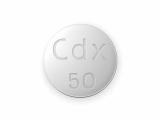
Casodex (bicalutamide) is a non‑steroidal antiandrogen indicated for the treatment of advanced prostate cancer in combination with a luteinizing hormone‑releasing hormone (LHRH) agonist (medical castration) or after surgical orchiectomy. Bicalutamide competitively binds to androgen receptors on prostate tumour cells, blocking the action of circulating testosterone and dihydrotestosterone. By inhibiting androgen‑mediated cell growth and differentiation, it slows disease progression. Casodex is not a chemotherapeutic agent and must be used together with continuous androgen deprivation therapy; it does not lower serum testosterone and should never be given as monotherapy for advanced disease except in selected patients under specialist supervision.
Usual adult dose: The recommended dose is one 50 mg tablet taken orally once daily, at approximately the same time each day. Treatment with Casodex is started concomitantly with an LHRH agonist (e.g., leuprolide, goserelin) or following bilateral orchiectomy. The tablet may be taken with or without food. No dose adjustment is required for elderly patients or those with mild renal impairment. In patients with moderate‑to‑severe hepatic impairment, bicalutamide is not recommended because of extensive hepatic metabolism and the risk of accumulation. If a dose is missed, it should be taken as soon as remembered, but two doses must not be taken on the same day. Treatment is continued as long as clinical benefit is maintained and unacceptable toxicity does not occur.
Dosage form: Film‑coated tablets: 50 mg (white to off‑white, round, biconvex, debossed with “50” on one side). Available in blister packs of 28 or 30 tablets.
Onset of action: Once steady‑state plasma levels are reached (approximately 4 weeks after starting once‑daily dosing), the antiandrogenic effect is fully established. Clinical benefit, reflected by a decline in prostate‑specific antigen (PSA) levels and delay in disease progression, is typically assessed after 3 to 6 months of combined therapy.
Duration of action: The elimination half‑life of the active (R)‑enantiomer of bicalutamide is approximately 6 days, which supports once‑daily dosing and maintains continuous androgen receptor blockade throughout the dosing interval. Upon discontinuation, the drug is slowly cleared over several weeks.
Alcohol recommendation: There is no known direct interaction between bicalutamide and alcohol. However, bicalutamide is extensively metabolized by the liver and can cause hepatotoxicity. Heavy alcohol consumption may further impair liver function and increase the risk of liver injury. Patients should limit alcohol intake and undergo regular liver function testing as recommended by their oncologist.
Most common side effects: Due to the associated LHRH agonist or surgical castration, the most frequent adverse effects are hot flashes, loss of libido, and impotence. Bicalutamide itself commonly causes breast tenderness and gynecomastia (breast enlargement), which may be severe; prophylactic breast irradiation or tamoxifen may be considered. Gastrointestinal effects include nausea, diarrhea, and abdominal pain. Hepatotoxicity, ranging from reversible transaminase elevations to severe hepatitis and rare cases of fatal hepatic failure, is a serious risk; liver function must be monitored at baseline, regularly during the first few months of therapy, and whenever symptoms suggestive of hepatitis develop. If jaundice or marked transaminase elevations occur, the drug should be interrupted or discontinued. Bicalutamide is a CYP3A4 substrate and may interact with strong CYP3A4 inhibitors. As a component of androgen deprivation therapy, bicalutamide may contribute to metabolic changes, osteoporosis, and cardiovascular risk. Women of child‑bearing potential must not handle broken tablets or use bicalutamide; if a female partner is or could become pregnant, barrier contraception is essential. Casodex must be prescribed and supervised by a healthcare professional experienced in oncology.
Would you like to try Casodex (Bicalutamide) without a prescription?
+ Next orders 10% discount

+ Next orders 10% discount
+ Package delivery insurance
+ Next orders 10% discount
+ Package delivery insurance
+ Next orders 10% discount
Buy Generic Casodex (Bicalutamide) without prescription at Canadian Pharmacy
At our pharmacy, you can buy Casodex without a prescription, with discreet and anonymous packaging delivered within 5-14 days across Canada.
What is Casodex?
Casodex is a hormonal therapy for prostate cancer. The active ingredient is bicalutamide, a non-steroidal anti-androgen. It doesn't lower testosterone levels. Instead, it blocks the androgen receptors on the surface of prostate cancer cells, preventing testosterone and other androgens from binding and telling the cancer to grow. It's like putting a piece of tape over a lock. The key is still there, but it can't turn the mechanism. Casodex is used in combination with an LHRH agonist, a drug that stops the testicles from making testosterone, to achieve complete androgen blockade. This two-pronged approach starves the cancer of the hormonal signals it depends on.
Casodex is not a cure, but it delays progression. In men with metastatic prostate cancer, it adds months to survival and helps keep pain and other symptoms controlled. It's a long-term treatment, usually taken for years, as long as the cancer remains hormone-sensitive. The effect on the cancer cells begins quickly, but it takes weeks to see a drop in PSA levels, and the full clinical benefit unfolds over months. The standard dose is one 50 mg tablet taken once daily, at the same time each day, with or without food.
Mechanism and Pharmacology
Bicalutamide is a competitive antagonist of the androgen receptor. It has a high binding affinity for the receptor, much higher than the older anti-androgen flutamide. When bicalutamide occupies the receptor, it prevents the receptor from changing shape and moving into the cell nucleus. Without that movement, the genes that drive cell division and cancer growth stay switched off. Unlike LHRH agonists, bicalutamide does not lower serum testosterone. In fact, because the pituitary gland senses less androgen activity, testosterone levels can actually rise modestly during monotherapy. That's why it's almost always combined with an LHRH agonist or surgical castration, which removes the testosterone that bicalutamide would otherwise have to compete with.
The drug is well absorbed after oral administration, and food doesn't change the total amount that enters the bloodstream. Peak plasma levels are reached in about 31 hours with daily dosing. Bicalutamide has a very long half-life, about 6 days for the active R-enantiomer. This means it takes about a month to reach steady-state levels. The long half-life also means that if you miss a dose, the drug is still in your system at therapeutic levels. It's extensively metabolized in the liver, primarily by CYP3A4, and the metabolites are excreted in both urine and feces. Because of this hepatic metabolism and the potential for liver injury, regular liver function tests are mandatory.
How to Use Casodex
The standard dose is one 50 mg tablet taken once daily. You can take it in the morning or evening, with or without food. The critical thing is to take it at the same time every day, and to take it alongside your LHRH agonist injection, which is given at intervals of 1 to 6 months by your doctor. Casodex is usually started a few days before the first LHRH injection to block the temporary testosterone flare that LHRH agonists can cause. Your oncologist will give you a schedule.
Swallow the tablet whole with water. Don't crush or chew it. If you forget a dose, take it as soon as you remember, unless it's nearly time for your next dose. Because the drug has a long half-life, a missed dose by a few hours isn't critical, but don't double up. If you miss several days, talk to your oncologist before restarting. You'll need regular blood tests: PSA to monitor the cancer response, and liver enzymes to watch for toxicity. Liver function is checked every few months, more frequently at the start. If your liver enzymes rise significantly, your doctor may pause treatment, reduce the dose, or switch you to another drug. Never stop Casodex abruptly without discussing it with your oncologist, even if you feel well. The cancer is being suppressed, and stopping can let it grow again.
Side Effects of Casodex
The side effects are largely the consequence of shutting down androgen signaling. Hot flashes are very common, sudden waves of heat and sweating that can disrupt sleep and daily life. They tend to be less intense than with LHRH agonists alone, but they're still present. Breast tenderness and enlargement (gynecomastia) are also common, caused by the unopposed effect of small amounts of estrogen that the body still produces. This can be physically uncomfortable and psychologically distressing. In some men, the breast tissue becomes painful enough to require radiation or surgery.
Fatigue is frequent, a deep tiredness that doesn't always improve with rest. Muscle loss and weakness can occur over time as the anabolic effect of testosterone is blocked. Diarrhea or constipation, nausea, and a loss of appetite affect a smaller percentage of men. A rash or itching can appear, usually mild. The most serious concern is liver toxicity. Bicalutamide can inflame the liver, sometimes severely. Symptoms to watch for include yellowing of the skin or eyes, dark urine, severe nausea, abdominal pain, and extreme tiredness. If these appear, stop the drug and call your doctor immediately. Liver damage is usually reversible if caught early. Very rarely, bicalutamide can cause lung inflammation, presenting as shortness of breath and cough. This also requires immediate medical attention.
High-Risk Groups (Elderly, Pregnancy)
Pregnancy. Bicalutamide is not for women. It is contraindicated in pregnancy. It can cause harm to a developing male fetus. Women who are pregnant or may become pregnant should not handle broken or crushed tablets. The drug is used exclusively in men with prostate cancer.
Breastfeeding. Not applicable. The drug is not used in women.
Elderly men are the primary users. Age alone does not require a dose adjustment. Older men are more likely to have pre-existing liver conditions or be on multiple drugs that interact, so liver monitoring and medication review are especially important. They are also more vulnerable to falls from muscle weakness. Men with moderate to severe liver impairment should not take Casodex, or should do so only with extreme caution and at a reduced dose. The drug is extensively metabolized by the liver, and pre-existing damage increases the risk of toxicity. Kidney impairment does not require dose adjustment, as the drug is cleared mainly through the liver.
Interaction With Activities (Driving, Alcohol)
Casodex does not directly impair alertness or reaction time. However, the fatigue it often causes can make driving dangerous. If you feel drowsy or your concentration is off, don't get behind the wheel. Alcohol is not directly contraindicated, but it can worsen liver inflammation and contribute to the fatigue. Heavy drinking while on a drug that is already taxing the liver is a significant risk. If you drink, keep it to a minimum and be honest with your oncologist about the amount.
Drug Interactions
Bicalutamide is metabolized by CYP3A4, so drugs that inhibit or induce this enzyme can alter its levels. Strong CYP3A4 inhibitors, like ketoconazole, itraconazole, and clarithromycin, can increase bicalutamide levels, raising the risk of side effects. Strong inducers, like rifampin and phenytoin, can lower bicalutamide levels and potentially reduce its anti-cancer effect. These are generally not a reason to avoid the drug, but your oncologist should be aware of all your medications. Warfarin, the blood thinner, can be displaced from protein binding by bicalutamide, leading to a higher INR and an increased risk of bleeding. If you're on warfarin, your INR will need frequent monitoring and your warfarin dose may need to be adjusted. There are no significant interactions with the LHRH agonists it's commonly paired with, like leuprolide or goserelin.
Alternative Options
Bicalutamide is one of several anti-androgens. Flutamide is an older drug in the same class but has a higher risk of severe liver toxicity and is rarely used now. Nilutamide is another older option. The newer androgen receptor inhibitors, enzalutamide (Xtandi), apalutamide (Erleada), and darolutamide (Nubeqa), are more potent and are used when the cancer becomes resistant to bicalutamide. They work in a similar way but also block the receptor's ability to move into the nucleus. LHRH agonists alone are sometimes used, but the addition of an anti-androgen like bicalutamide provides more complete blockade. For advanced cancer that has become castration-resistant, chemotherapy, immunotherapy, or radium-223 are next-line options. The choice of initial hormone therapy depends on the cancer's stage, the patient's age, and the side effect profile.
INN, Brand Names, and Classification in Canada
INN (International Nonproprietary Name): Bicalutamide
Available brand names in Canada: Casodex, and generic bicalutamide
ATC code: L02BB03
Forms and strengths: Tablets 50 mg
Manufacturers: AstraZeneca Canada Inc. (Casodex), and diverse generic manufacturers including Apotex Inc., Teva Canada Limited, and Sandoz Canada Inc.
Registration status in Canada: Registered
Classification: Prescription (Rx)
Frequently Asked Questions
Will Casodex make me lose my hair?
It can cause mild hair thinning in some men, but it's not as profound as with chemotherapy. The loss is usually limited and occurs slowly. If you have a family history of baldness, the drug might speed that up slightly, but it's not a given.
Can I take Casodex without the injection?
Rarely. In some situations, doctors may use bicalutamide alone at a higher dose (150 mg daily) for locally advanced prostate cancer, but the 50 mg dose is almost always used in combination with an LHRH agonist. Don't stop the injections unless your oncologist tells you to.
What should I do if my breasts get sore?
Let your doctor know. The gynecomastia can be managed. Sometimes a short course of radiation to the breast buds before treatment starts can prevent it. If it becomes painful, your doctor may adjust your hormone therapy, prescribe tamoxifen, or refer you to a surgeon.
How long will I need to be on Casodex?
Typically, for as long as the cancer remains hormone-sensitive and you can tolerate the side effects. This can be years. If your PSA starts rising despite treatment, your cancer may have become castration-resistant, and your oncologist will switch you to a different therapy.
Delivery Information Across Canada
We ship Casodex and generic bicalutamide to all provinces and territories. Delivery times vary depending on how remote your location is:
- Ontario (Toronto, Ottawa, Mississauga): 5 to 7 days
- Quebec (Montreal, Quebec City, Laval): 5 to 7 days
- British Columbia (Vancouver, Victoria, Burnaby): 5 to 9 days
- Alberta (Calgary, Edmonton, Red Deer): 5 to 9 days
- Manitoba (Winnipeg, Brandon): 5 to 9 days
- Saskatchewan (Saskatoon, Regina): 5 to 9 days
- Nova Scotia (Halifax, Sydney): 5 to 9 days
- New Brunswick (Moncton, Fredericton): 5 to 9 days
- Newfoundland and Labrador (St. John's, Corner Brook): 7 to 14 days
- Prince Edward Island (Charlottetown): 7 to 14 days
- Yukon, Northwest Territories, Nunavut: 7 to 14 days
All shipments are packed discreetly with no branding or indication of contents on the outside.
How to buy Generic Casodex (Bicalutamide) no prescription from Canadian Pharmacy.
| Shipping method | Delivery time | Price | |
 Delivery Delivery |
14-21 days | 14.95$ | Tracking# available in 4 days |
 Delivery Delivery |
9-14 days | 30$ | Tracking# available in 2 days |


- Shipping worldwide
- Confidentiality and anonymity guarantee
- Safe and secure
- Discrete looking packages
- Dispatch orders within 24 hours
- 100% success delivery


