


 Secure and Reliable
  High quality
  Worldwide shipping
  Bonuses and Discounts
  Money back Guarantee
 - Bestsellers
- Alcoholism
- COVID-19
- Allergy
- Anti Fungal
- Alzheimers
- Anti Viral
- Anti-Depressants
- Anti-Inflammatory
- Antibacterial
- Antiparasitic
- Antibiotics
- Arthritis
- Asthma
- Birth Control
- Blood Pressure
- Cancer
- Cardiovascular
- Cholesterol
- Diabetes
- Diuretics
- Erectile Dysfunction
- Eye Drop
- Gastro Health
- General Health
- Hair Loss
- Hepatitis C Virus (HCV)
- HIV
- Hormones
- Men's ED Packs
- Men's Health
- Mental Illness
- Motion Sickness
- Muscle Relaxant
- Pain Relief
- Parkinson’s Disease
- Veterinary Medicines
- Quit Smoking
- Vitamins
- Skin Care
- Sleeping Aids
- Weight Loss
- Women's Health
Biltricide ( Praziquantel )
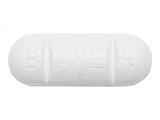
Biltricide (praziquantel) is a broad-spectrum anthelmintic agent indicated for the treatment of infections caused by various species of parasitic flatworms, including schistosomiasis (all species of Schistosoma), clonorchiasis (Clonorchis sinensis), opisthorchiasis (Opisthorchis viverrini), paragonimiasis (Paragonimus westermani), and intestinal tapeworm infections caused by Taenia saginata, Taenia solium, Diphyllobothrium latum, and Hymenolepis nana. It belongs to the pyrazinoisoquinoline class of anthelmintics and works primarily by causing a rapid and sustained influx of calcium ions across the parasite's tegumental membrane, leading to instantaneous, irreversible contraction and spastic paralysis of the worm's musculature. In addition, praziquantel disrupts the integrity of the parasite's outer tegument, exposing previously concealed surface antigens to the host immune system, which then facilitates immune-mediated destruction and elimination of the damaged parasites. This dual mechanism of action—muscular paralysis and tegumental disruption—makes praziquantel highly effective against a wide range of trematodes and cestodes.
Usual adult dose: The dosage of praziquantel is strictly dependent on the specific parasitic infection being treated and the patient's body weight. For Schistosoma haematobium, Schistosoma mansoni, and Schistosoma intercalatum infections, the recommended dose is 40 mg per kilogram of body weight administered as a single oral dose or divided into two doses given 4 to 6 hours apart on a single day. For Schistosoma japonicum and Schistosoma mekongi, a total dose of 60 mg per kilogram is recommended, divided into two or three doses over one day. For clonorchiasis and opisthorchiasis, the recommended dose is 75 mg per kilogram per day divided into three doses for 1 to 2 days. For paragonimiasis, 75 mg per kilogram per day divided into three doses for 2 to 3 days is recommended. For intestinal tapeworm infections, including Taenia saginata and Diphyllobothrium latum, a single oral dose of 5 to 10 mg per kilogram is usually sufficient. For Hymenolepis nana (dwarf tapeworm), a higher single dose of 15 to 25 mg per kilogram is recommended. For Taenia solium (pork tapeworm) intestinal infections, a single dose of 5 to 10 mg per kilogram is used; however, caution is essential to exclude concurrent neurocysticercosis before treatment. Tablets should be taken with food and swallowed whole with a full glass of water; they may be divided into segments if required for accurate weight-based dosing. The tablets have a bitter taste, so they should not be chewed, and dividing them precisely along the scored markings is essential.
Dosage form: Tablets: 600 mg (white to off-white, ovaloid, film-coated, scored into four segments). Each tablet is deeply scored with three cross marks, allowing it to be divided into four equal portions of approximately 150 mg each, facilitating precise weight-based dosing across a wide range of body weights. This quarter-scored design is particularly important in pediatric and low-body-weight patients where exact milligram-per-kilogram calculations are essential.
Onset of action: Following oral administration, praziquantel is rapidly absorbed from the gastrointestinal tract, with peak plasma concentrations achieved within 1 to 3 hours. The onset of the paralytic effect on susceptible parasites occurs within minutes of drug exposure in vitro; in vivo, tegumental damage and parasite paralysis begin within the first hour following peak plasma concentrations. In schistosomiasis, cessation of egg production and the beginning of worm elimination occur within the first 24 to 48 hours. Clinical improvement, including resolution of acute symptoms such as fever and abdominal pain, is typically observed within days to weeks, depending on the parasite burden and the chronicity of infection.
Duration of action: The elimination half-life of praziquantel is approximately 0.8 to 1.5 hours in healthy individuals; however, the half-life of its active metabolites is approximately 4 to 6 hours. Despite the short plasma half-life, the antiparasitic effect is sustained and generally curative with a single day of treatment for most indications, due to the irreversible nature of the tegumental and muscular damage inflicted on the parasites. Praziquantel is extensively metabolized in the liver via the cytochrome P450 system, and its metabolites are excreted primarily in the urine (60% to 80%) within 24 hours of dosing.
Alcohol recommendation: Alcohol consumption should be avoided during treatment with Biltricide and for at least 24 hours after the last dose. Praziquantel is extensively metabolized by hepatic cytochrome P450 enzymes, and alcohol may alter hepatic metabolism, potentially affecting the drug's pharmacokinetics and efficacy. Furthermore, alcohol can exacerbate the central nervous system side effects of praziquantel, including dizziness, drowsiness, headache, and impaired coordination. Patients should not drive or operate machinery for at least 24 hours following treatment, and the addition of alcohol significantly compounds the risk of sedation and accident. Complete abstinence from alcohol for the duration of therapy is strongly recommended.
Most common side effects: In the treatment of schistosomiasis, the most frequently reported adverse effects are abdominal discomfort or pain, nausea, vomiting, diarrhea, headache, dizziness, drowsiness, malaise, fatigue, and urticaria. These effects are generally mild to moderate, transient, and resolve spontaneously within 24 to 48 hours. Importantly, many of these symptoms—particularly abdominal pain, nausea, headache, and fever—may be attributable to the host immune response to dying and disintegrating parasites rather than to the drug itself. In patients with heavy parasitic loads, more pronounced systemic reactions may occur. When used for neurocysticercosis, praziquantel must be administered under close medical supervision with concomitant corticosteroid cover, as the inflammatory response to dying cysticerci in the brain can precipitate seizures, elevated intracranial pressure, and meningoencephalitis. Praziquantel is contraindicated in patients with ocular cysticercosis, as parasite death within the eye may cause irreversible intraocular damage. It is also contraindicated in patients with known hypersensitivity to praziquantel or any of its excipients. Concomitant administration with strong cytochrome P450 inducers such as rifampicin or certain anticonvulsants may substantially reduce praziquantel plasma levels, compromising therapeutic efficacy, while CYP450 inhibitors such as cimetidine may increase plasma concentrations. In patients with severe hepatic impairment, dose reduction or alternative therapy may be considered.
Would you like to learn more about Biltricide (Praziquantel) for the treatment of parasitic flatworm infections?
+ Next orders 10% discount

+ Next orders 10% discount
+ Next orders 10% discount
+ Next orders 10% discount
+ Package delivery insurance
+ Next orders 10% discount
Buy Biltricide (Praziquantel) without prescription at Canadian Pharmacy
At our pharmacy, you can buy Biltricide without a prescription, with discreet and anonymous packaging delivered within 5-14 days across Canada.
What is Biltricide?
Biltricide is an anthelmintic medication used to treat parasitic worm infections. The active ingredient is praziquantel, a drug that has been the cornerstone of treatment for schistosomiasis and liver fluke infections for decades. It's also effective against a wide range of other trematodes and cestodes, including tapeworms. In Canada, it's primarily used for schistosomiasis acquired during travel to endemic areas, for liver fluke infections like clonorchiasis and opisthorchiasis, and for intestinal tapeworm infections including Taenia saginata, Taenia solium, and Diphyllobothrium latum, the fish tapeworm common in northern regions.
Praziquantel works by causing a rapid influx of calcium ions into the parasite's cells. This triggers an immediate, sustained contraction of the worm's musculature, followed by paralysis. The tegument, the worm's outer covering, is simultaneously damaged, exposing antigens that the host's immune system then attacks. The worm is paralyzed, its protective surface is breached, and the immune system finishes the job. Dead worms are either expelled in the stool or broken down and absorbed.
The effect is rapid. A single dose can cure most intestinal tapeworm infections. For schistosomiasis, a single day of treatment is standard. For liver flukes, one to two days. The onset of action against the parasite occurs within hours. Resolution of symptoms, depending on the chronicity and severity of the infection, takes days to weeks.
Biltricide comes as 600 mg scored tablets. Dosing is weight-based and depends on the specific parasite being treated. The tablet is scored so it can be split into quarters of 150 mg each, allowing flexible dosing for children and adults of different weights.
Mechanism and Pharmacology
Praziquantel's primary mechanism is disruption of calcium homeostasis in the parasite's cells. It binds to voltage-gated calcium channels in the tegument and muscle cells of susceptible helminths. This causes a massive influx of calcium ions into the cells, leading to an immediate, tetanic contraction of the worm's musculature. The worm goes into spasm and can no longer maintain its position in the host's tissues. For intestinal worms, this means detachment from the gut wall. For blood flukes like Schistosoma, it means they're swept from the mesenteric veins into the liver, where they die.
Simultaneously, praziquantel damages the worm's tegument. The outer surface becomes porous, exposing subsurface antigens that are normally hidden from the host's immune system. Neutrophils, eosinophils, and antibodies now recognize and attack the parasite. The combined effect of muscular paralysis and immune-mediated destruction is lethal.
The selectivity for helminths over mammalian cells comes from differences in calcium channel structure and the composition of the tegument. Praziquantel binds with much higher affinity to parasite calcium channels than to human ones. The tegument of trematodes and cestodes is uniquely susceptible to the drug's effects.
Praziquantel is rapidly absorbed after oral administration, with peak plasma concentrations reached in 1 to 3 hours. Bioavailability is about 80 percent. It's extensively metabolized in the liver by CYP3A4 and CYP2B6 to inactive metabolites. The half-life of the parent drug is short, about 1 to 1.5 hours. The metabolites have longer half-lives and are excreted primarily in urine, about 60 to 80 percent within 24 hours. Despite the short half-life, the effect on the parasite is swift and irreversible.
Food increases absorption. Taking praziquantel with a meal, especially one containing fat, increases bioavailability by up to 2 to 3 times. This is why it's recommended to take it with food, not on an empty stomach. The higher drug levels improve efficacy.
How to Use Biltricide
Dosing depends on the infection being treated. All doses are weight-based.
Schistosomiasis: 40 mg per kg given as a single dose, or divided into two doses given 4 to 6 hours apart on the same day. For Schistosoma mansoni and Schistosoma haematobium, a single dose is usually sufficient. For Schistosoma japonicum, 60 mg per kg divided into two or three doses over one day is standard.
Liver flukes (Clonorchis sinensis, Opisthorchis viverrini): 25 mg per kg three times daily for 1 to 2 days. This is a higher total dose than for schistosomiasis, reflecting the greater difficulty in eradicating biliary tract infections.
Intestinal tapeworms (Taenia saginata, Taenia solium, Diphyllobothrium latum): 5 to 10 mg per kg as a single dose. This is a very low dose compared to other indications, and cure rates exceed 95 percent. For Taenia solium, where there's a risk of neurocysticercosis if the larval form is present in the brain, treatment should be administered under medical supervision because killing the worm can trigger an inflammatory response in the central nervous system.
Hymenolepis nana (dwarf tapeworm): 25 mg per kg as a single dose. This infection is more difficult to eradicate than other tapeworms, and sometimes a repeat dose is needed.
Take the tablets with food and a full glass of water. The tablets are scored and can be split into quarters. Don't chew them. They have a bitter taste that can trigger gagging. Swallow the pieces whole if possible, or hide them in a spoonful of soft food.
The bitter taste can be a problem, especially for children. If the tablet is crushed or chewed, the bitterness is intense and can cause vomiting. If vomiting occurs within 1 to 2 hours of dosing, the drug may not have been fully absorbed, and a repeat dose may be needed. Discuss with your doctor if this happens.
If you miss a dose and you're on a multi-dose regimen for liver flukes, take it as soon as you remember and continue with the schedule. If it's nearly time for the next dose, skip the missed one. For single-dose regimens, missing the dose means the infection is untreated, and a new treatment day should be scheduled.
Side Effects of Biltricide
Side effects are common but usually mild and transient. They fall into two categories: direct drug effects and reactions to dying parasites.
Direct drug effects include nausea, abdominal pain, headache, dizziness, and fatigue. These occur in 10 to 30 percent of patients and are usually mild. Taking the drug with food reduces the GI symptoms. The dizziness and fatigue typically resolve within 24 hours.
The Mazzotti-like reaction is a systemic inflammatory response to the sudden death of large numbers of parasites. As the worms disintegrate, they release antigens that trigger an immune response. Fever, chills, myalgia, arthralgia, and exacerbation of pre-existing symptoms can occur, particularly in patients with high parasite burdens. This is not an allergic reaction to the drug. It's the host's immune system reacting to the sudden exposure to parasite proteins. For schistosomiasis, this reaction peaks about 6 to 8 hours after dosing and subsides over 24 to 48 hours. Antipyretics and analgesics help.
Drowsiness and dizziness are significant enough in some patients that driving should be avoided on the day of treatment. The effects are amplified by alcohol.
Cardiac arrhythmias have been reported rarely, particularly in patients with high parasite burdens or pre-existing cardiac conditions. The calcium influx caused by praziquantel in parasite cells can, at high concentrations, affect mammalian cardiac calcium channels. In patients with irregular heart rhythms, caution is warranted.
Seizures have been reported rarely, primarily in patients with neurocysticercosis where the dying cysticerci trigger cerebral inflammation. This is not a direct drug effect but a consequence of treating the infection.
High-Risk Groups (Elderly, Pregnancy)
Pregnancy. Praziquantel is FDA pregnancy category B. Animal studies have not shown teratogenicity. Human data from decades of use in mass drug administration programs, where pregnant women are often inadvertently treated, have not shown an increased risk of congenital malformations. The WHO recommends that pregnant women with schistosomiasis be treated, because the risks of untreated chronic infection, anemia, malnutrition, and placental involvement, outweigh the theoretical risks of the drug. In a Canadian context, for a traveler returning with schistosomiasis or a tapeworm infection, treatment during pregnancy should be discussed with an obstetrician and an infectious disease specialist. If the infection can safely wait until after delivery, deferral is reasonable. If not, treatment is generally considered safe.
Breastfeeding. Praziquantel is excreted into breast milk in small amounts. The concentration is low, and the amount an infant ingests is minimal. The WHO considers it compatible with breastfeeding. To minimize exposure, taking the dose immediately after a feeding and waiting 4 hours before the next feeding reduces the infant dose further.
Elderly patients. No dose adjustment is needed. The same precautions regarding dizziness and driving apply. Older adults may be more sensitive to the CNS effects.
Children under 4. Safety and efficacy have been established in children as young as 1 year in mass treatment programs. Dosing is weight-based. The tablets can be split or crushed, though the bitter taste requires creative administration, mixing with soft food or flavored syrup.
Hepatic impairment. Praziquantel is metabolized in the liver. In patients with significant hepatic impairment, drug levels can be higher and the half-life prolonged. No specific dose adjustment is given in the labeling, but caution and possibly reduced dosing in severe impairment is standard.
Renal impairment. The drug and its metabolites are excreted renally. In patients with significant renal impairment, clearance may be reduced. No specific dose adjustment exists, but caution is warranted.
Neurocysticercosis. Praziquantel kills cysticerci in the brain, but the resulting inflammation can cause seizures, hydrocephalus, and neurological deterioration. Treatment of neurocysticercosis should be done in a hospital setting with concurrent corticosteroid cover to suppress the inflammatory response. This is a specialist-managed condition.
Ocular cysticercosis. If Taenia solium larvae are present in the eye, killing them with praziquantel can cause irreversible ocular inflammation and vision loss. Ocular involvement should be ruled out before treating T. solium infection.
Interaction With Activities (Driving, Alcohol)
Praziquantel causes dizziness and drowsiness in a significant proportion of patients. Driving is not recommended on the day of treatment. The effects peak 1 to 3 hours after dosing and may persist for 24 hours. If you feel at all sedated or unsteady, don't drive. The drug's CNS effects can be subtle enough that you don't realize you're impaired.
Alcohol should be avoided on the day of treatment. It amplifies the dizziness and sedation. There's also a theoretical concern that alcohol increases the absorption of praziquantel by increasing splanchnic blood flow, though the clinical significance is unclear. Avoid alcohol until the drug's effects have worn off, typically 24 hours.
Drug Interactions
Praziquantel is metabolized by CYP3A4 and CYP2B6. Drugs that alter these enzymes affect praziquantel levels.
CYP3A4 inducers (rifampin, phenytoin, carbamazepine, phenobarbital) can reduce praziquantel levels by 50 percent or more, potentially leading to treatment failure. If you're on one of these drugs, your doctor may need to increase the praziquantel dose or use an alternative antiparasitic. Rifampin is a particularly potent inducer and can render standard praziquantel doses ineffective.
CYP3A4 inhibitors (ketoconazole, itraconazole, ritonavir, clarithromycin, grapefruit juice) increase praziquantel levels. This is not necessarily harmful for a single-dose treatment, but it increases the intensity of side effects. Grapefruit juice increases praziquantel bioavailability by about 2-fold. This interaction has actually been studied as a way to improve efficacy at lower doses in mass treatment programs. In a clinical context, it's simpler to just take the standard dose with a regular meal.
Dexamethasone, a corticosteroid sometimes used to manage the inflammatory response to dying parasites in neurocysticercosis, reduces praziquantel levels by about 50 percent through CYP3A4 induction. If both drugs are used together, the praziquantel dose may need to be increased.
Chloroquine, an antimalarial, may reduce praziquantel bioavailability. The mechanism is not fully understood. The combination is sometimes used in areas where both malaria and schistosomiasis are endemic. If possible, stagger the doses.
Alternative Options
Praziquantel is the drug of choice for most trematode and cestode infections. Alternatives are limited but exist for specific indications.
Niclosamide is an alternative for intestinal tapeworm infections. It's not absorbed systemically and works by uncoupling oxidative phosphorylation in the worm's mitochondria. It's effective but not available in Canada except through the Special Access Programme. Praziquantel is preferred because it's more readily available and also covers a broader range of parasites.
Albendazole is an alternative for some tapeworm infections and is the drug of choice for neurocysticercosis in some protocols, often in combination with praziquantel. It's also used for many nematode infections. For schistosomiasis, albendazole is not effective. The spectrum of activity is different.
Oxamniquine is an older drug for Schistosoma mansoni. It's effective but only against that one species, and resistance has emerged in some areas. Praziquantel is superior in spectrum and safety.
Artemether and artesunate, primarily antimalarials, have some activity against immature schistosomes and are being studied as adjuncts to praziquantel for prophylaxis and early treatment. They're not replacements for established infection.
Triclabendazole is the drug of choice for fascioliasis, liver fluke infection caused by Fasciola hepatica. Praziquantel is not effective against Fasciola. Triclabendazole is available through the Special Access Programme in Canada.
INN, Brand Names, and Classification in Canada
INN (International Nonproprietary Name): Praziquantel
Available brand names in Canada: Biltricide, and generic praziquantel
ATC code: P02BA01
Forms and strengths: Scored tablets 600 mg (can be divided into quarters of 150 mg each)
Manufacturers: Bayer Inc. (Biltricide), and diverse generic manufacturers internationally
Registration status in Canada: Registered
Classification: Prescription (Rx)
Using Biltricide Effectively
Biltricide is a single-day treatment for most infections. The dosing is weight-based, so an accurate current weight matters. The tablets are bitter. Don't chew them. Split them along the score lines if needed, and swallow the pieces whole. Taking them with food, especially a meal that contains some fat, improves absorption and efficacy. A spoonful of yogurt, applesauce, or pudding can help mask the bitterness if you need to break the tablet.
After treatment, dead worms are passed in the stool over the following days. For intestinal tapeworms, the scolex, the head of the worm, must be killed and detached for the infection to be cured. If the scolex survives, the worm can regenerate. Follow-up stool examination 1 to 3 months after treatment confirms clearance. For schistosomiasis, follow-up serology or stool/urine examination for ova is done at 1 to 2 months. A single treatment cures 70 to 90 percent of cases depending on the species. If ova persist, a second treatment is given.
In endemic areas, reinfection is common because the parasite's life cycle involves freshwater snails and contaminated water. In Canada, infections are usually acquired during travel. Preventing reinfection means avoiding exposure to freshwater in endemic areas. Swimming in Lake Malawi, rafting in the Nile, wading in rice paddies in Southeast Asia: these are the exposures that lead to infection. No medication prevents schistosomiasis. Praziquantel treats it after the fact.
Biltricide is legally classified as prescription-only in Canada. However, through our pharmacy, you can purchase Biltricide without a prescription and receive it in discreet packaging anywhere across the country.
Frequently Asked Questions
How fast does Biltricide work?
The drug damages the parasite's outer surface and causes muscular paralysis within hours of taking it. The worms die quickly. Dead worms are expelled in the stool over the following days. Symptom relief depends on the infection. Acute symptoms like abdominal pain and diarrhea may improve within days. Chronic symptoms from tissue damage take longer.
Why does Biltricide taste so bad?
Praziquantel is an intensely bitter compound. The tablet coating masks this to some degree, but if the tablet is broken or chewed, the bitterness is unavoidable. Swallow the pieces whole. Don't chew. Hide split pieces in a spoonful of food if necessary.
Can I drink alcohol while taking Biltricide?
Avoid alcohol on the day of treatment and for 24 hours afterward. Alcohol worsens the dizziness and drowsiness the drug causes. There's no dangerous pharmacokinetic interaction, but the additive CNS depression can be significant.
Is one dose enough for a tapeworm?
For most intestinal tapeworms, a single dose of 5 to 10 mg per kg cures more than 95 percent of infections. A follow-up stool examination 1 to 3 months later confirms that the scolex has been eliminated. If segments reappear, a second dose is given.
Can Biltricide be used during pregnancy?
Praziquantel is considered compatible with pregnancy when treatment is necessary. The WHO recommends treating pregnant women with schistosomiasis because the risks of untreated infection outweigh the theoretical risks of the drug. In Canada, the decision should be made with an obstetrician and infectious disease specialist.
What parasites does Biltricide treat?
All species of Schistosoma, most liver flukes (Clonorchis, Opisthorchis, Paragonimus), and intestinal tapeworms (Taenia, Diphyllobothrium, Hymenolepis). It's not effective against nematodes (roundworms, hookworms, pinworms) or the liver fluke Fasciola hepatica. Those require different medications.
Delivery Information Across Canada
We ship Biltricide and generic praziquantel to all provinces and territories. Delivery times vary depending on how remote your location is:
- Ontario (Toronto, Ottawa, Mississauga): 5 to 7 days
- Quebec (Montreal, Quebec City, Laval): 5 to 7 days
- British Columbia (Vancouver, Victoria, Burnaby): 5 to 9 days
- Alberta (Calgary, Edmonton, Red Deer): 5 to 9 days
- Manitoba (Winnipeg, Brandon): 5 to 9 days
- Saskatchewan (Saskatoon, Regina): 5 to 9 days
- Nova Scotia (Halifax, Sydney): 5 to 9 days
- New Brunswick (Moncton, Fredericton): 5 to 9 days
- Newfoundland and Labrador (St. John's, Corner Brook): 7 to 14 days
- Prince Edward Island (Charlottetown): 7 to 14 days
- Yukon, Northwest Territories, Nunavut: 7 to 14 days
All shipments are packed discreetly with no branding or indication of contents on the outside.
How to buy Biltricide (Praziquantel) no prescription from Canadian Pharmacy.
| Shipping method | Delivery time | Price | |
 Delivery Delivery |
14-21 days | 14.95$ | Tracking# available in 4 days |
 Delivery Delivery |
9-14 days | 30$ | Tracking# available in 2 days |


- Shipping worldwide
- Confidentiality and anonymity guarantee
- Safe and secure
- Discrete looking packages
- Dispatch orders within 24 hours
- 100% success delivery


